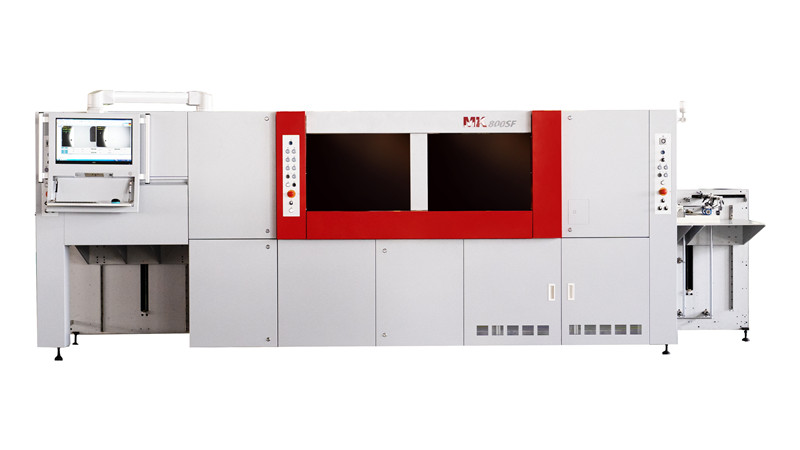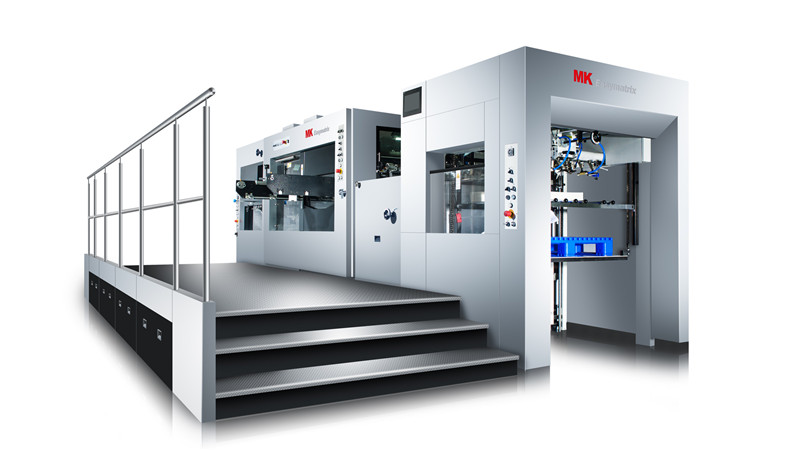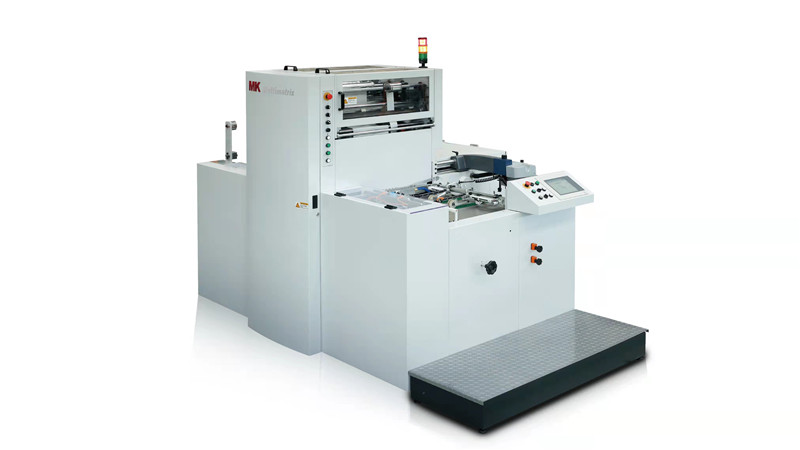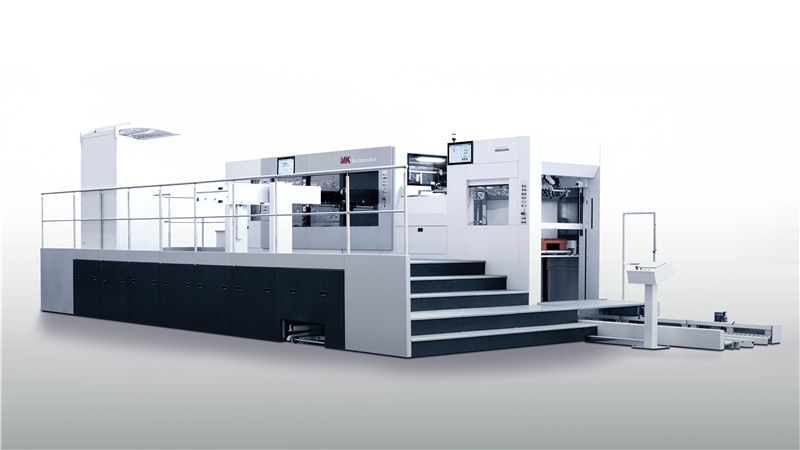
In the post-press processes of folding carton and corrugated packaging, die-cutting often determines forming accuracy, visual consistency, and delivery lead time. Traditional die-cutting methods with a high degree of semi-automation or manual involvement commonly face bottlenecks such as discontinuous sheet feeding and delivery, registration that relies heavily on operator experience, long job changeover preparation times, stripping and blanking that require secondary processing, and frequent downtime for maintenance.
The core value of an automatic die cutting machine lies not merely in higher speed, but in transforming these unstable, experience-driven variables into controlled, repeatable, and data-driven production processes, enabling packaging lines to achieve true industrial consistency.
Transforming die-cutting, creasing, and stripping into a repeatable production takt.
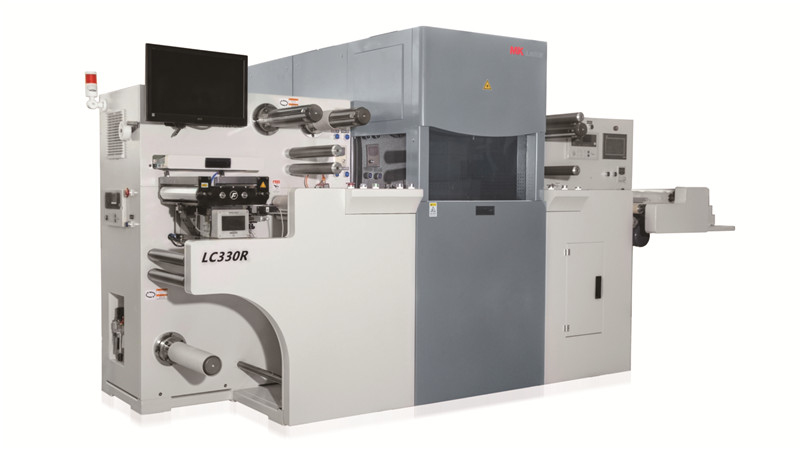
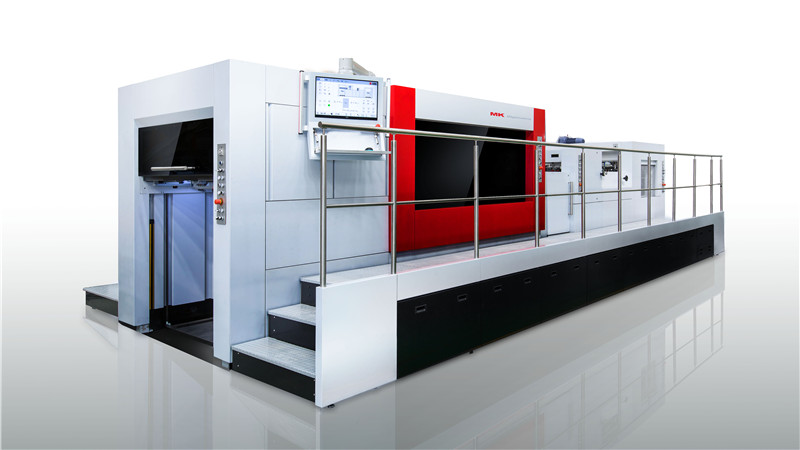
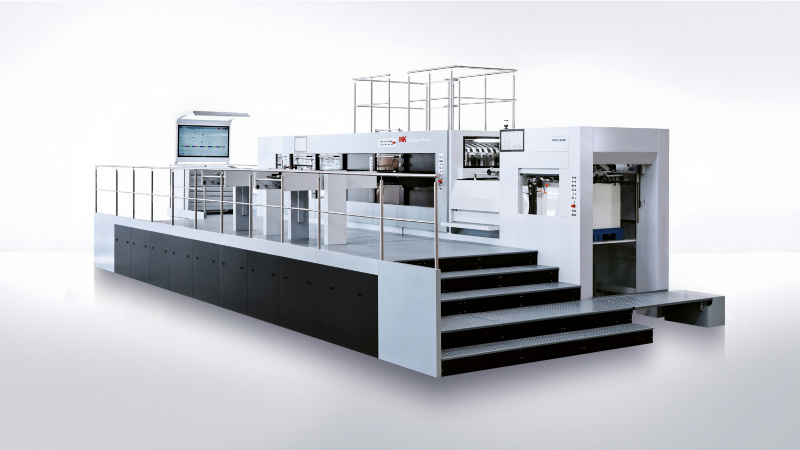
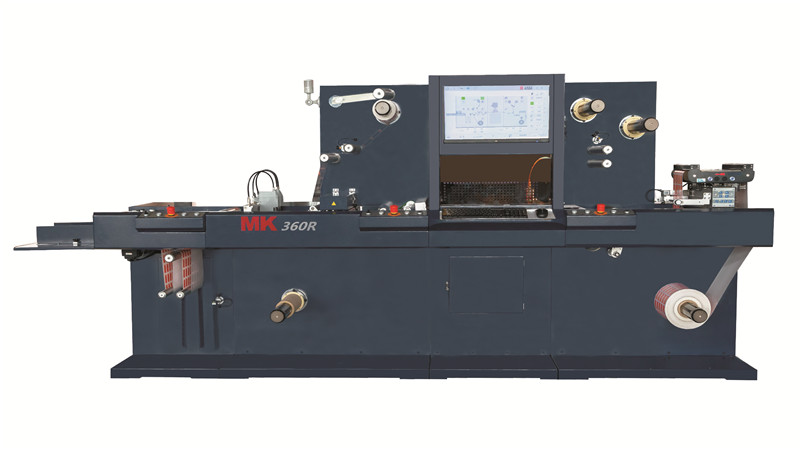
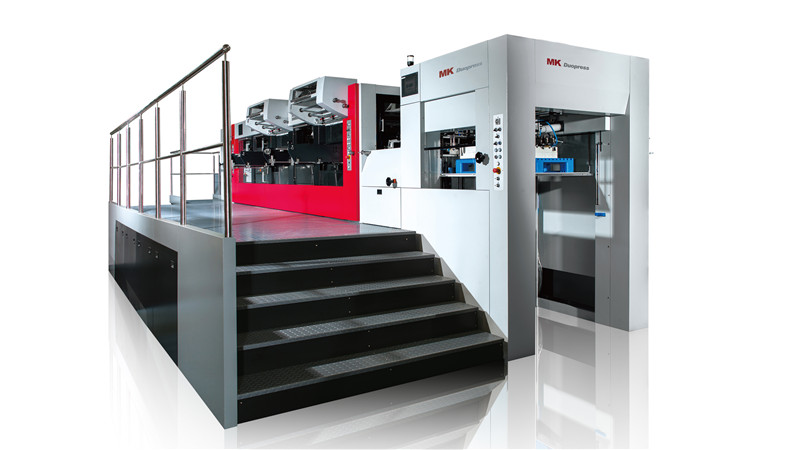
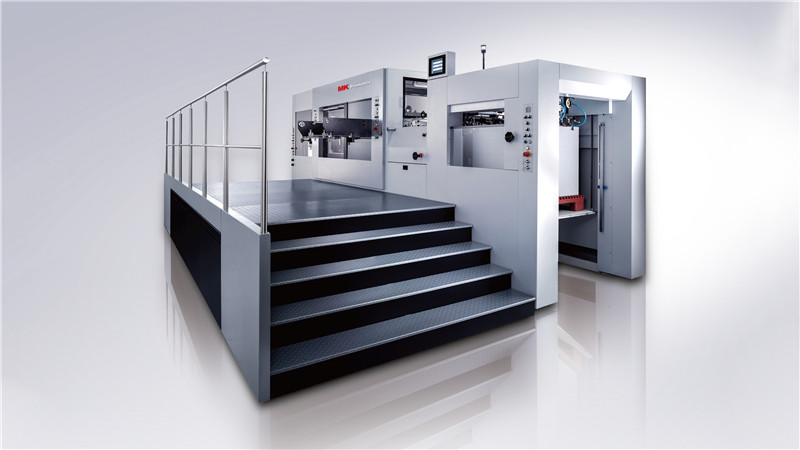
Automatic die-cutting machines are typically based on the flatbed (platen) die-cutting configuration, which has become the mainstream solution. This design is particularly well suited for high-precision cutting and creasing of thicker materials such as paperboard, carton board, and corrugated board. As a result, it is widely used in applications including folding cartons for food, cosmetics, pharmaceuticals, and tobacco packaging, as well as corrugated boxes and point-of-display (POP) stands.
The essence of automation is not simply “running faster,” but rather transforming the following stages into a closed-loop control system:
Continuous feeding and registration: stable sheet feeding, front-lay and side-lay registration, and suppression of sheet warp and slippage
Pressure and motion control: die-cutting pressure, motion profiles, speed, and acceleration/deceleration strategies
In-line stripping and blanking: direct separation and discharge of waste edges and waste holes within the machine
Fast job changeover and parameter reuse: reduced time for die change, registration, test cutting, and first-article approval
Condition monitoring and maintenance: sensor-based monitoring, automatic lubrication, alarms, and maintenance management
Six key strategies for increasing the production capacity of automatic die-cutting machines.
Packaging orders typically combine multiple batches, small volumes, and frequent changeovers. By adopting more stable feeding mechanisms and pile management systems, automatic die-cutting machines reduce downtime and rework caused by sheet skewing, double-sheet feeding, or missed sheets. Some models also support non-stop delivery or auxiliary delivery, minimizing takt interruptions caused by “full pile stops.”
High–value-added folding cartons are highly sensitive to registration accuracy and creasing quality. The value of automated positioning, registration, and sheet transport control lies in:
Faster, more stable first-article setup: reduced time spent repeatedly adjusting front lays and side lays, and performing multiple test impressions
Higher yield: smaller registration deviations and more consistent alignment between printed graphics and die lines
Lower material waste: scrap reduction often delivers a more tangible ROI than nominal speed increases
In many real-world operations, reduced waste and shorter makeready deliver greater ROI than nominal increases in maximum machine speed.
Modern automatic die cutters integrate stripping units that remove internal and edge waste directly within the machine. For certain applications, blanking systems further separate finished cartons or corrugated blanks automatically. Completing stripping and blanking in-line immediately after die-cutting significantly reduces:
Labor hours for manual waste removal, sorting, and secondary machine passes
Risks of scuffing or crushing during handling, transfer, and stacking
Scheduling uncertainty caused by WIP (work-in-process) accumulation between processes
This is why integrated die-cutting–stripping–delivery configurations are increasingly becoming standard on high-efficiency packaging lines.
In high-mix production environments, the real capacity drain is often not “running too slowly,” but “changing over too slowly.” Automatic die cutting machines address this through:
Centerline systems: faster centering of dies and frames, reducing repeated fine adjustments
Quick lock / pneumatic locking systems: shortening mechanical operations during die and chase changes
Pre-mounting tables / chase changers: preparing the next job in parallel while the machine is running, compressing on-machine setup time to a minimum
The result is a significant increase in effective production time within the same 8-hour shift.
Automatic die-cutting machines are typically equipped with more advanced control systems and modular electrical architectures to centrally manage motion, pressure, inspection, and safety logic, while supporting parameter standardization and maintenance efficiency.
This delivers two very practical benefits:
1.Reduced dependence on highly experienced operators
2.xceptions are logged and parameters are traceable, making continuous improvement and post-analysis easier
Features such as automatic lubrication systems, sheet detection sensors, and fault diagnostics are designed to reduce unplanned downtime and prevent mechanical wear.
By shifting maintenance from reactive to preventive, automatic die cutting machines achieve higher uptime, consistency, and long-term reliability.
When evaluating or introducing an automatic die-cutting machine, it is advisable to quantify efficiency across three distinct layers:
Takt layer: maximum speed (sheets/hour) versus stable speed (the long-term sustainable average output)
Time layer: makeready time, frequency of downtime, and mean time to repair (MTTR)
Quality layer: first-article pass rate, overall yield, stripping completeness, creasing consistency, and compatibility with downstream folding and gluing operations
In many projects, the ultimate ROI does not come from “a 10% increase in maximum speed,” but rather from the cumulative effect of shorter changeovers, reduced scrap, lower labor input, and higher overall equipment uptime.
Standardization of die boards and stripping boards: knife layout, rubber ejectors, stripping pins, and registration specifications must be unified; otherwise, even the most automated equipment will be constrained by variability in tooling.
Treat changeover as an engineering optimization problem: break down and record the time spent on each changeover step (chase change, centering, test cutting, first-article approval), and use data to iteratively refine standard operating procedures (SOPs).
Upstream and downstream process alignment: printing registration stability and the flatness of varnishing or lamination have a significant impact on die-cutting efficiency; downstream folder-gluer takt times must also be matched accordingly.
Proactive maintenance systems: institutionalize critical lubrication points, wear-part life cycles, and alarm strategies to prevent overall equipment uptime from being eroded by random failures.
Products
Contact us
Related Information
Content

We look forward to hearing from you. In order to respond to your message more quickly, we need some information. *These are required