The Die Cutting Machine Price is one of the most critical decision factors for manufacturers, packaging companies, and printing businesses investing in post-press equipment. However, understanding the real Die Cutting Machine Price requires more than comparing quotations. Machine type, automation level, production capacity, brand reliability, and long-term operating cost all directly influence the final price and overall return on investment.
In the current global die-cutting machine market, equipment prices vary significantly, primarily influenced by the level of automation, production capacity, and machine type. Entry-level benchtop or small die-cutting machines are typically priced around $1,000–$4,000 (approximately RMB 7,000–28,000) in the factory purchasing market, suitable for small-batch or lightweight material processing. Mid-range semi-automatic and industrial flatbed machines are generally priced between $8,000–$25,000 (approximately RMB 56,000–175,000), widely used in packaging, carton, and medium-volume production. High-end fully automatic, rotary, or large-scale continuous production systems are commonly priced at $50,000 or even over $100,000 (approximately RMB 350,000+), especially in manufacturing scenarios requiring high speed, large format, or high automation. Furthermore, regional manufacturing and brand positioning also affect the final price; in the Asian market, due to lower production costs, equipment with the same configuration is often priced lower than similar products from Europe and America.
This guide provides a comprehensive, up-to-date analysis of Die Cutting Machine Price, covering market trends, price ranges, cost drivers, and professional evaluation methods—helping buyers make informed, strategic purchasing decisions.
A die cutting machine is an industrial system used to cut, crease, emboss, and strip materials such as paperboard, corrugated board, cartons, labels, and specialty packaging substrates. In modern production environments, the Die Cutting Machine Price directly affects productivity, labor efficiency, quality consistency, and operational scalability.
Rather than viewing the Die Cutting Machine Price as a one-time expense, experienced buyers evaluate it as a long-term manufacturing investment that impacts unit cost, throughput stability, and production flexibility.
The global die cutting equipment market has entered a phase of structural price differentiation. Instead of a single average Die Cutting Machine Price, the market now reflects multiple pricing tiers driven by automation, format size, and application complexity.
Asia (especially China) offers the broadest Die Cutting Machine Price range, from entry-level machines to high-end automated systems.
Europe and North America focus on premium industrial solutions, where Die Cutting Machine Price is higher but emphasizes durability, compliance, and precision.
Emerging markets increasingly demand mid-range Die Cutting Machine Price solutions that balance cost and automation.
This global distribution results in significant variation in Die Cutting Machine Price even for machines with similar specifications.
Automation has become the primary force reshaping Die Cutting Machine Price. Features such as automatic feeding, servo-driven motion control, intelligent pressure adjustment, and automated stripping increase the Die Cutting Machine Price but significantly reduce labor dependency and production downtime.
As a result, buyers increasingly evaluate Die Cutting Machine Price per output unit, rather than machine price alone.
Growing demand for complex packaging structures, large-format corrugated boxes, and short delivery cycles has pushed the market toward higher-capacity equipment. This shift explains why industrial and automatic Die Cutting Machine Price segments continue to grow faster than entry-level machines.
Understanding what drives Die Cutting Machine Price helps buyers avoid under- or over-investment.
Manual and semi-automatic machines have the lowest Die Cutting Machine Price.
Flatbed die cutting machines dominate industrial applications and represent a wide Die Cutting Machine Price range.
Large-format and heavy-duty machines naturally command higher Die Cutting Machine Price due to reinforced structures and higher cutting force.
Advanced PLC systems, servo motors, and digital interfaces directly affect Die Cutting Machine Price. However, these features also deliver higher consistency, faster setup times, and lower operator dependency.
Well-established manufacturers with proven engineering expertise typically offer a higher Die Cutting Machine Price, reflecting better component quality, tighter tolerances, and stronger long-term reliability.
Add-ons such as automatic stripping, quick-lock die systems, intelligent waste removal, and inline logistics modules raise the Die Cutting Machine Price but often pay for themselves through productivity gains.
Designed for sampling, small batches, or startup operations, these machines offer the lowest Die Cutting Machine Price but limited speed and automation.
This category represents the most competitive Die Cutting Machine Price segment, balancing automation, reliability, and investment cost. It is widely used in commercial packaging operations.
High-speed, automated systems dominate this tier. Although the Die Cutting Machine Price is higher, these machines deliver superior throughput and reduced operating cost per unit.
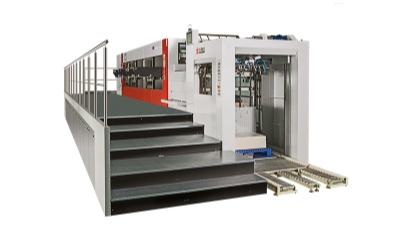
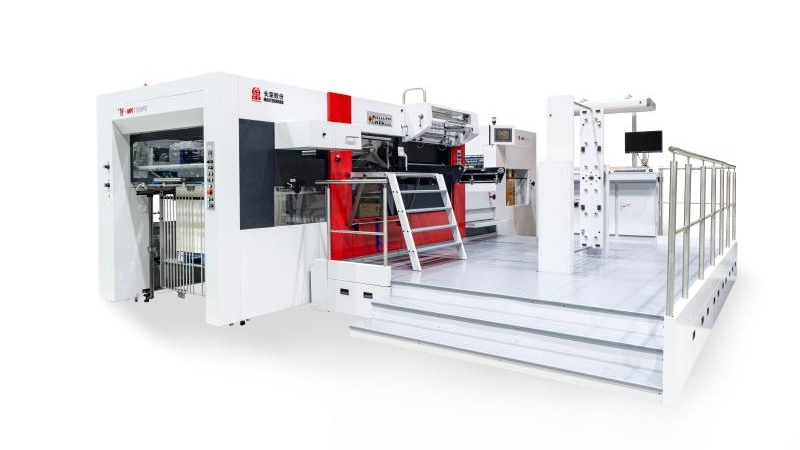
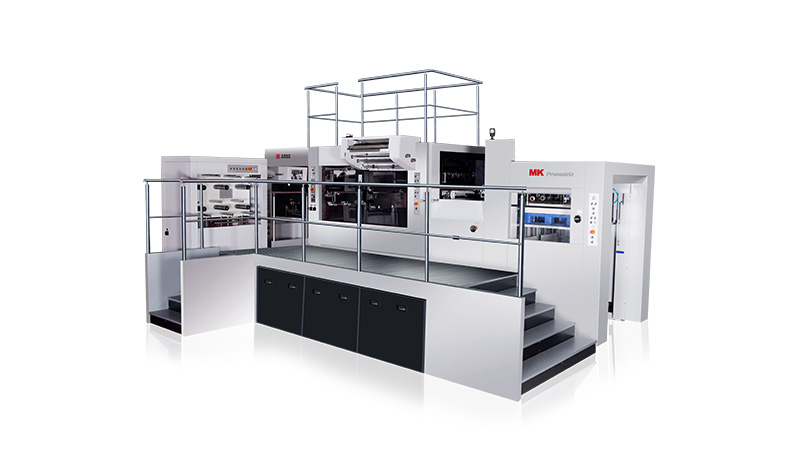
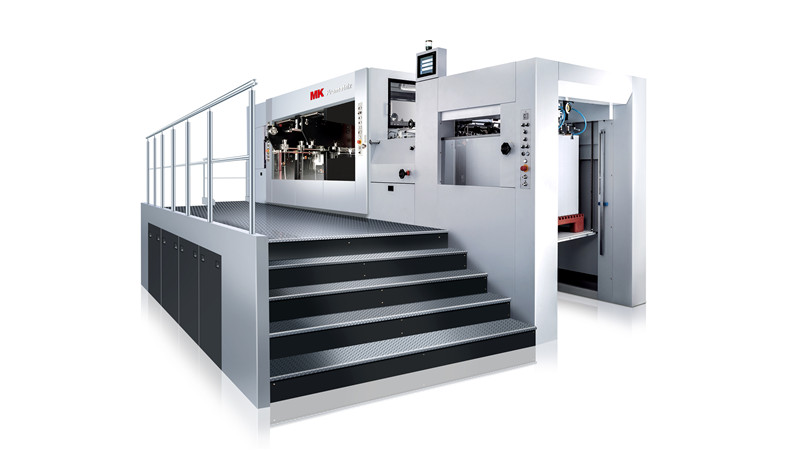
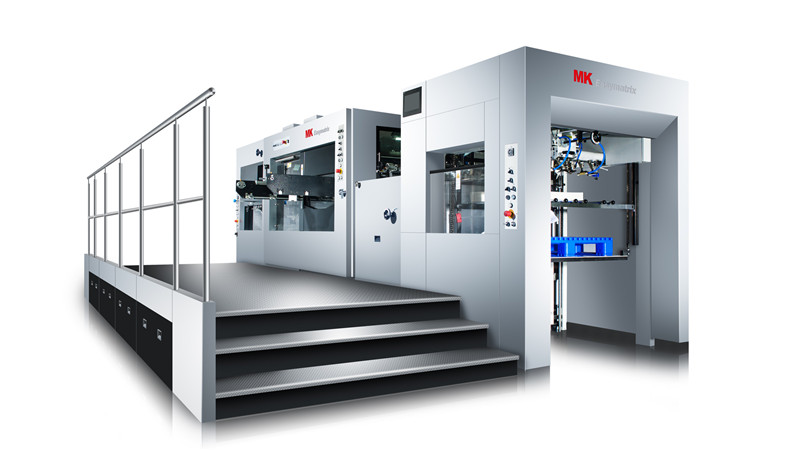
The Duopress Power 106CSB is a high-productivity flatbed die cutting machine designed for paperboard and carton applications. Its advanced automation, fast job changeover, and stable output place it in the mid-to-high Die Cutting Machine Price range.
While the Die Cutting Machine Price reflects its industrial-grade configuration, the machine delivers strong value through high efficiency, reduced downtime, and long-term operational stability—making it suitable for professional packaging manufacturers.
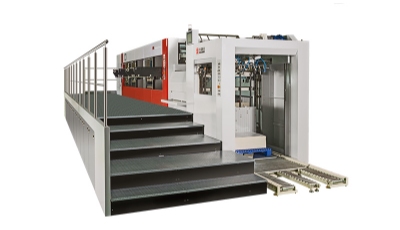
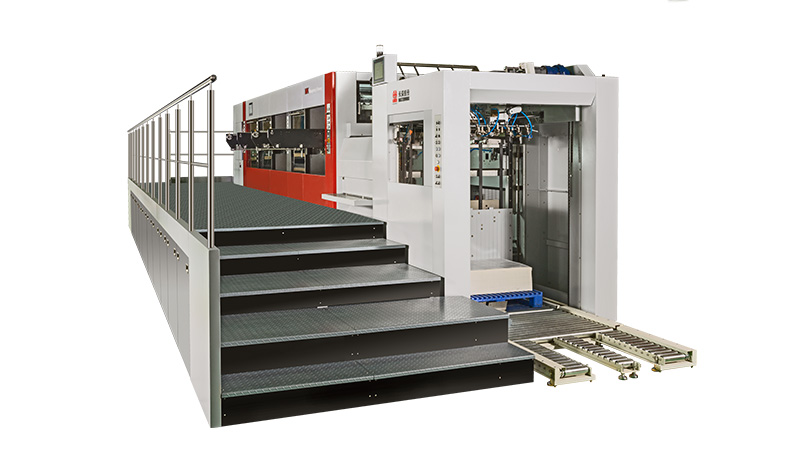
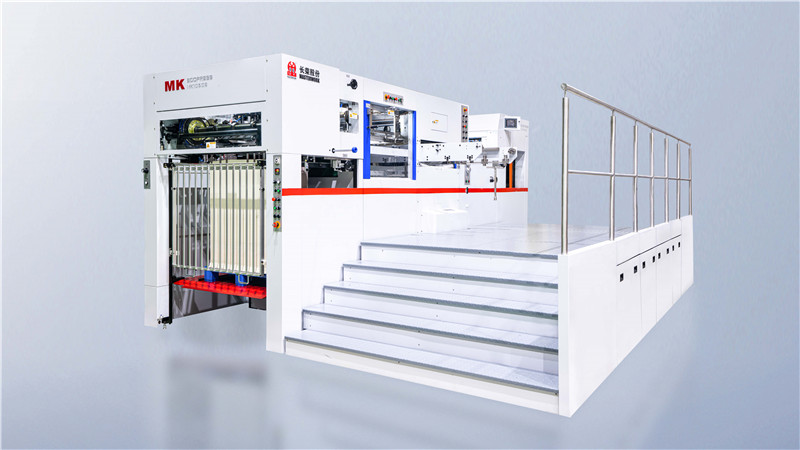
The MK Ecocut 170CS targets large-format corrugated board production. With its reinforced structure and oversized sheet handling capability, its Die Cutting Machine Price is positioned above standard flatbed models.
For manufacturers handling large cartons and heavy materials, the higher Die Cutting Machine Price translates into production flexibility, accuracy, and consistent performance under demanding workloads.
A professional evaluation of Die Cutting Machine Price includes maintenance cost, spare parts, energy consumption, and expected service life. Lower upfront Die Cutting Machine Price does not always mean lower long-term cost.
Machines with a higher Die Cutting Machine Price often achieve lower per-unit processing cost through faster speeds, reduced waste, and higher uptime.
Selecting the correct Die Cutting Machine Price tier ensures scalability without unnecessary capital burden. Overspecification and underspecification both reduce investment efficiency.
Reliable technical support and upgrade paths enhance the practical value of the Die Cutting Machine Price over the machine’s entire lifecycle.
To make the right purchasing decision:
Define material types, sheet size, and production volume
Set a realistic Die Cutting Machine Price budget
Compare automation level, not just machine cost
Evaluate manufacturer reputation and service capability
Request sample testing and production validation
A disciplined approach ensures the selected Die Cutting Machine Price aligns with both short-term operations and long-term growth.
The Die Cutting Machine Price is not merely a purchase number—it is a strategic indicator of productivity, reliability, and competitiveness. Businesses that understand how Die Cutting Machine Price connects to automation, efficiency, and lifecycle value consistently achieve stronger manufacturing performance.
By evaluating Die Cutting Machine Price through a professional, data-driven lens—and by selecting machines aligned with real production needs—manufacturers can secure sustainable cost advantages in an increasingly competitive global market.
Products
Contact us
Related Information
Content

We look forward to hearing from you. In order to respond to your message more quickly, we need some information. *These are required