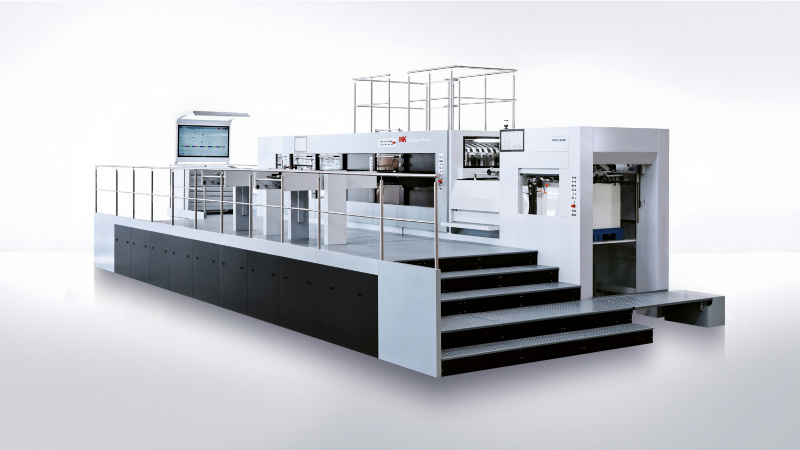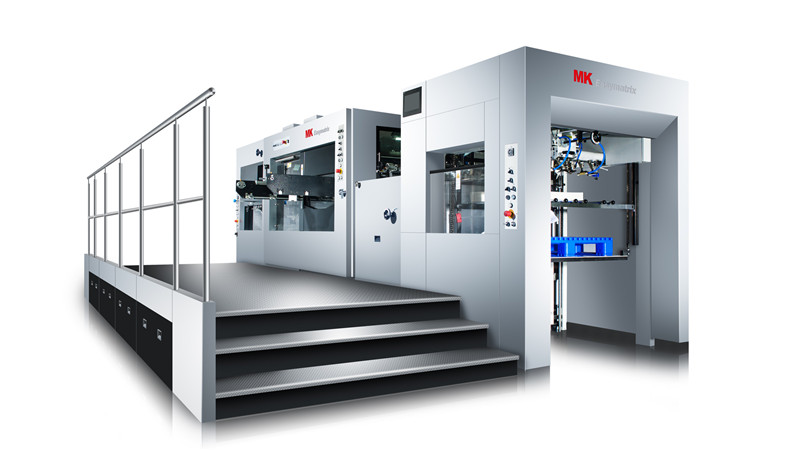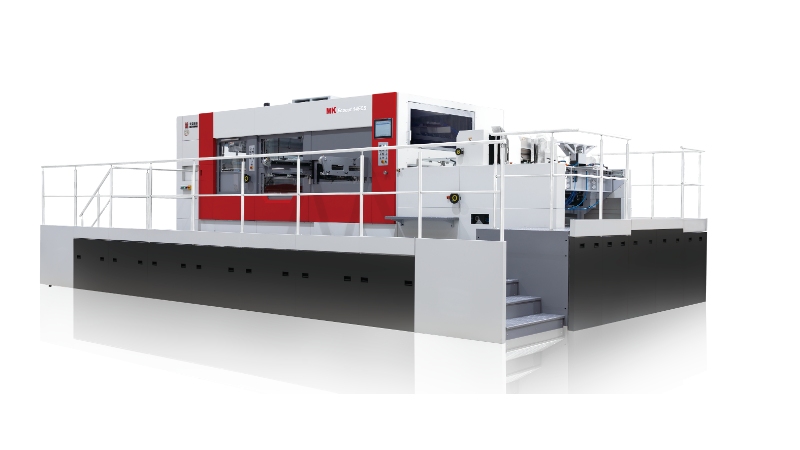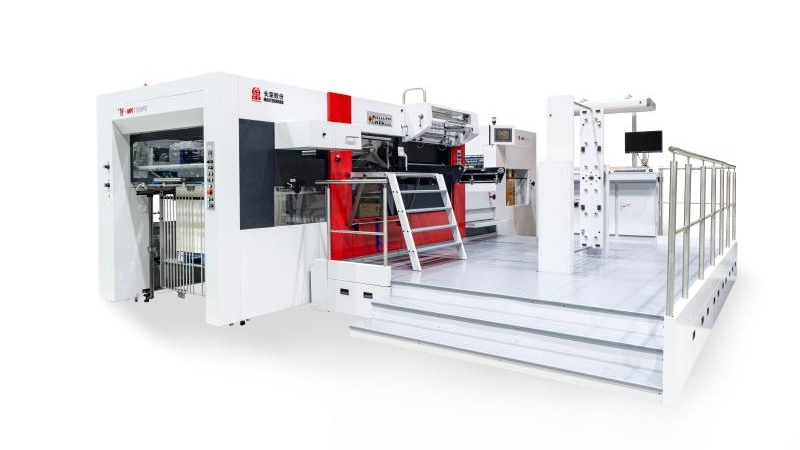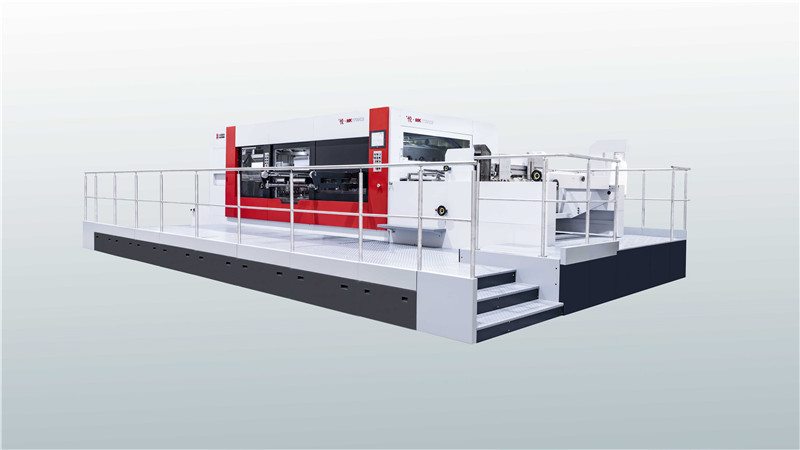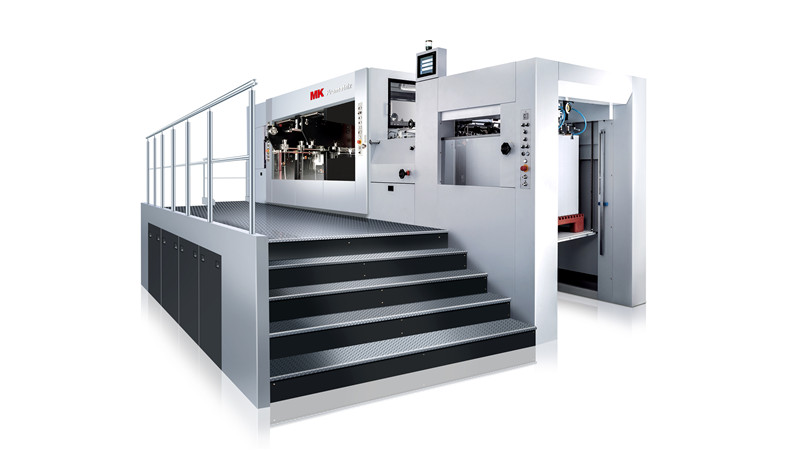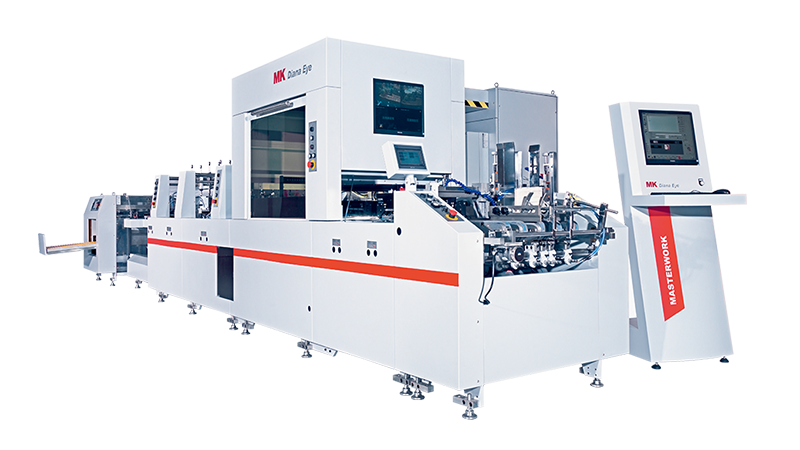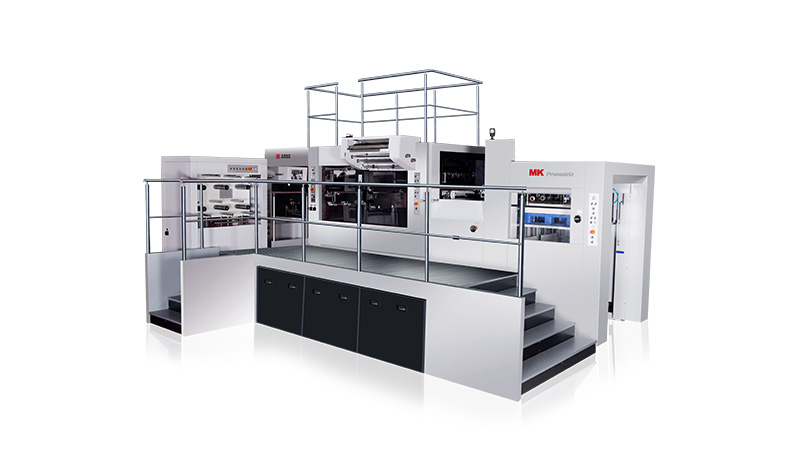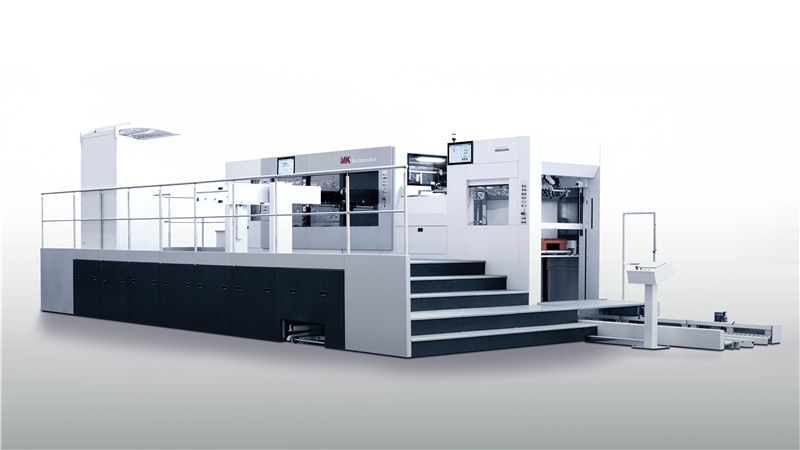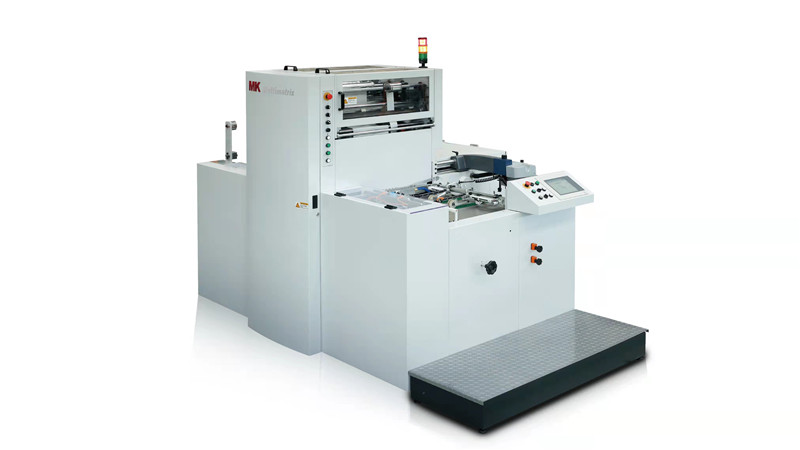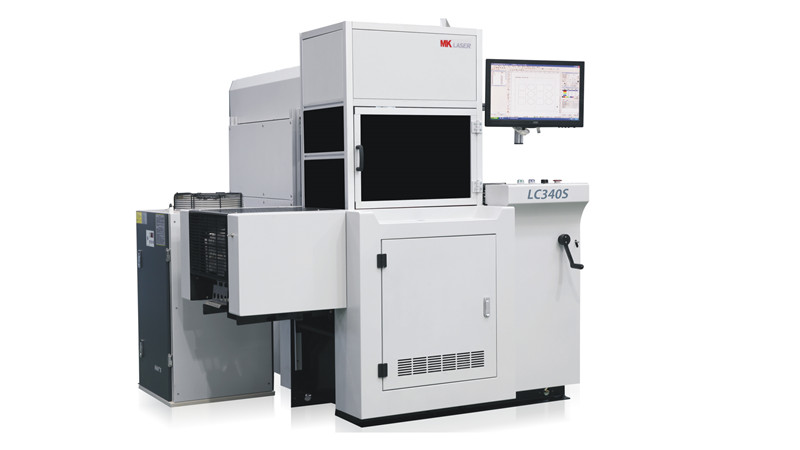
Die cutting machines are fundamental industrial systems used to convert flat materials into precisely shaped components through cutting, creasing, perforating, or embossing. They play a critical role in packaging, printing, automotive, electronics, medical devices, labels, and industrial materials processing.
This paper provides a comprehensive overview of die cutting machines, including formal definitions, classification by working principle, detailed analysis of key mechanical and control components, and an overview of commonly recognized industry standards and performance benchmarks. The goal is to establish a unified technical understanding for manufacturers, engineers, procurement teams, and decision-makers.
A die cutting machine is a mechanical or electromechanical system designed to apply controlled force through a tooling assembly (die) to cut, crease, score, perforate, or emboss a substrate into a predefined geometry.
At its core, the die cutting process involves three essential elements:
The die – a tooling assembly containing cutting rules, creasing rules, or forming elements
The substrate – material such as paperboard, corrugated board, plastic film, foam, rubber, metal foil, or composite laminates
The press mechanism – a system that generates and transfers force with defined motion, pressure, and repeatability
Unlike generic cutting processes, die cutting emphasizes repeatability, dimensional accuracy, edge quality, and production scalability.
Die cutting machines are classified based on their press mechanism, motion principle, and application domain.
Operate by pressing a flat die against a flat cutting surface
Excellent for thick materials and high-precision creasing
Dominant in folding carton and corrugated packaging
Use cylindrical dies rotating against an anvil cylinder
Suitable for continuous production and flexible materials
Common in corrugated box converting and label production
Manual die cutting machines – operator-fed, low-volume use
Semi-automatic die cutting machines – partial automation of feeding or delivery
Automatic die cutting machines – automated feeding, registration, cutting, stripping, and delivery
Packaging (folding cartons, corrugated boxes, displays)
Labels and flexible packaging
Automotive interior and gasket production
Electronics insulation and EMI shielding
Medical disposables and technical components
A die cutting machine is a complex integration of mechanical, electrical, and control subsystems. The following components define its functional performance.
The feeding system introduces substrates into the machine with precise timing and alignment.
Key elements include:
Feeder head (vacuum, belt, or friction type)
Pile table and lifting mechanism
Sheet separation and double-sheet detection
Side and front registration controls
Performance indicators:
Feeding stability
Registration accuracy
Compatibility with material thickness and surface treatments
Accurate registration ensures alignment between printed graphics and die geometry.
This system typically includes:
Front lays and side lays
Mechanical or servo-driven positioning
Sensors for sheet presence and skew detection
In high-end machines, registration repeatability is a critical quality metric affecting yield and downstream processes.
The press section generates the force required for cutting and creasing.
Key components:
Platen or pressure plate
Die chase or die frame
Drive mechanism (crankshaft, eccentric, or servo-driven)
Pressure adjustment and load distribution systems
Engineering considerations:
Pressure uniformity across the cutting area
Structural rigidity and fatigue resistance
Stroke accuracy and repeatability
The die system translates press force into cutting and forming actions.
Elements include:
Die board (typically plywood or composite)
Cutting rules, creasing rules, perforation rules
Ejection rubber and stripping elements
Locking and positioning mechanisms
Standardized die interfaces reduce setup time and improve cross-machine compatibility.
Stripping systems remove waste material (matrix) after die cutting.
Types:
Upper stripping
Lower stripping
Three-frame stripping systems
Performance metrics:
Waste removal completeness
Minimal damage to finished blanks
Compatibility with complex internal cutouts
Blanking systems separate finished products from carrier sheets.
Delivery components include:
Grippers or belt transport
Delivery pile table
Jogging and stacking mechanisms
Efficient delivery design minimizes handling damage and ensures downstream compatibility.
The drive system determines motion stability and energy efficiency.
Common configurations:
Mechanical cam and crank systems
Servo-assisted hybrid drives
Fully servo-driven presses (emerging segment)
Key factors:
Torque consistency
Vibration control
Energy consumption per unit output
Modern die cutting machines rely on integrated control architectures.
Components include:
PLC or industrial motion controllers
Servo drives and encoders
Touchscreen HMI panels
Recipe management and fault diagnostics
Control systems enable:
Parameter standardization
Changeover repeatability
Predictive maintenance functions
Safety is a mandatory design requirement.
Typical safety features:
Light curtains and safety gates
Emergency stop circuits
Interlocked access doors
Compliance with machine safety directives
Safety performance is assessed independently of productivity metrics.
Die cutting machines are evaluated against a combination of international standards, regional regulations, and industry best practices.
Commonly referenced frameworks include:
Machinery safety directives and equivalents
Electrical safety and EMC compliance
Functional safety design principles
Compliance ensures safe installation, operation, and maintenance.
Although not always formalized, the industry commonly evaluates machines using:
Maximum and sustainable production speed
Makeready and changeover time
Pressure uniformity tolerance
Registration repeatability
Waste rate and stripping quality
Mean time between failures (MTBF)
These benchmarks are critical for capital investment justification.
Industry standards also emerge through:
Die board thickness conventions
Rule height standards
Chase and frame interface norms
Standardization reduces tooling costs and supplier dependency.
The die cutting industry is evolving toward:
Higher automation and labor reduction
Data-driven setup and diagnostics
Energy-efficient drive systems
Modular machine platforms
Integration with digital production workflows
Rather than focusing solely on peak speed, modern development emphasizes overall equipment effectiveness (OEE) and lifecycle cost optimization.
Die cutting machines are not standalone pieces of equipment but core production systems that directly influence product quality, operational efficiency, and manufacturing scalability.
A thorough understanding of their definition, structural components, and industry standards enables more informed decisions in equipment selection, process optimization, and long-term capacity planning.
As packaging and industrial manufacturing continue to demand higher precision, flexibility, and reliability, die cutting machines will remain a central pillar of advanced converting operations.
Products
Contact us
Related Information
Content

We look forward to hearing from you. In order to respond to your message more quickly, we need some information. *These are required