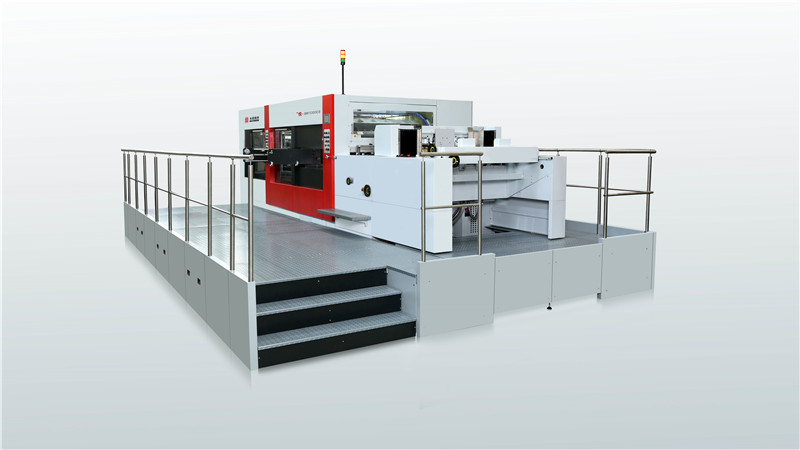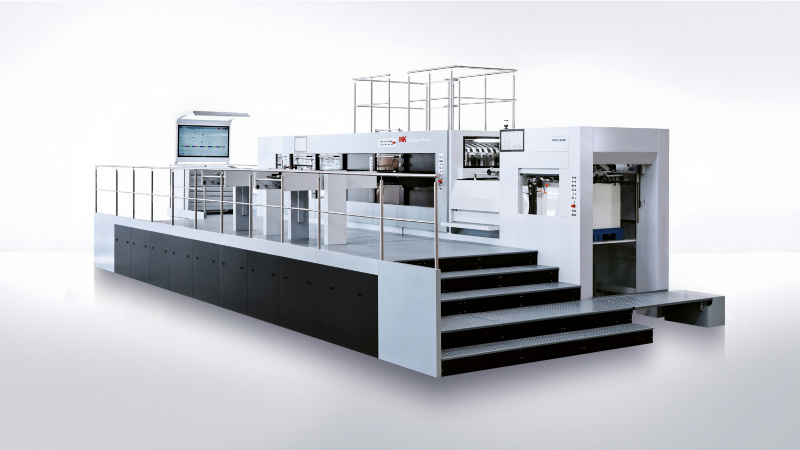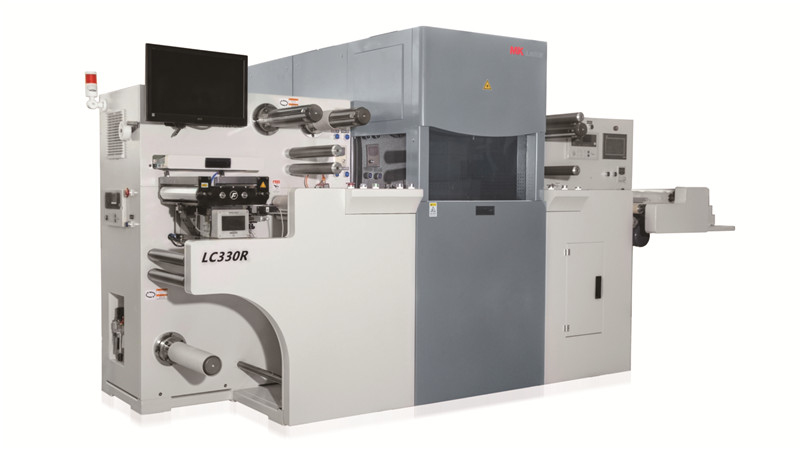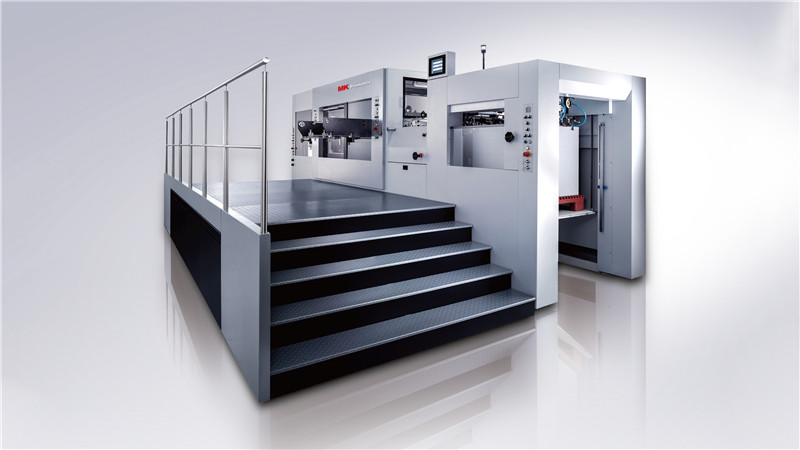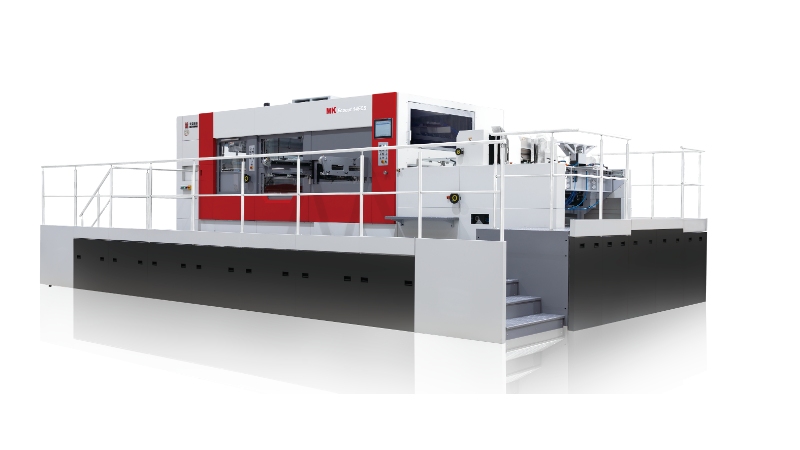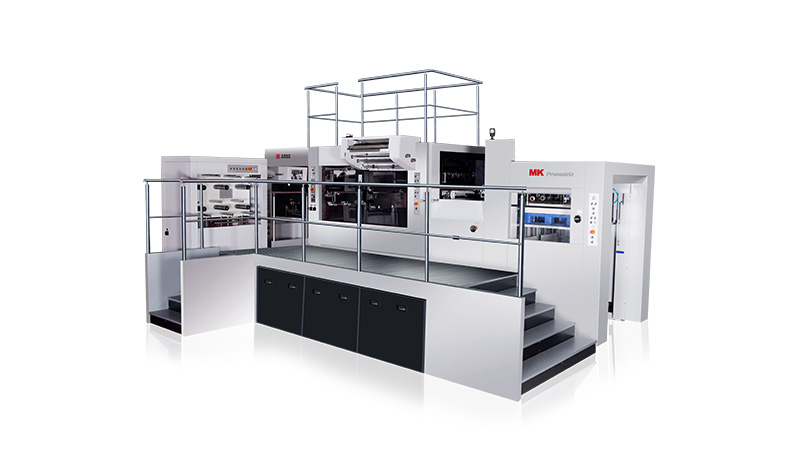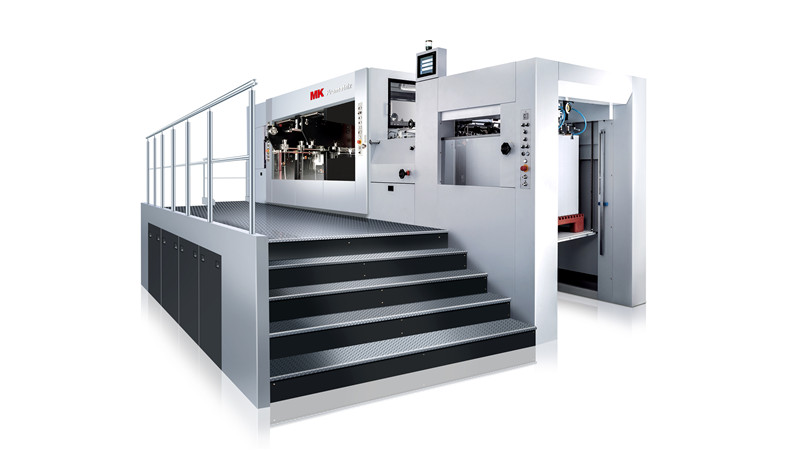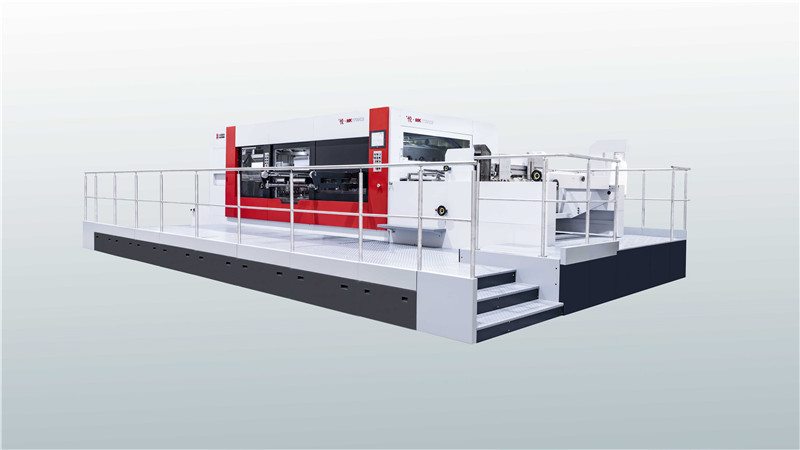
These frequently asked questions about die-cutting machines have been compiled by the MK Masterwork technical team. They address questions from engineers, purchasing managers, and other users from the perspectives of technical principles and industry standards. We will continue to monitor your needs and update this information accordingly.
Die cutting machines can process a wide range of materials depending on machine type and tooling configuration, including solid paperboard, corrugated board, laminated board, plastic sheets, films, foam, rubber, gasket materials, and thin metal foils. Flatbed (platen) die cutters are particularly suitable for thicker and rigid substrates that require precise creasing.
Flatbed die cutting machines operate with a vertical pressing motion between flat surfaces, offering high cutting pressure and excellent creasing accuracy. Rotary die cutting machines use cylindrical dies in continuous motion and are better suited for high-speed, continuous production of flexible or corrugated materials. The choice depends on material thickness, precision requirements, and production volume.
Cutting pressure is controlled through mechanical adjustment systems, hydraulic or pneumatic assistance, or servo-driven mechanisms depending on machine design. Uniform pressure distribution across the cutting area is critical to avoid incomplete cuts, over-cutting, or uneven creasing. Advanced machines allow fine pressure tuning and repeatable pressure settings.
Accuracy and repeatability are influenced by machine rigidity, registration systems, drive stability, tooling quality, and control system precision. Structural stiffness, precise front and side lay positioning, and consistent motion profiles are key contributors to dimensional accuracy and long-term stability.
Makeready time refers to the period required to set up a new job, including die installation, alignment, pressure adjustment, stripping setup, and first-article approval. In modern packaging production, makeready time often has a greater impact on overall efficiency and cost than maximum running speed, especially in short-run and high-mix environments.
Stripping is the process of removing internal and edge waste after die cutting. It is required for most folding carton and many corrugated applications to ensure clean blanks ready for downstream processes. In-line stripping systems significantly reduce manual labor and secondary handling operations.
Stripping removes waste material, while blanking separates finished products from the carrier sheet. Blanking is typically used when individual cartons or blanks need to be delivered as separated units rather than nested sheets. Not all applications require blanking, but it adds efficiency in high-volume standardized production.
Tooling quality directly affects cut quality, waste removal efficiency, creasing performance, and machine wear. Factors such as rule height, rule hardness, die board material, rubber selection, and stripping layout must be matched to the substrate and machine characteristics. Poor tooling design can negate the benefits of advanced equipment.
Efficiency is commonly evaluated using a combination of metrics, including sustainable production speed, makeready time, waste rate, uptime, mean time between failures (MTBF), and overall equipment effectiveness (OEE). A balanced evaluation considers both productivity and quality outcomes.
Preventive maintenance practices include regular lubrication, inspection of drive components, monitoring of wear parts, and verification of safety systems. Automatic lubrication systems and condition monitoring features help reduce unplanned downtime and extend machine service life.
Modern die cutting machines are designed to comply with applicable machinery safety regulations and electrical standards in their target markets. Typical safety features include emergency stop circuits, interlocked guards, light curtains, and safety-rated control systems. Compliance is a prerequisite for industrial deployment.
Higher automation levels reduce manual intervention in feeding, stripping, blanking, and delivery. While skilled operators remain essential for setup, quality control, and maintenance, automatic die cutting machines significantly lower per-unit labor costs and improve operational consistency.
Key trends include increased automation, data-driven setup and diagnostics, energy-efficient drive systems, modular machine platforms, and integration with digital production workflows. The industry focus is shifting from peak speed toward stability, flexibility, and lifecycle cost optimization.
Products
Contact us
Related Information
Content

We look forward to hearing from you. In order to respond to your message more quickly, we need some information. *These are required