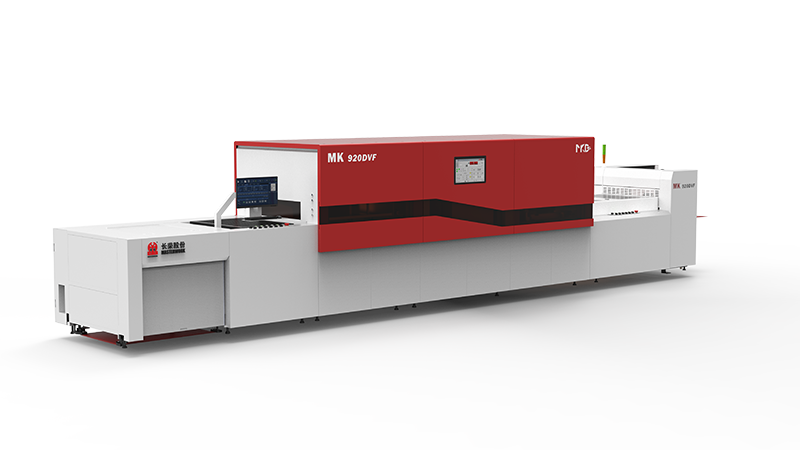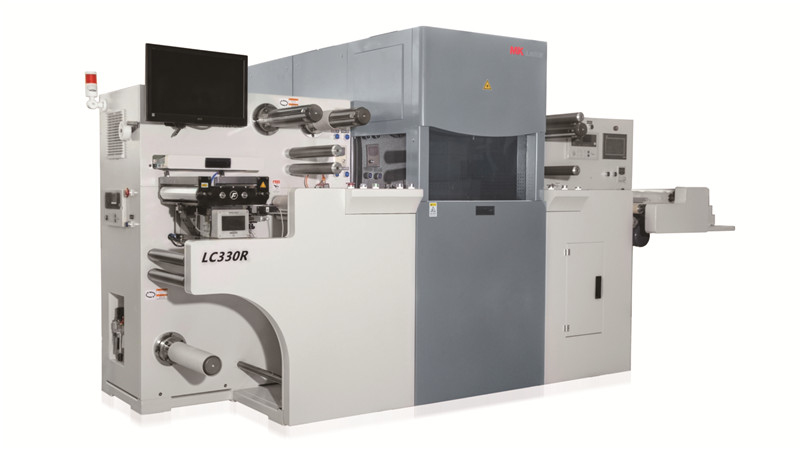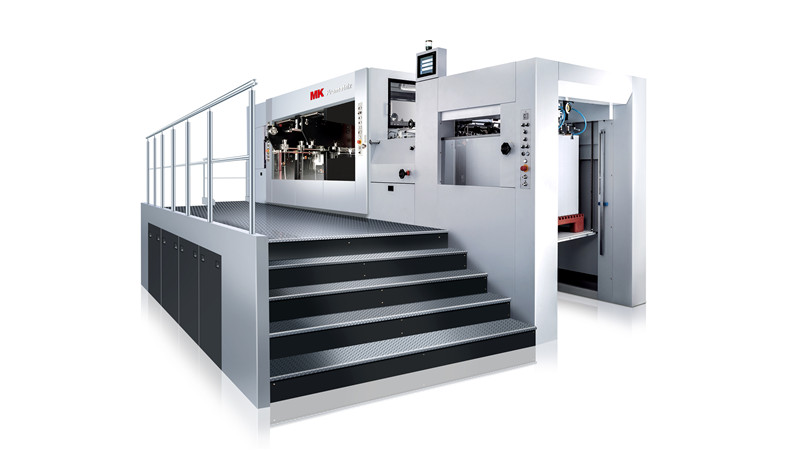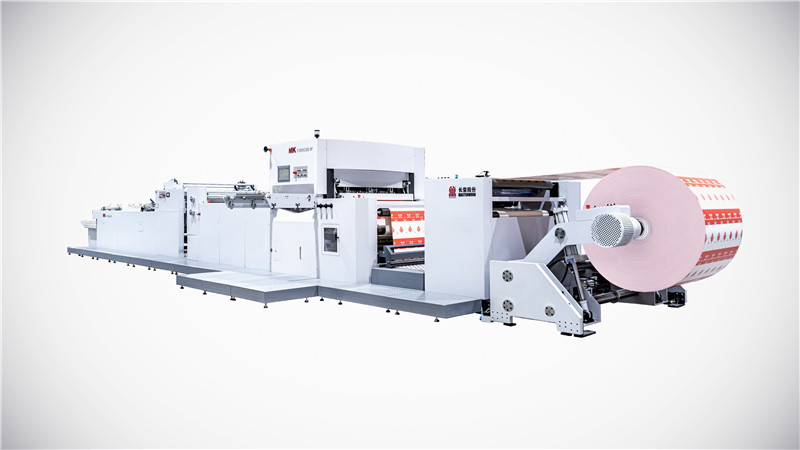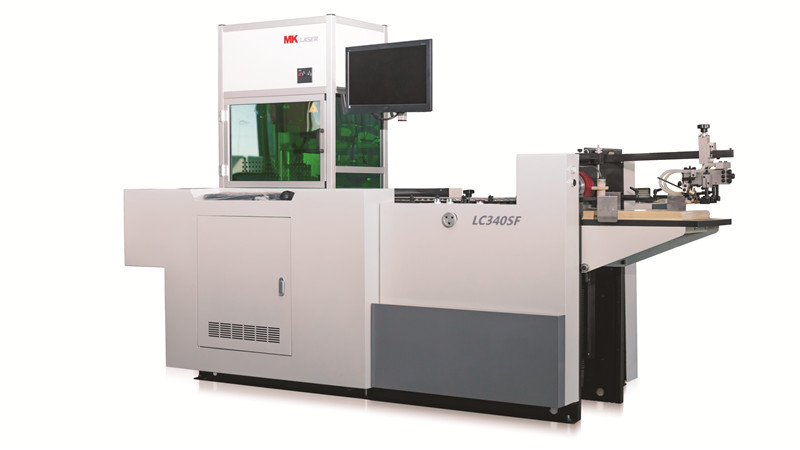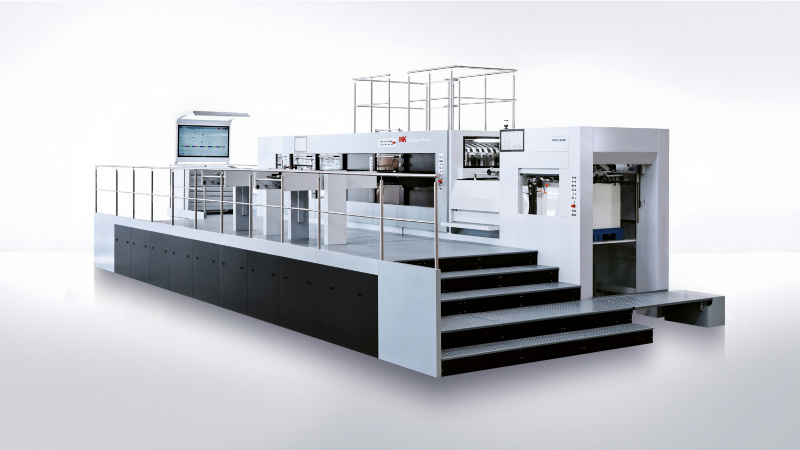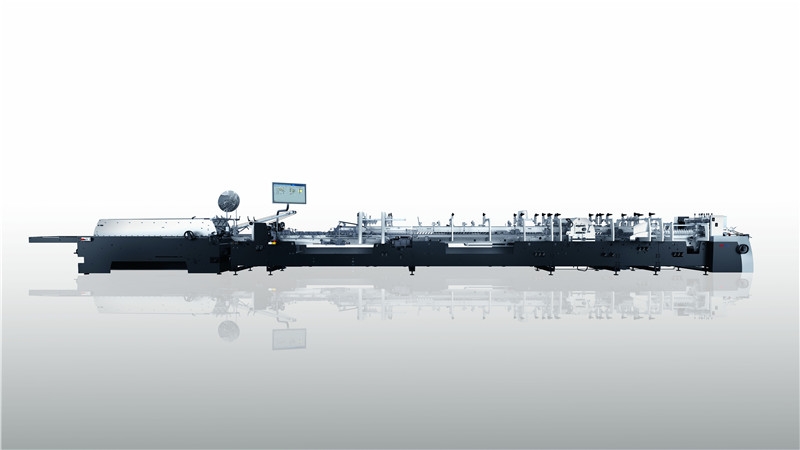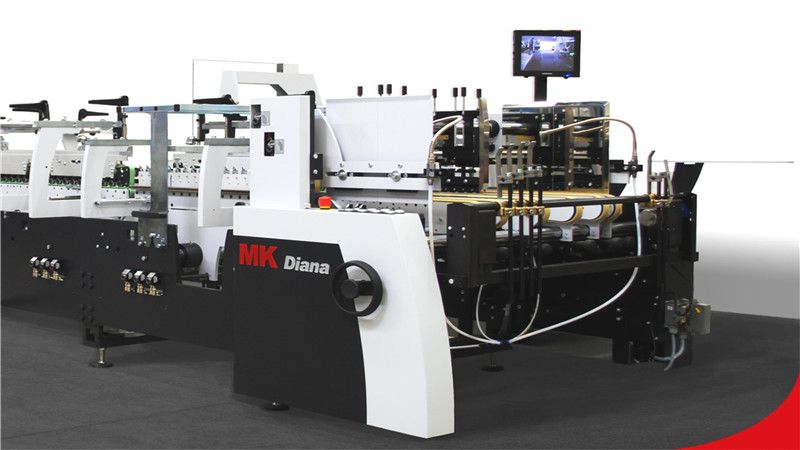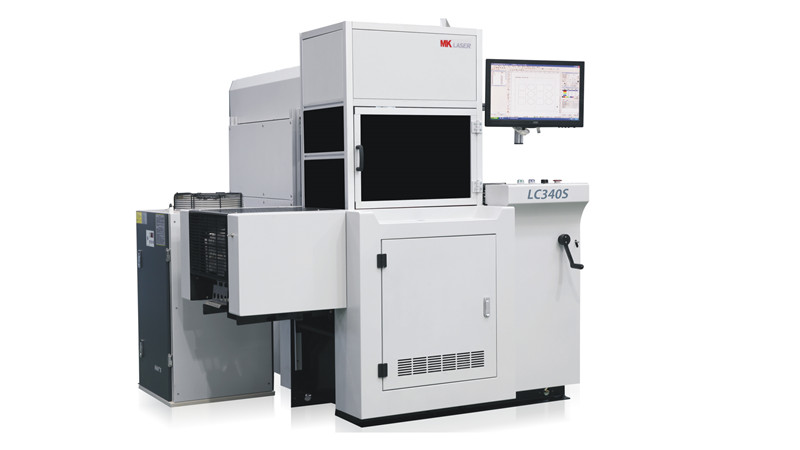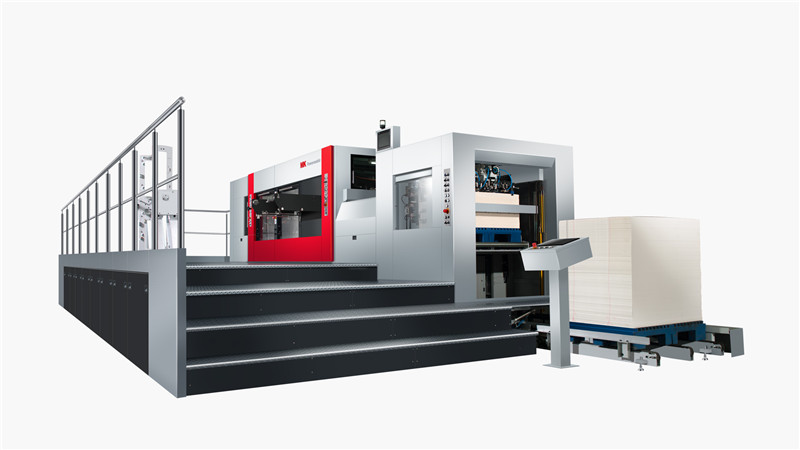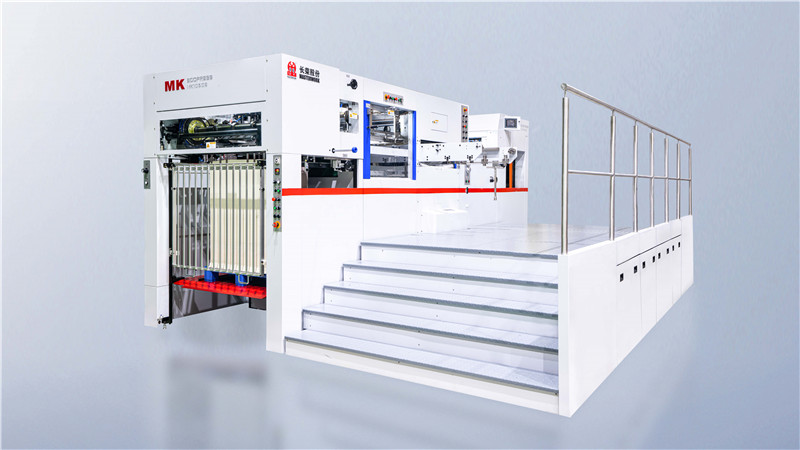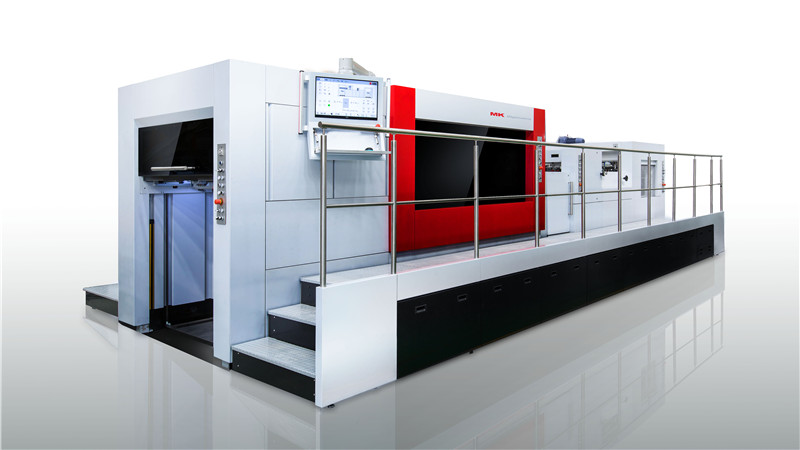
The hot stamping machine is a specialized piece of equipment used in various industries, especially in packaging, printing, and labeling, for applying a metallic or pigmented foil to a substrate through heat and pressure. It is often employed to add decorative features, brand logos, serial numbers, and barcodes to products, packaging materials, or promotional items.
This article provides an in-depth look at the definition, working principle, types, features, key components, and applications of hot stamping machines, along with industry trends. Whether you are an industry professional or a decision-maker looking to invest in this technology, this comprehensive guide will provide valuable insights.
A hot stamping machine is a type of printing technology that uses heat, pressure, and a metallic or pigmented foil to transfer an image or text onto a surface. The process involves applying a foil to a substrate (such as paper, plastic, leather, or fabric) using a heated die, which presses the foil onto the material. The result is a high-quality, durable finish that adds aesthetic appeal, as well as functionality for marking or identifying products.
Hot stamping is also known as foil stamping and is used in a wide range of industries due to its versatility and ability to create high-end, high-quality finishes on various materials.
The hot stamping process involves four main stages:
Foil Preparation: The machine feeds a foil roll, which consists of a thin layer of metallic or colored pigment, onto the working surface.
Die Heating: A die (or stamp), usually made of brass or copper, is heated to a specific temperature, typically between 120°C and 180°C, depending on the material being stamped.
Pressure Application: The heated die is pressed against the foil and the substrate with significant force. The pressure helps bond the foil to the surface, leaving an imprint of the design or text on the material.
Cooling: The pressure is maintained for a brief period, after which the die is removed, and the foil adheres to the material, leaving a high-quality stamped image.
Hot stamping machines can be categorized into several types based on their design, functionality, and application:
Design: These machines have a flat stamping surface with a stationary die. The substrate is fed under the heated die.
Application: Used for high-precision tasks, such as greeting cards, business cards, packaging, and labels.
Advantages: Accurate registration, versatility with substrates, and cost-effectiveness for small to medium production volumes.
Design: These machines feature a rotating cylinder or drum, where the die is mounted on a rotating plate. The substrate passes continuously under the die.
Application: Suitable for mass production, such as larger print runs and applications in continuous packaging lines.
Advantages: Higher speeds and increased efficiency for large-scale runs.
Design: These machines are small, portable, and manual. They are designed for small batch production or applications where flexibility and mobility are necessary.
Application: Used for custom products, personalizing items, and small-volume runs.
Advantages: Affordable, compact, and easy to use for custom applications.
Design: Fully automated machines that integrate feeding, stamping, and ejection of substrates into a continuous operation.
Application: Commonly used in high-volume, high-speed production lines, especially for packaging, labeling, and manufacturing.
Advantages: High efficiency, reduced labor costs, consistent results, and the ability to handle high production volumes.
Hot stamping machines provide extremely high-quality results, producing sharp, vibrant, and durable imprints on substrates. The precise application of pressure and heat ensures consistent results, especially in high-end applications like luxury packaging or branding materials.
The process can be used with a wide range of foils, including metallic, holographic, matte, and gloss finishes, allowing manufacturers to customize their products for different aesthetic preferences. This versatility is essential in the cosmetic, luxury goods, and automotive industries where customization is a key selling point.
Unlike traditional printing methods, hot stamping does not require ink or solvents, which makes it an environmentally friendly process. This feature makes it cost-effective and efficient, as there is less waste and fewer setup requirements.
Hot stamped finishes are highly durable, offering excellent resistance to wear, water, and abrasion. This makes the technology ideal for applications where long-lasting finishes are required, such as consumer packaging or security printing.
A typical hot stamping machine consists of the following key components:
Material: Typically made from brass, steel, or copper.
Function: The die is heated and pressed onto the substrate to transfer the foil. It can be designed to imprint text, logos, or intricate designs.
Material: This plate or cylinder is the part of the machine that heats the die to the desired temperature.
Function: Ensures the die achieves the required temperature to transfer the foil effectively.
Material: Hot stamping foils are thin and come in a variety of finishes, such as metallic, holographic, or matte.
Function: The foil roll feeds into the machine, where it is transferred onto the substrate by the heated die.
Material: The press mechanism is typically pneumatic or mechanical, depending on the machine type.
Function: Applies pressure to ensure the foil bonds effectively with the substrate.
Material: Digital or PLC-based control systems are used to manage timing, pressure, and temperature.
Function: Allows for precise adjustment of process parameters, ensuring consistent results.
Hot stamping machines are used across many industries for various applications, including:
Packaging: High-end packaging for cosmetics, pharmaceuticals, luxury goods, and food products.
Printing: Business cards, greeting cards, and promotional materials.
Labeling: Product labeling, especially for items requiring metallic or holographic finishes.
Automotive: Adding logos or markings to parts and trim.
Textiles: Personalizing leather goods, clothing, and accessories with metallic or colored foils.
Security Printing: Applying tamper-evident seals or anti-counterfeit features.
The integration of digital controls and automation is revolutionizing the hot stamping industry. With automated feeders, conveyors, and foil roll changers, hot stamping processes are becoming more efficient, allowing manufacturers to handle higher volumes while maintaining precision.
As environmental regulations tighten, there is a growing trend towards eco-friendly hot stamping foils. These foils do not contain solvents or harmful chemicals, making them a sustainable alternative for businesses looking to reduce their environmental footprint.
The demand for customized and personalized products is increasing. Hot stamping machines offer high customization capabilities, allowing manufacturers to produce limited-edition products, unique packaging, and custom branding solutions.
The trend towards integrating hot stamping with other printing technologies (such as embossing, debossing, or screen printing) is on the rise. This hybrid approach allows for more complex, multifaceted designs and finishes, offering greater flexibility and higher added value.
Hot stamping machines are indispensable tools in many industries, providing high-quality, durable finishes that enhance both the aesthetic appeal and functionality of products. Whether you're looking for precision in luxury packaging, high-volume production, or custom printing, the versatility of hot stamping technology offers a wealth of opportunities.
With continuous advancements in automation, eco-friendly materials, and digitalization, hot stamping is set to remain a dominant force in the printing and packaging industries. By understanding the key principles, types, and applications of hot stamping, businesses can effectively leverage this technology to meet their evolving production needs and stay ahead of industry trends.
Products
Contact us
Related Information
Content

We look forward to hearing from you. In order to respond to your message more quickly, we need some information. *These are required