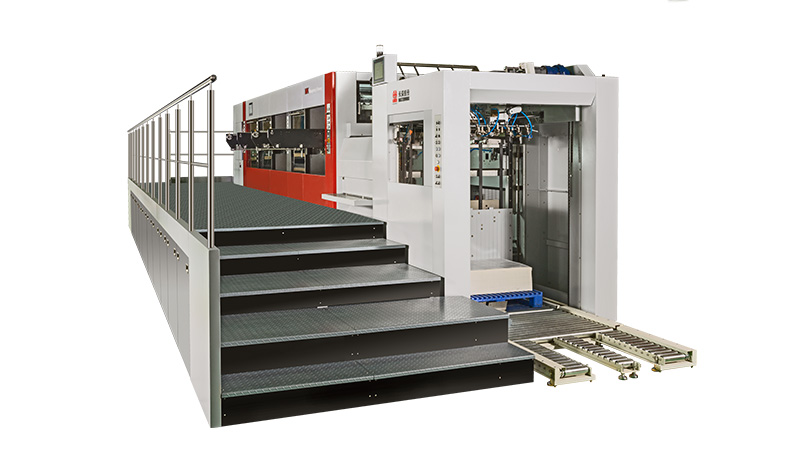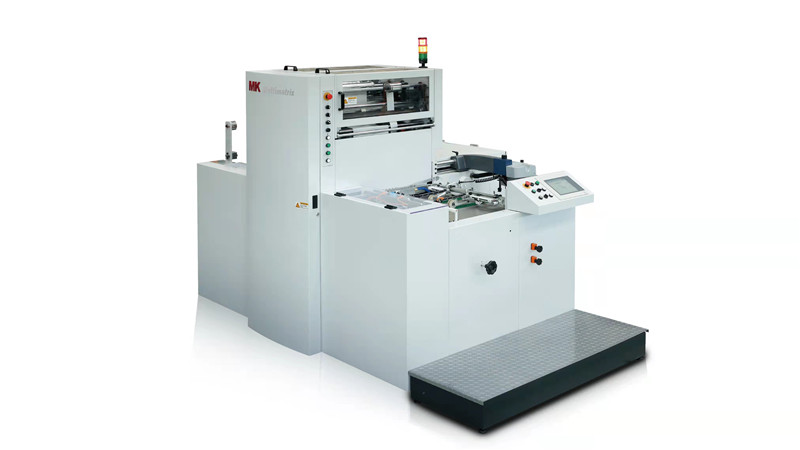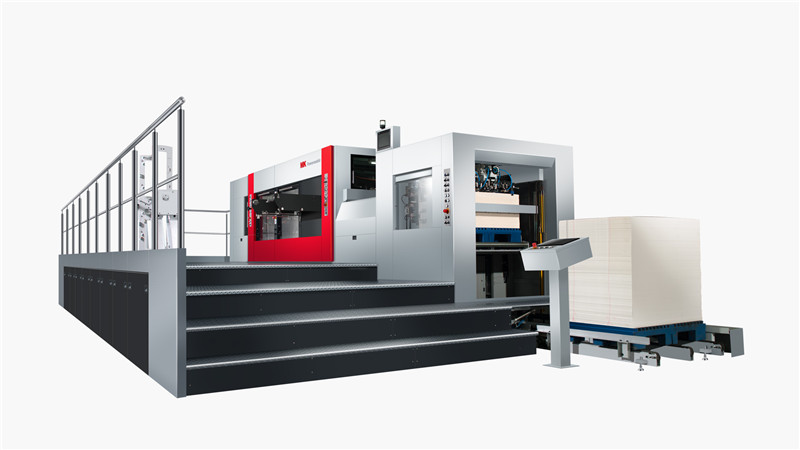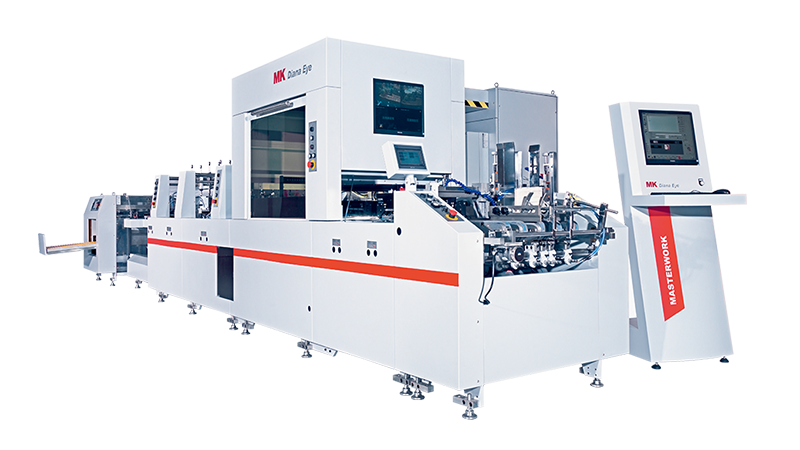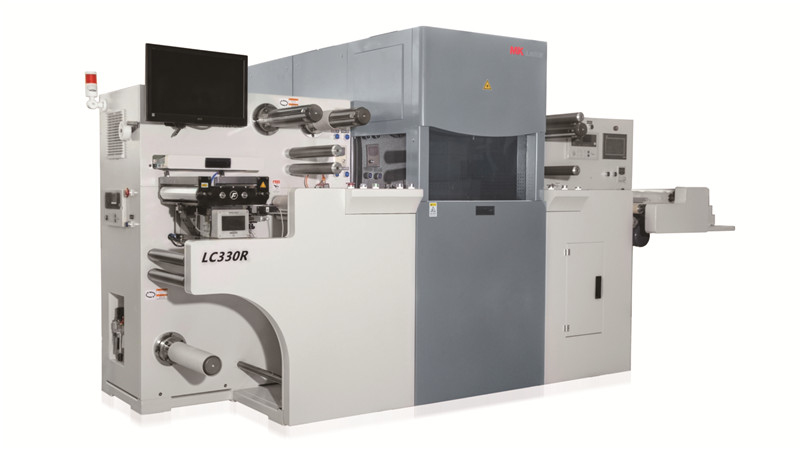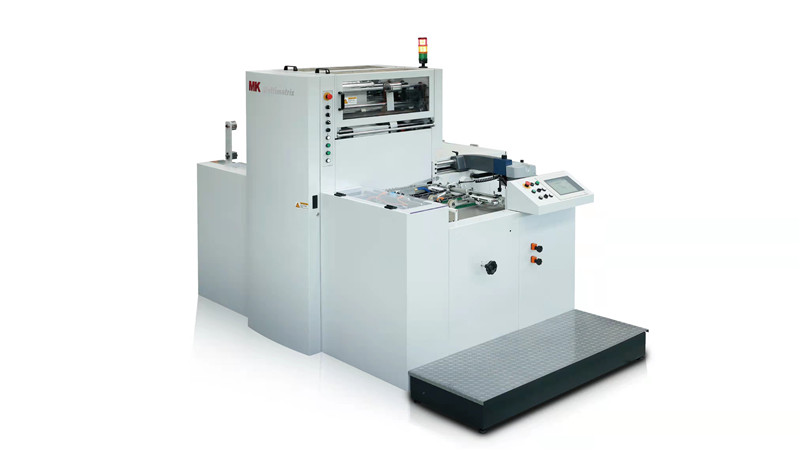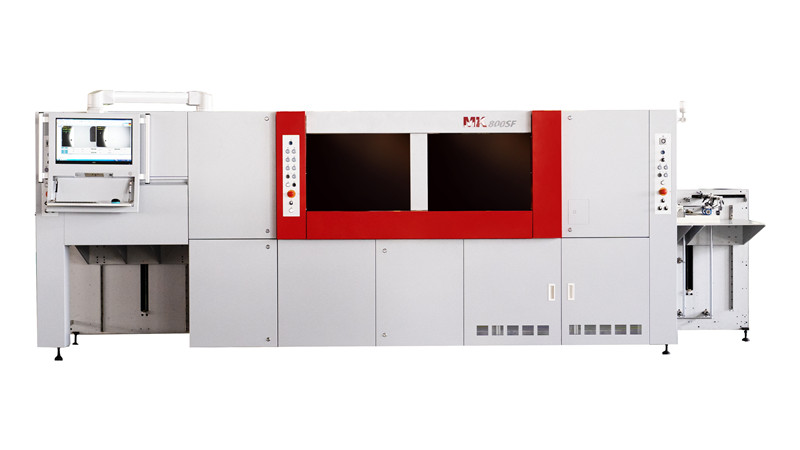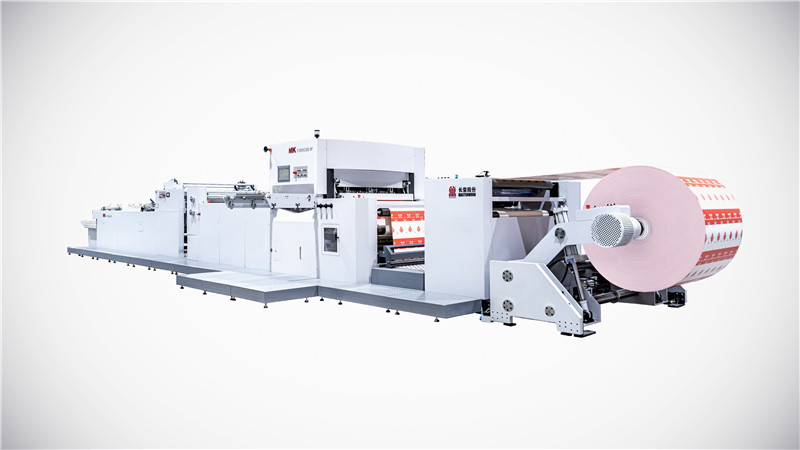
Hot stamping and heat transfer are two distinct printing and decorating techniques used in various industries, particularly in packaging, automotive, consumer electronics, and textiles. Both methods rely on heat to transfer designs or colors onto substrates, but they differ significantly in terms of the materials used, application methods, and the types of finishes achieved. This article into the nuances of these two processes, comparing their mechanisms, advantages, limitations, and ideal use cases.
Hot stamping, also known as foil stamping or hot foil printing, is a process where metallic or pigmented foil is applied to a substrate using heat and pressure. The foil is typically made of aluminum, gold, silver, or other metalized materials and is used to create a decorative finish or to add text and logos to a wide variety of products.
In the hot stamping process, a heated die is pressed onto the foil and the substrate. The foil adheres to the substrate where the die is applied, transferring the design or text in the desired area.
Heat transfer printing, on the other hand, involves using heat to transfer a design or image from a carrier (often paper or film) onto the substrate. The image or design is first printed on the transfer paper using sublimation or other printing methods, and then, using heat and pressure, it is transferred to the target surface. This process is common for printing on textiles, ceramics, and plastics.
Unlike hot stamping, which uses foil, heat transfer relies on pre-printed designs that are transferred via heat to the substrate.
Hot stamping operates through a combination of heat, pressure, and time. The typical steps involved are:
Die Preparation: A die (usually made of steel or brass) is created with the desired design or text engraved into it.
Foil Application: The substrate is placed under the die, and a roll of foil is positioned above it. The foil is typically unwound from a roll.
Heating and Pressing: The die is heated to a specific temperature (usually between 120°C and 180°C), and then it is pressed onto the foil with the substrate beneath. This causes the foil to adhere to the areas of the substrate that are in contact with the die, transferring the design.
Cooling: After pressing, the substrate is allowed to cool, solidifying the transfer.
Heat transfer printing also involves the application of heat and pressure but in a slightly different manner:
Design Printing: The design or image is first printed onto a carrier paper using specialized inks, such as sublimation inks, solvent-based inks, or screen printing.
Heat Transfer: The transfer paper is then aligned onto the target substrate, which can be textiles, ceramics, or plastics. The heat press is applied to the paper and substrate, typically at temperatures between 180°C and 210°C, depending on the material being used.
Cooling: After the required amount of time and pressure, the heat press is removed, and the paper is peeled off, leaving the design transferred onto the substrate.
Hot stamping is generally used on non-porous, smooth surfaces. The substrates commonly used for hot stamping include:
Paper: Especially in the printing industry for luxury packaging, books, and stationery.
Plastic: Used for automotive parts, consumer electronics, and packaging.
Wood: High-end decorative items often use hot stamping to add intricate designs.
Leather and Fabric: Used in the fashion industry for logos and brand names.
Foil used in hot stamping can be metallic, holographic, matte, or gloss, providing various aesthetic finishes.
Heat transfer printing is more versatile in terms of the types of substrates that can be used, as it works well with a broader range of materials. Common substrates for heat transfer include:
Textiles: Used predominantly in the apparel industry for printing on T-shirts, caps, and other garments.
Ceramics: Mugs, plates, and other ceramic products are commonly heat-transferred.
Plastics and Metals: Heat transfer can be used for promotional items or customized products such as water bottles, phone cases, and stationery.
The transfer material itself typically consists of a flexible film or paper that has the design printed on it. Sublimation heat transfer is commonly used for polyester fabrics or polymer-coated materials, while other heat transfer methods like plastisol transfer are suitable for cotton and cotton-blend fabrics.
Speed: Hot stamping is relatively slower than heat transfer, as it involves precise die preparation and heating. It is ideal for small to medium production runs or for jobs requiring high-quality finishes.
Setup Time: The setup time for hot stamping is relatively high due to die preparation and calibration.
Efficiency: While the process offers high-quality results, it is less efficient for large-scale printing jobs due to the manual setup and the necessity for precise alignment.
Speed: Heat transfer printing is generally faster than hot stamping, especially for mass production runs. This is particularly true for fabric printing, where large batches can be completed quickly.
Setup Time: The setup for heat transfer is usually faster because it involves the use of pre-printed transfer papers or films, which eliminates the need for die creation.
Efficiency: Heat transfer is more efficient for high-volume production, especially when printing designs that do not require metallic or high-end finishes.
Durability: The durability of hot stamping depends on the substrate and the foil used. Foil is highly resistant to abrasion and fading, but it may be susceptible to wear on certain surfaces, particularly on textiles or low-quality plastics.
Finish Quality: Hot stamping delivers a very high-quality finish, especially when metallic or holographic foils are used. It provides a luxurious, glossy appearance, making it ideal for premium products, packaging, and branding.
Durability: Heat transfer prints can be quite durable, but this also depends on the type of ink used and the substrate. Heat transfer prints on textiles, especially when using sublimation or plastisol, tend to be highly durable and resistant to fading. However, the durability on plastics or ceramics can vary based on the specific transfer method.
Finish Quality: Heat transfer prints can achieve a matte, glossy, or satin finish depending on the ink and transfer material used. While not as shiny as hot stamping, heat transfer offers more versatility in terms of the types of designs that can be transferred, including photographic quality.
Packaging: Widely used for luxury packaging, such as cosmetics boxes, premium food packaging, and high-end product labels.
Branding and Logos: Common in the creation of branded logos, especially on consumer electronics, automotive parts, and leather goods.
Decorative Products: Utilized for high-quality decoration on products such as greeting cards, gift bags, and promotional materials.
Textiles: Common in T-shirt printing, sports apparel, and other fashion items.
Ceramics: Used for customizing mugs, plates, and promotional ceramic items.
Promotional Products: Often used on items like phone cases, water bottles, and other promotional merchandise.
Hot stamping can be more expensive due to the initial die creation and material costs, especially when using metallic or holographic foils. The process is best suited for small batches or high-end products that justify the higher costs.
Heat transfer printing tends to be more cost-effective, particularly for larger volumes. The cost of materials, such as transfer papers and inks, is generally lower compared to foils used in hot stamping. This makes heat transfer a more affordable option for mass-production runs.
While both hot stamping and heat transfer printing utilize heat and pressure to transfer designs to substrates, they differ in terms of materials, application processes, and ideal use cases. Hot stamping excels in delivering high-quality, shiny finishes, making it ideal for premium products and branding. It is more labor-intensive and suitable for smaller runs. On the other hand, heat transfer is more versatile, faster, and efficient for large-scale production, particularly in textiles and promotional products, although it may not offer the same luxurious finish as hot stamping.
Choosing between the two methods depends on the specific requirements of the project, such as the type of substrate, desired finish, volume, and cost considerations. Both methods offer distinct advantages, making them valuable tools for different industries and applications.
Products
Contact us
Related Information
Content

We look forward to hearing from you. In order to respond to your message more quickly, we need some information. *These are required