There is no absolutely "better" process, only the "more suitable" choice. For high-volume, repetitive production scenarios with fixed materials, die cutting is more advantageous in terms of unit cost, speed, and consistency; while for low-volume, multi-variety, complex graphics, or frequently changing designs, laser cutting is more competitive in terms of flexibility, precision, and mold-free costs. The actual decision should be based on a comprehensive assessment of production scale, material type, precision requirements, and delivery cycle.
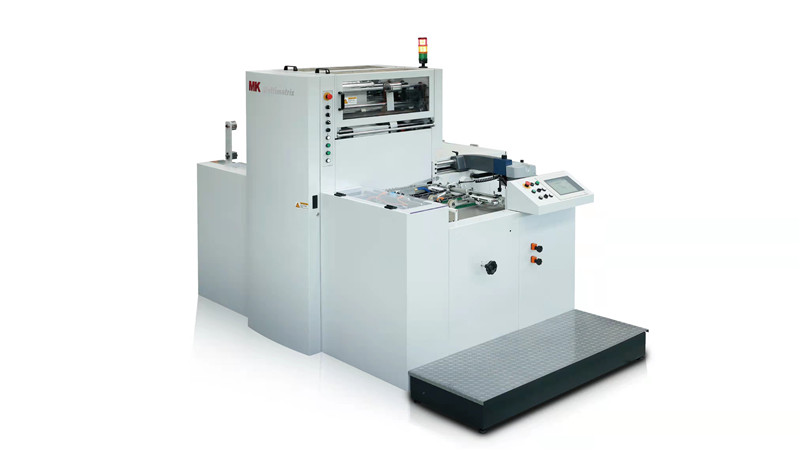
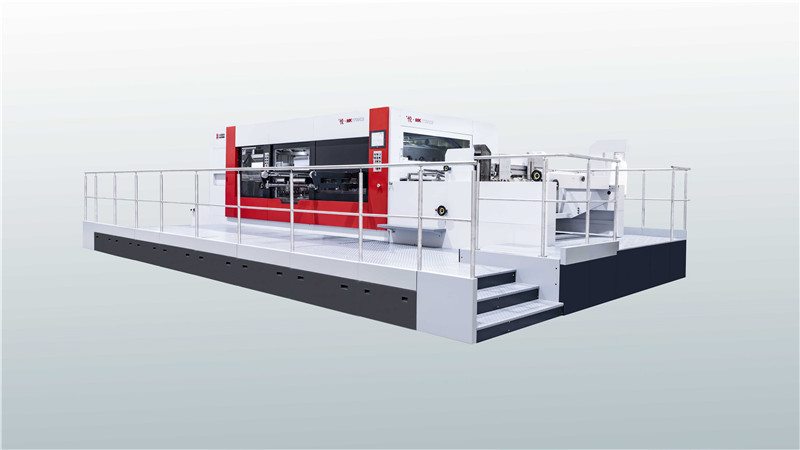
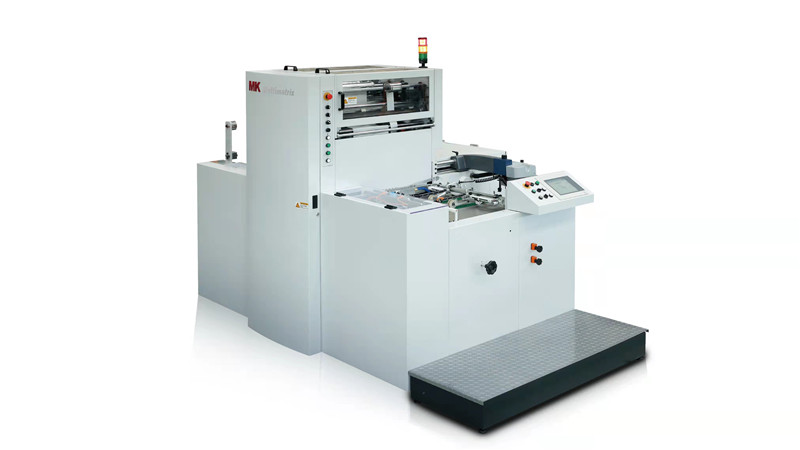
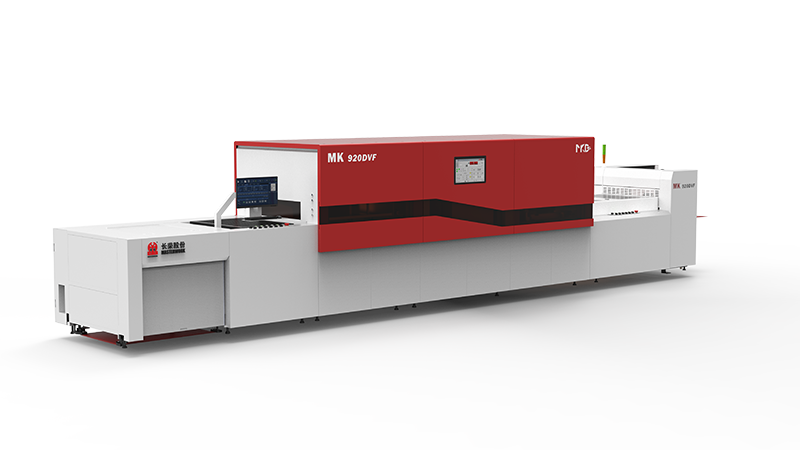
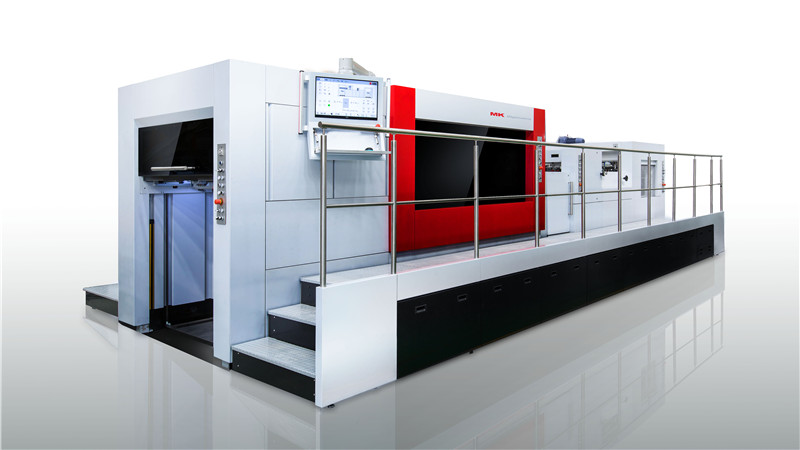
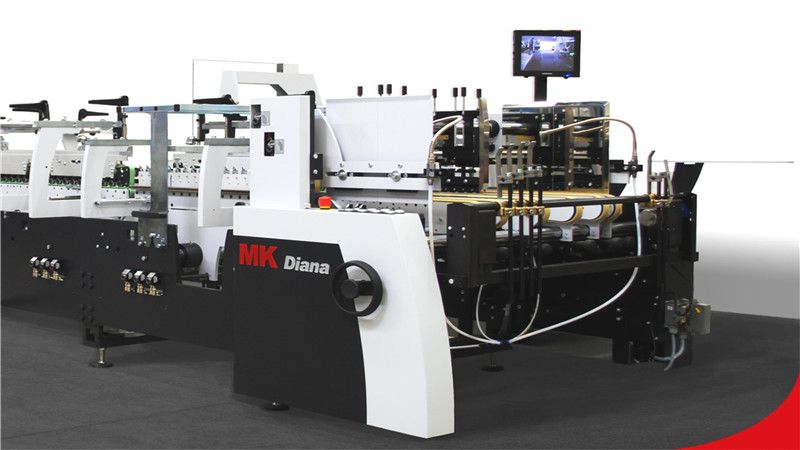
Die cutting is a mechanical fabrication process that uses a custom-designed die to physically cut or shape materials. The die typically consists of hardened steel blades arranged into a predefined geometry and mounted onto a base. During operation, the die presses into the material under high pressure, producing consistent and repeatable shapes.
There are several variations of die cutting technologies:
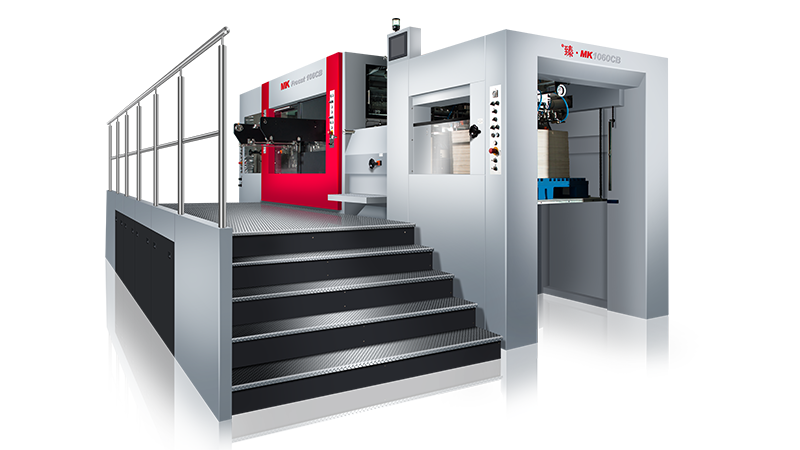
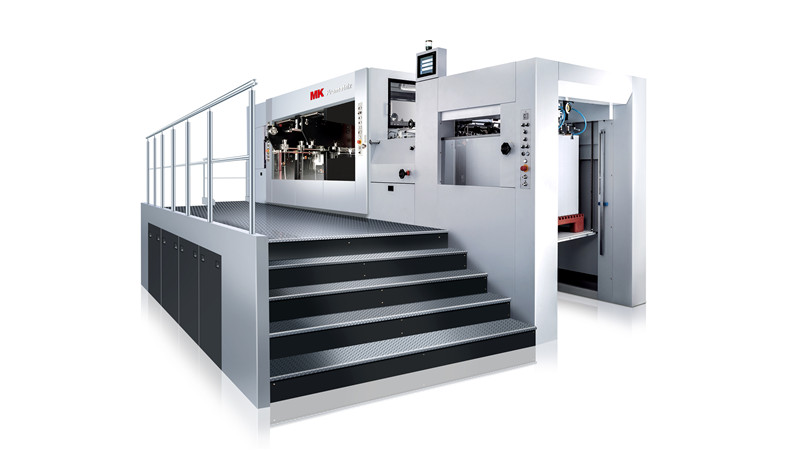
Flatbed Die Cutting: Uses a flat press where the die moves vertically onto the material. This method is suitable for thicker substrates and lower production volumes, offering high cutting force and versatility.
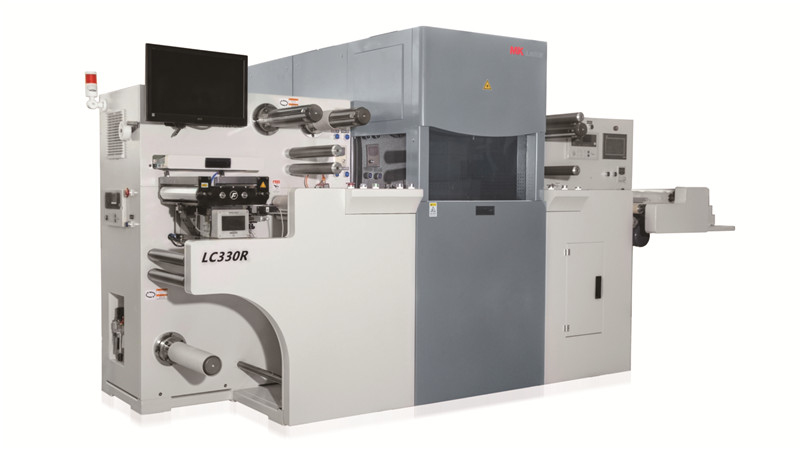
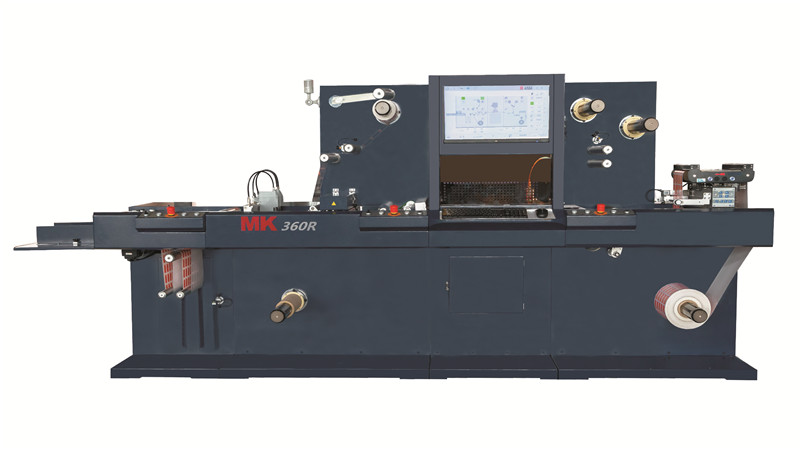
Rotary Die Cutting: Employs cylindrical dies mounted on rotating drums, enabling continuous cutting at very high speeds. This is the preferred method for roll-to-roll processing such as labels, films, and flexible packaging.
Digital Die Cutting: Combines aspects of CNC control with mechanical cutting tools, offering limited flexibility without full tooling replacement.
The defining characteristic of die cutting is that tooling determines the shape, which means consistency is extremely high but flexibility is limited once the die is produced.
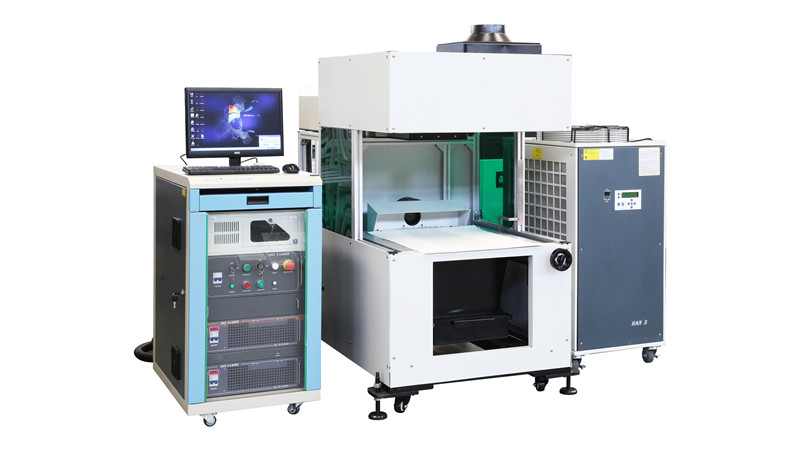
Laser cutting is a non-contact thermal cutting process that uses a focused beam of high-energy light to remove material. The laser heats the material to the point of melting, burning, or vaporization, while assist gases (such as oxygen or nitrogen) help eject molten material and improve cut quality.
Key types of laser systems include:
CO₂ Lasers: Commonly used for non-metal materials such as plastics, wood, paper, textiles, and rubber. They provide smooth edges but may cause slight thermal damage depending on settings.
Fiber Lasers: Designed for metal cutting, offering higher efficiency, faster speeds, and better precision on reflective materials like aluminum and stainless steel.
UV and Green Lasers: Used in specialized applications requiring ultra-fine precision and minimal thermal impact.
Laser cutting is controlled via CAD/CAM software, meaning designs can be modified instantly without physical tooling changes, making it highly adaptable.
| Parameter | Die Cutting | Laser Cutting |
|---|---|---|
| Dimensional Accuracy | ±0.1–0.3 mm depending on tooling | ±0.01–0.1 mm depending on machine and material |
| Production Speed | Extremely high, especially rotary systems | Moderate, varies with material thickness and power |
| Initial Setup Cost | High due to die fabrication | Very low, no tooling required |
| Cost per Unit | Very low in large-scale production | Higher due to machine time and energy |
| Thermal ազդեց | None, purely mechanical process | Present, may create heat-affected zones |
| Maximum Complexity | Limited by die geometry and manufacturability | Extremely high, supports intricate and fine التفاصيل |
| Consistency | Excellent across large batches | Excellent, but dependent on calibration |
From an engineering standpoint, die cutting is optimized for throughput and repeatability, while laser cutting prioritizes precision and adaptability.
Die cutting is deeply embedded in industries that require high-volume output with tight cost control:
Packaging Industry: Folding cartons, corrugated boxes, blister packs, and labels rely heavily on die cutting for consistent shapes and high-speed production.
Electronics Manufacturing: Components such as insulation layers, EMI shielding materials, and adhesive films are die-cut for precision and repeatability.
Automotive Industry: Interior components like foam inserts, gaskets, and vibration-damping materials are produced using die cutting.
Medical Products: Disposable items such as wound dressings, adhesive tapes, and diagnostic components benefit from clean, burr-free edges.
In these sectors, the ability to produce millions of identical parts efficiently makes die cutting indispensable.
Laser cutting is widely adopted in industries where precision, customization, and design complexity are critical:
Metal Fabrication: Structural parts, enclosures, and precision components in steel, aluminum, and alloys.
Signage and Display: Acrylic letters, decorative panels, and custom branding elements.
Product Development and Prototyping: Engineers and designers use laser cutting to quickly iterate designs without investing in tooling.
Aerospace and Engineering: Complex geometries and tight tolerances make laser cutting suitable for specialized components.
Laser cutting enables rapid innovation cycles, making it a key technology in modern manufacturing environments.
The economics of die cutting are heavily influenced by tooling:
Upfront Cost: Designing and manufacturing a die can be expensive, especially for complex geometries.
Amortization: Once the die is produced, the cost is distributed across the production volume.
Marginal Cost: Extremely low per unit, making it ideal for large-scale production.
For example, in packaging manufacturing, once production exceeds several thousand units, the cost advantage becomes significant and continues to improve with scale.
Laser cutting operates on a fundamentally different cost model:
No Tooling Cost: Eliminates the need for dies, reducing initial investment.
Operational Cost: Includes machine time, electricity consumption, maintenance, and assist gases.
Linear Cost Scaling: Cost increases proportionally with production volume.
This makes laser cutting particularly effective for short production runs, customized orders, and prototyping, where tooling costs would otherwise be prohibitive.
Material selection plays a decisive role in choosing the cutting method:
Soft Materials (Paper, Foam, Films): Die cutting performs exceptionally well, delivering clean cuts without deformation or thermal damage.
Thermoplastics: Laser cutting can cause melting or edge deformation if not properly controlled.
Metals: Only laser cutting is viable, with fiber lasers offering excellent نتائج on reflective metals.
Wood and Acrylic: Laser cutting produces smooth edges but may leave burn marks that require post-processing.
Each material reacts differently to mechanical force versus thermal energy, making process selection a critical engineering decision.
Edge quality directly impacts product appearance and functionality:
Clean, sharp edges
No discoloration or thermal distortion
Minimal need for secondary finishing
High precision edges
Possible charring, melting, or oxidation
In applications such as premium packaging, visual quality often favors die cutting, while in technical components, laser precision is more important.
Flexibility is one of the most significant differentiators:
Die Cutting:
Design changes require new tooling
Lead time increases due to die production
Less suitable for dynamic product lines
Laser Cutting:
Instant design updates via software
No physical modifications needed
Ideal for agile manufacturing environments
This makes laser cutting particularly valuable in industries with frequent product updates or customization requirements.
Efficiency varies significantly depending on production scale:
Die Cutting:
Extremely high throughput, especially with rotary systems
Easily integrated into automated production lines
Capable of continuous, high-speed operation
Laser Cutting:
Slower processing speed per unit
Better suited for flexible, small-scale production
Scaling up requires additional machines rather than faster cycles
For mass production environments, die cutting offers a clear advantage in output efficiency.
Modern manufacturing increasingly relies on automation:
Die Cutting Systems:
Commonly integrated with printing, laminating, and packaging lines
Optimized for linear, high-volume workflows
Laser Cutting Systems:
Seamlessly integrated with CAD/CAM software
Compatible with smart manufacturing and Industry 4.0 frameworks
Laser cutting provides greater digital flexibility, while die cutting excels in process integration.
Sustainability and compliance are becoming more important:
Die Cutting:
No emissions or thermal byproducts
Lower environmental impact
Safer for sensitive applications like food packaging
Laser Cutting:
Generates fumes, smoke, and particulates
Requires extraction and filtration systems
Higher energy consumption
Companies must consider regulatory requirements and workplace safety when selecting a process.
Time-to-market can influence process selection:
Die Cutting:
Longer preparation phase due to tooling
Rapid execution once production begins
Laser Cutting:
Immediate startup capability
Slower production rate over large volumes
For urgent, low-volume jobs, laser cutting offers faster turnaround, while die cutting is more efficient for planned mass production.
A structured approach can simplify the decision:
Choose die cutting when production volume is high, designs are stable, and cost efficiency is critical.
Choose laser cutting when production volume is low, designs change frequently, or high precision is required.
Evaluate material compatibility carefully, as it often determines feasibility.
Consider long-term production strategy rather than short-term convenience.
Die cutting and laser cutting represent two fundamentally different manufacturing philosophies. One is built for efficiency at scale, while the other is designed for flexibility and precision.
In advanced production environments, the most effective strategy is often to use both technologies in combination. Laser cutting can be used for prototyping and early-stage production, while die cutting takes over once designs are finalized and volumes increase.
This hybrid approach allows manufacturers to balance innovation, cost control, and operational efficiency, ultimately delivering better products to market faster.
Products
Contact us
Related Information
Content

We look forward to hearing from you. In order to respond to your message more quickly, we need some information. *These are required