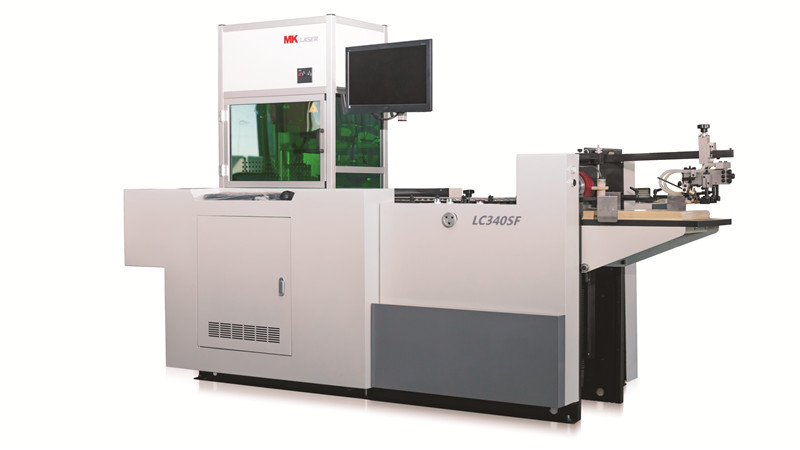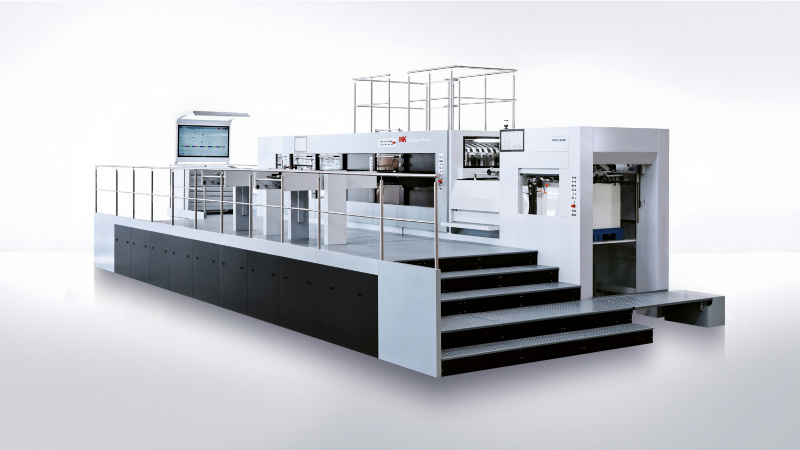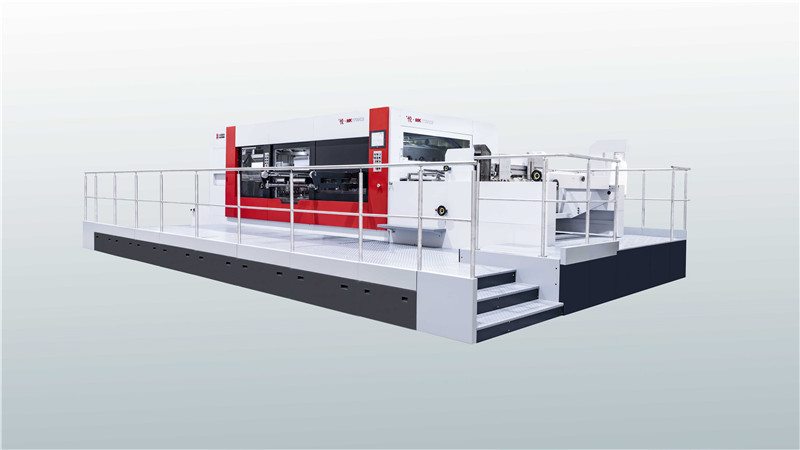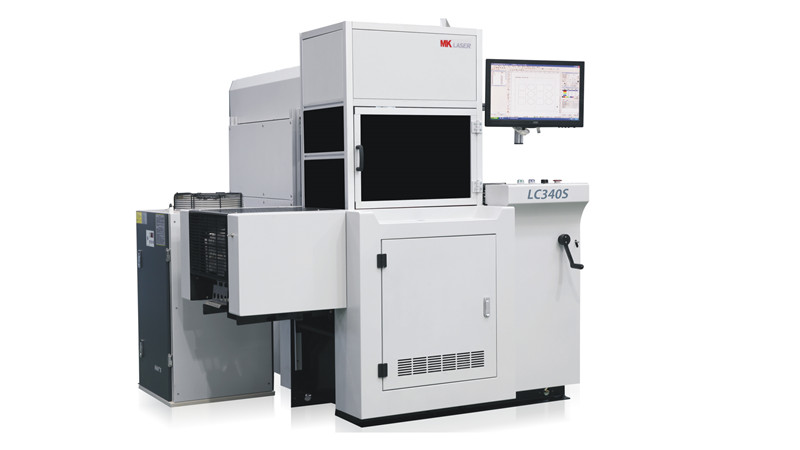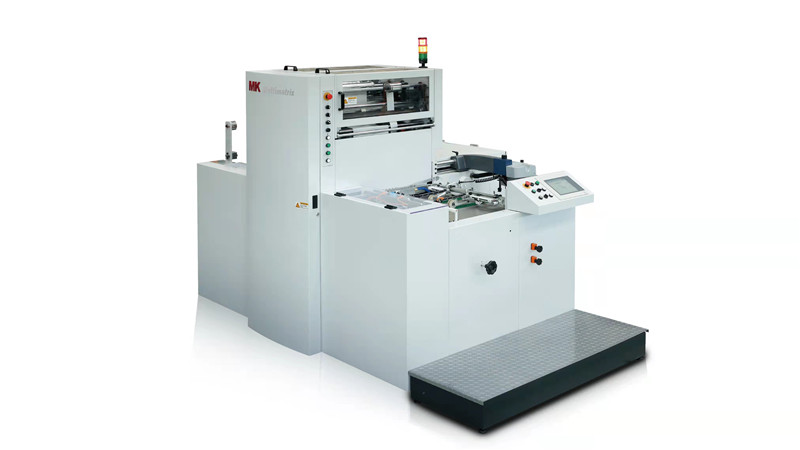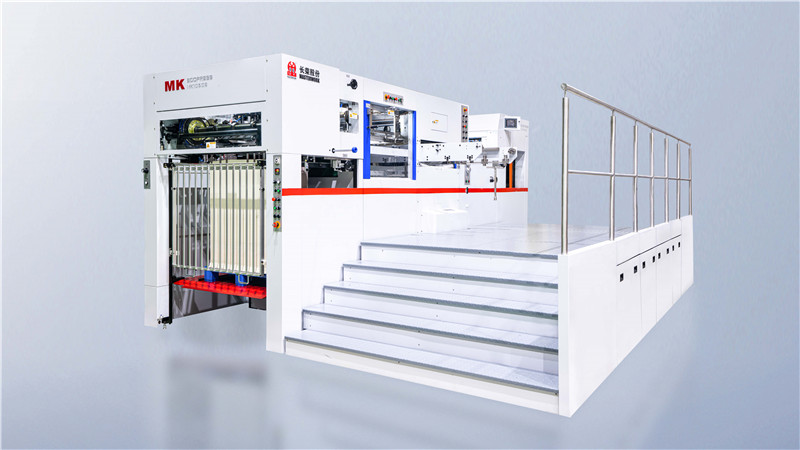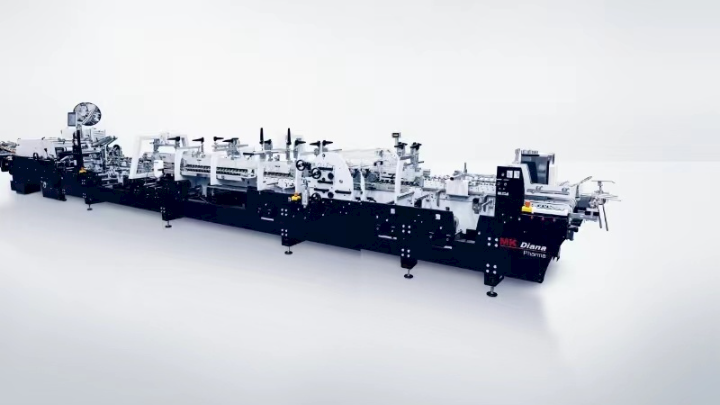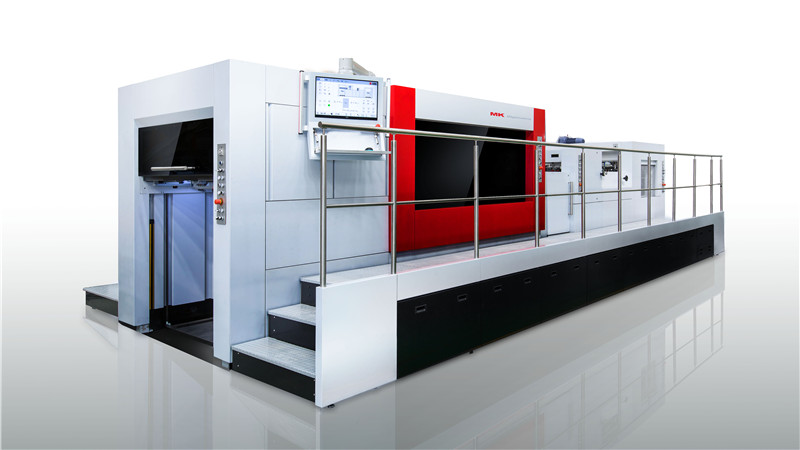
Die cutting machines are essential in industries such as packaging, printing, electronics, and automotive manufacturing due to their high efficiency and precision. However, operational issues can arise from mechanical wear, improper setup, or material inconsistencies. Identifying and resolving these problems quickly is critical to maintaining productivity, reducing waste, and ensuring consistent product quality.
This article outlines the most common die cutting machine issues, their root causes, and effective solutions.
Material is not fully cut through
Edges appear rough or inconsistent
Certain areas are overcut while others remain uncut
Insufficient or uneven cutting pressure
Worn or damaged cutting die
Uneven or worn cutting plate (anvil)
Incorrect setup for material thickness
Adjust and balance cutting pressure across the entire surface
Replace or sharpen worn dies
Inspect and resurface or replace the cutting plate if necessary
Calibrate machine settings based on material specifications
Consistent pressure distribution is essential. Even slight variations can lead to visible defects in finished products.
Off-center cuts
Misalignment with printed graphics
Inconsistent positioning across production runs
Incorrect die installation
Loose mounting components
Machine vibration
Feeding system inaccuracies
Carefully reinstall and align the die using positioning tools
Tighten all fixtures and locking mechanisms
Minimize vibration by stabilizing the machine base
Calibrate feeding and registration systems
Running a short test batch before full production helps verify alignment and prevent large-scale errors.
Material jams or skewing
Wrinkling or stretching
Irregular feeding speed
Improper tension control (in roll-fed systems)
Worn or dirty feed rollers
Mismatch between feeding speed and cutting speed
Inconsistent material quality
Adjust tension settings to ensure smooth material flow
Clean or replace feed rollers regularly
Synchronize feeding speed with cutting operations
Use uniform, high-quality materials
Stable feeding directly impacts cutting accuracy and overall efficiency.
Declining cut quality over time
Increased pressure required for cutting
More frequent adjustments
Cutting abrasive or कठोर materials
High production volume without maintenance
Incorrect die material selection
Use high-quality, durable die materials suited to the application
Implement a preventive maintenance schedule
Avoid excessive pressure that accelerates wear
Monitoring tool condition regularly helps prevent sudden failures and production delays.
Rising machine temperature
Reduced performance or unexpected shutdowns
Increased wear on components
Continuous operation without cooling intervals
Insufficient lubrication
Operating beyond recommended load limits
Schedule cooling breaks during long production runs
Ensure proper lubrication of moving parts
Operate within the machine’s rated capacity
Overheating can shorten machine lifespan and should be addressed promptly.
Unusual or excessive noise
Strong vibrations during operation
Reduced cutting accuracy
Worn bearings or moving parts
Loose bolts or structural components
Improper machine installation
Replace worn mechanical parts
Tighten all fasteners regularly
Ensure the machine is installed on a stable and level surface
Reducing vibration improves both machine longevity and cutting precision.
Scrap material not fully removed
Waste accumulation in the cutting area
Slower production speed
Poor stripping die design
Inefficient ejection system
Static or adhesive properties causing material to stick
Optimize stripping die configuration
Improve ejection mechanisms such as pins or air systems
Apply anti-static treatments if necessary
Efficient waste removal is essential for maintaining continuous production flow.
Uneven cutting results across the sheet
Frequent need for manual adjustments
Variation in product quality
Uneven platen surface
Improper calibration
Wear in pressure components
Perform regular pressure calibration
Inspect and resurface the platen if needed
Use pressure testing tools to identify inconsistencies
Uniform pressure is critical, especially for precision applications.
Unexpected machine stoppages
Error messages on the control panel
Irregular automation behavior
Faulty sensors or wiring
Software or control system errors
Unstable power supply
Inspect and replace damaged electrical components
Reset or update control software
Ensure stable power supply and proper grounding
Routine diagnostics can help prevent unexpected downtime.
Frequent die replacement
Increased operational costs
Reduced production efficiency
Incorrect die selection
Excessive operating pressure
Poor maintenance practices
Choose the appropriate die type for each material
Optimize machine settings to reduce stress on the die
Clean and store dies properly after use
Proper die management significantly reduces long-term costs.
A structured maintenance plan helps avoid most common issues:
Daily: Clean machine surfaces and remove debris
Weekly: Inspect dies, rollers, and pressure systems
Monthly: Check alignment, lubrication, and electrical components
Quarterly: Perform full calibration and replace worn parts
Preventive maintenance is more cost-effective than reactive repairs.
Most die cutting machine issues stem from a combination of mechanical wear, improper setup, and inconsistent material handling. By focusing on regular maintenance, accurate calibration, and proper operator training, manufacturers can minimize downtime and maintain consistent product quality.
In high-volume production environments, even small improvements in machine performance can lead to significant gains in efficiency and cost savings.
Products
Contact us
Related Information
Content

We look forward to hearing from you. In order to respond to your message more quickly, we need some information. *These are required