The packaging industry is entering a new phase of intelligent manufacturing in 2026. Rising labor costs, increasing customization demands, sustainability regulations, and faster delivery expectations are accelerating the adoption of advanced packaging automation systems worldwide. As manufacturers compete for higher efficiency and lower operational costs, technologies such as digital die cutting technology, AI-driven production systems, and the Automatic die cutting machine are becoming core investments across the packaging sector.
In 2026, packaging automation is no longer limited to improving speed. The focus has shifted toward smart production, flexible manufacturing, digital integration, and sustainable operations. Companies that adopt the latest packaging automation trends are gaining significant advantages in productivity, scalability, and market responsiveness.
One of the biggest packaging automation trends in 2026 is the transition from traditional production lines to fully connected smart factories.
Modern packaging plants now integrate:
IoT-enabled machinery
Real-time production monitoring
Cloud-based production management
Predictive maintenance systems
AI-powered quality inspection
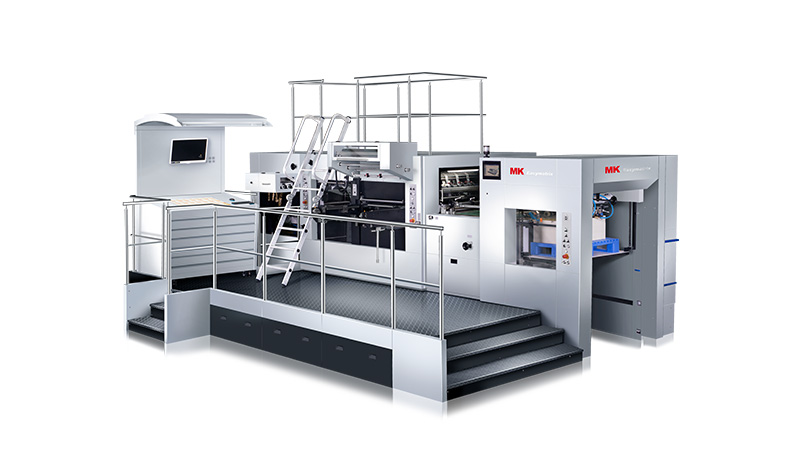
An advanced Automatic die cutting machine can now communicate directly with upstream printing equipment and downstream packaging systems, creating a seamless automated workflow.
Manufacturers are increasingly using centralized dashboards to monitor:
Production efficiency
Material waste
Machine uptime
Energy consumption
Maintenance cycles
This level of connectivity reduces downtime and improves overall equipment effectiveness (OEE).
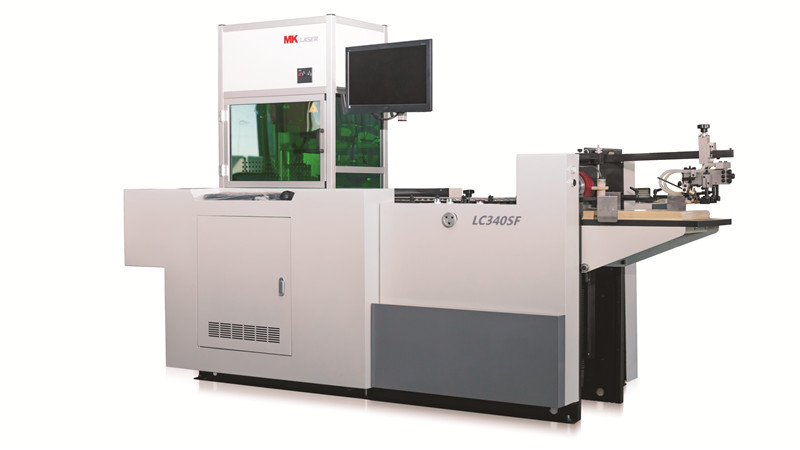
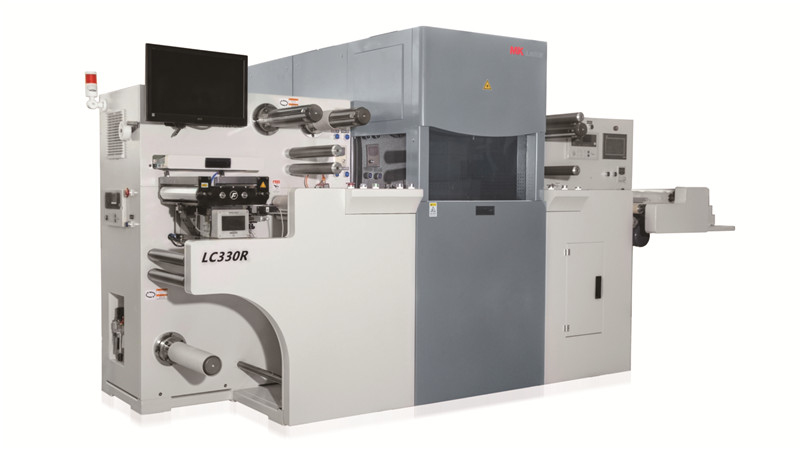
The growth of digital die cutting technology is one of the most transformative developments in the packaging industry.
Unlike traditional die cutting, digital systems eliminate the need for physical tooling in many applications. Instead, cutting patterns are controlled digitally through software and automated positioning systems.
Several market factors are driving adoption:
Shorter product life cycles
Increasing SKU diversity
Growth of personalized packaging
Faster prototyping requirements
Demand for on-demand manufacturing
Traditional die production can delay product launches and increase setup costs. Digital die cutting technology solves this problem by enabling immediate design adjustments without replacing physical dies.
Manufacturers can modify cutting layouts instantly through CAD software.
No need for expensive custom dies for short-run production.
Ideal for customized packaging, seasonal products, and rapid product development.
Brands can launch new packaging designs much faster.
Advanced nesting software reduces waste and improves yield rates.
In 2026, many packaging converters are combining digital die cutting technology with AI-driven production systems to optimize cutting paths automatically.
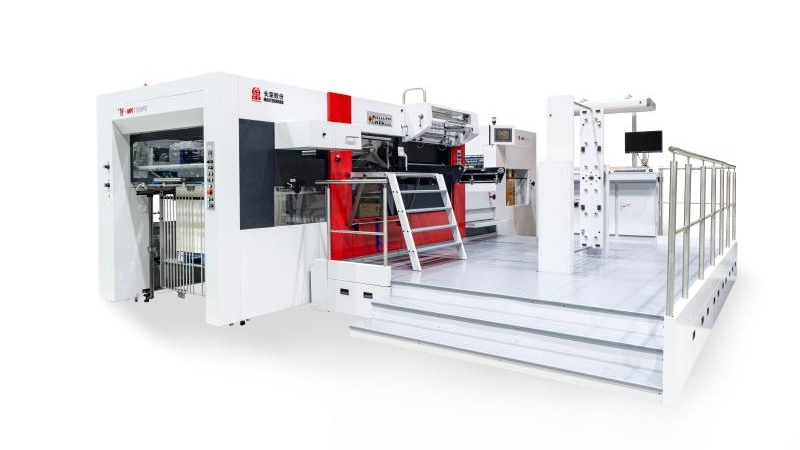
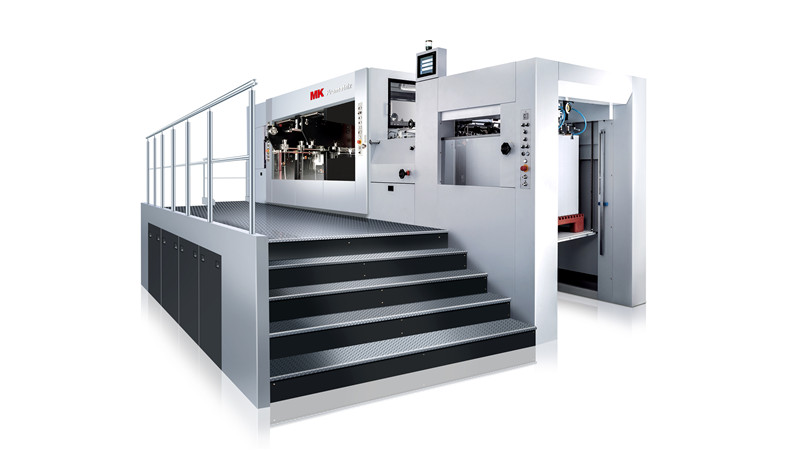
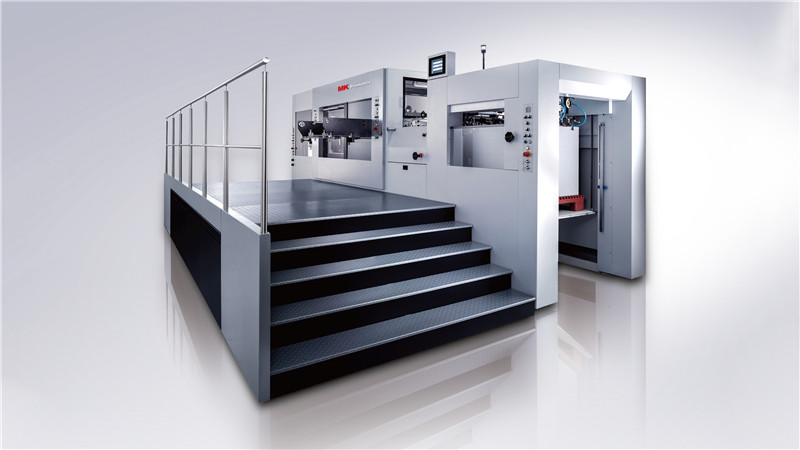
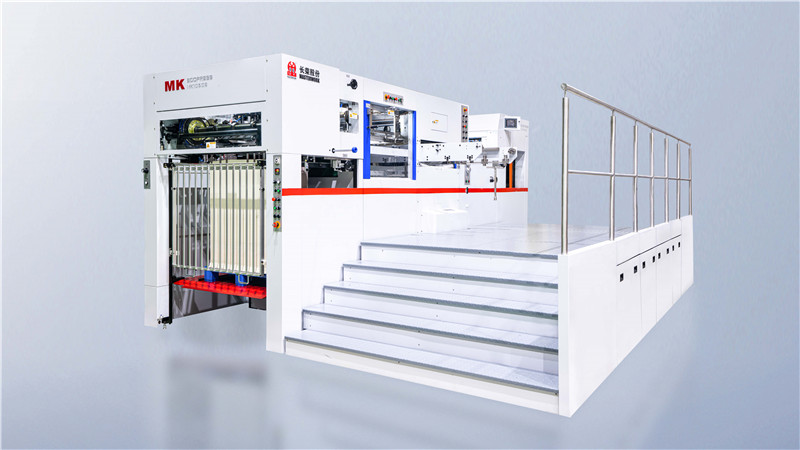
The modern Automatic die cutting machine has evolved far beyond traditional mechanical systems.
Today’s machines feature:
Servo-driven precision control
Automatic feeding systems
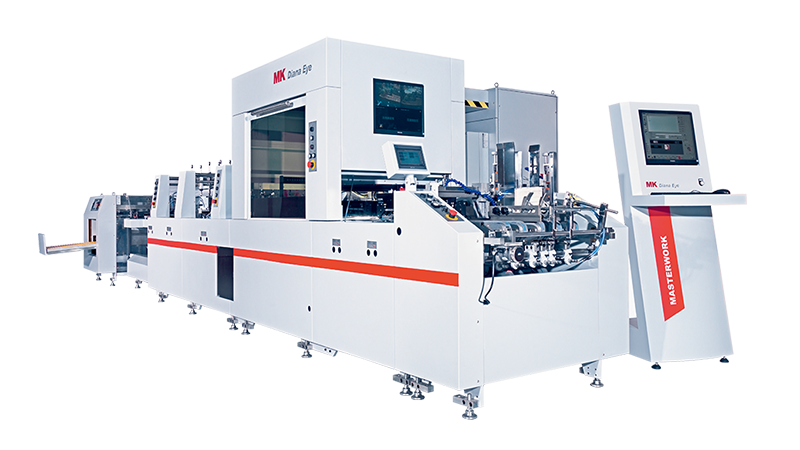
Vision inspection technology
AI-assisted registration correction
Remote diagnostics
Self-calibration systems
These innovations improve both speed and accuracy while reducing operator dependency.
Higher Operating Speeds
Modern machines can process significantly higher volumes while maintaining precision.
Reduced Labor Requirements
Automation minimizes manual intervention and reduces labor costs.
Improved Accuracy
Smart sensors and camera systems ensure consistent alignment and cut quality.
Lower Downtime
Predictive maintenance systems identify wear before failures occur.
Better Integration
Machines now integrate directly with ERP and MES systems for production planning.
For large-scale packaging manufacturers, investing in a high-performance Automatic die cutting machine has become essential for maintaining competitiveness.
Artificial intelligence is becoming one of the most important packaging automation trends in 2026.
AI systems are now being used to:
Optimize production scheduling
Predict machine failures
Improve cutting accuracy
Reduce material waste
Detect defects in real time
Machine learning algorithms analyze production data continuously and adjust machine parameters automatically.
For example, an AI-enabled Automatic die cutting machine can automatically optimize pressure settings based on:
Material thickness
Humidity changes
Cutting complexity
Production speed
This reduces setup time while improving consistency.
Environmental regulations and consumer expectations are strongly influencing packaging automation investments.
Packaging manufacturers are under pressure to:
Reduce material waste
Lower energy consumption
Increase recyclable packaging production
Improve production efficiency
As a result, equipment suppliers are developing more sustainable systems.
New-generation Automatic die cutting machines consume less electricity through optimized motor systems.
Digital nesting systems improve sheet utilization and minimize scrap.
Machines are increasingly designed to process recyclable and biodegradable materials.
Digital workflows reduce reliance on traditional processing chemicals.
Digital die cutting technology is particularly important in sustainability initiatives because it enables precise cutting with less material waste.
Consumer demand for personalized products is changing the packaging industry.
Brands increasingly require:
Limited-edition packaging
Regional packaging variations
Seasonal packaging
Personalized product designs
Small-batch production
Traditional manufacturing methods struggle with this level of flexibility.
Digital die cutting technology and automated production systems allow manufacturers to handle frequent design changes efficiently while maintaining profitability.
This trend is especially strong in:
Cosmetics packaging
Food and beverage packaging
E-commerce packaging
Luxury product packaging
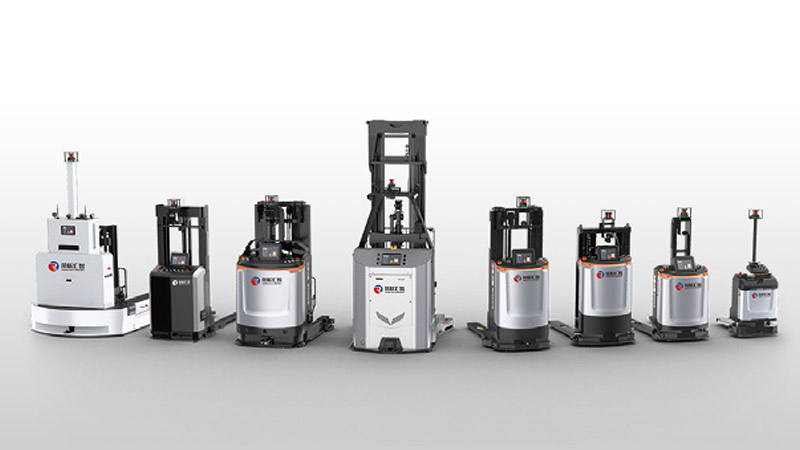
Robotics integration is becoming another major packaging automation trend in 2026.
Packaging plants are deploying robots for:
Material handling
Sheet loading
Stacking and palletizing
Quality inspection
Waste removal
Collaborative robots (cobots) are also gaining popularity because they can safely work alongside human operators.
When integrated with an Automatic die cutting machine, robotic systems can create fully automated production cells that operate continuously with minimal labor involvement.
Cloud manufacturing platforms are changing how packaging facilities operate.
Cloud-connected packaging systems provide:
Real-time production monitoring
Remote troubleshooting
Centralized data analysis
Multi-factory coordination
Predictive analytics
Managers can monitor machine performance from any location and respond quickly to production issues.
This trend is especially important for multinational packaging companies operating multiple facilities worldwide.
Many manufacturers are no longer choosing between traditional die cutting and digital systems. Instead, they are adopting hybrid production strategies.
A common workflow in 2026 includes:
Using digital die cutting technology for prototyping and short runs
Transitioning to traditional high-speed die cutting for mass production
Combining automated inspection and robotic handling throughout the process
This hybrid model offers both flexibility and large-scale efficiency.
Modern packaging automation systems generate massive amounts of production data.
Manufacturers now analyze:
Machine utilization
Downtime frequency
Production yield
Energy efficiency
Material waste rates
This data helps companies optimize production continuously.
Advanced Automatic die cutting machines now include built-in analytics dashboards that provide actionable insights for operators and managers.
Data-driven manufacturing is quickly becoming a competitive necessity rather than an optional upgrade.
Despite rapid growth, companies still face several challenges:
Advanced automation systems require significant capital expenditure.
Operators must learn digital workflows and smart manufacturing systems.
Integrating new automation equipment with existing production lines can be difficult.
Connected factories face growing cybersecurity concerns.
However, most manufacturers view these challenges as manageable compared to the long-term efficiency gains.
The packaging industry in 2026 is being transformed by intelligent automation, digital manufacturing, and data-driven production systems. The rise of digital die cutting technology, AI-enabled workflows, robotics, and smart factory integration is redefining how packaging products are designed and manufactured.
At the center of this transformation is the modern Automatic die cutting machine, which has evolved into a highly intelligent, connected, and efficient production platform.
Companies that embrace these packaging automation trends will be better positioned to:
Reduce operational costs
Improve production flexibility
Accelerate time-to-market
Achieve sustainability goals
Compete in increasingly dynamic global markets
As customization and automation continue to reshape the industry, packaging manufacturers that invest early in advanced technologies will gain the strongest long-term competitive advantage.
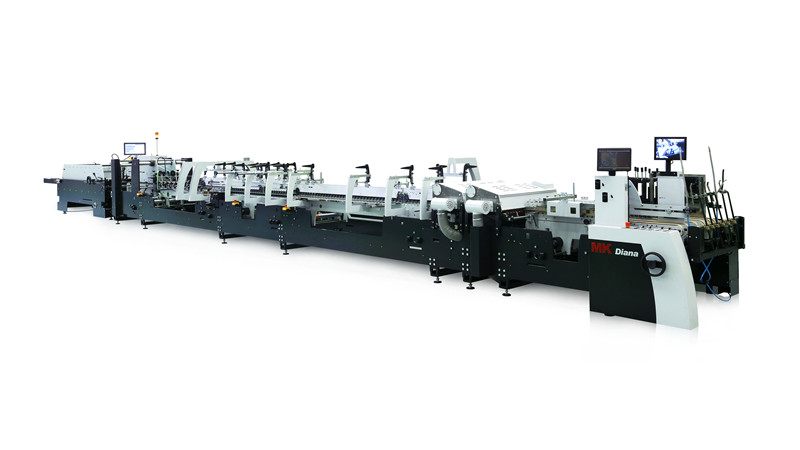
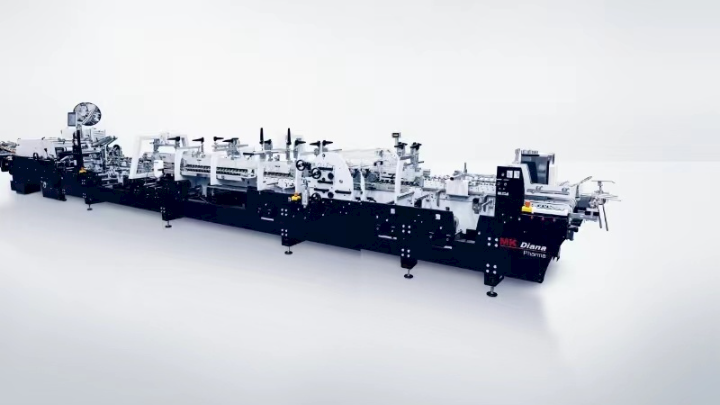
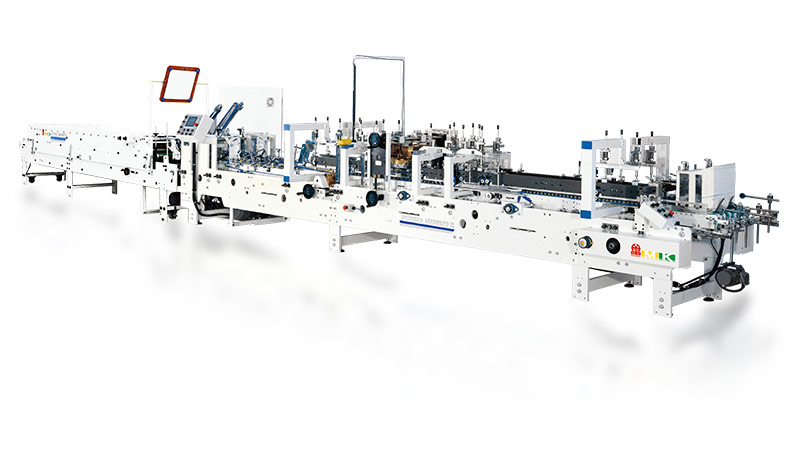
For companies seeking advanced packaging automation solutions, high-performance die cutting systems, or intelligent post-press equipment, MK Masterwork provides a wide range of professional solutions for modern packaging production lines, including digital and fully automatic die cutting technologies designed for high-efficiency manufacturing.You can click here to consult our technical team regarding modern, intelligent packaging solutions.
Products
Contact us
Related Information
Content

We look forward to hearing from you. In order to respond to your message more quickly, we need some information. *These are required