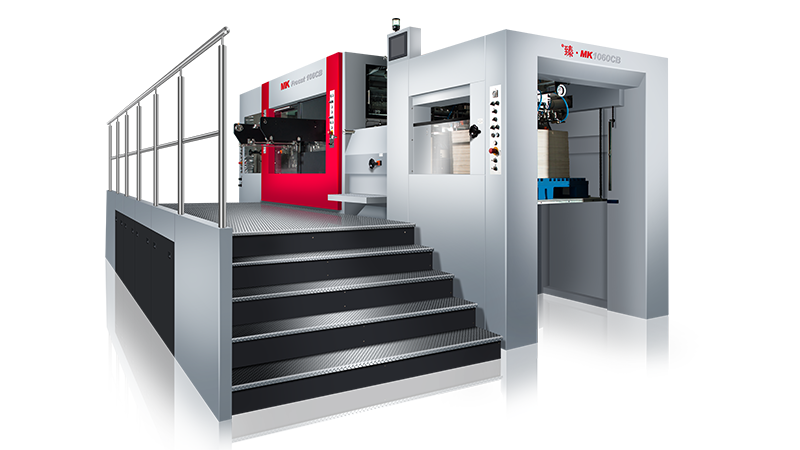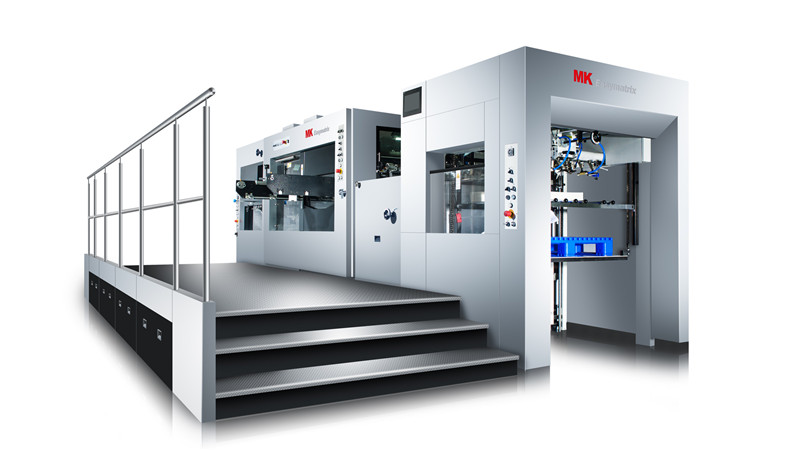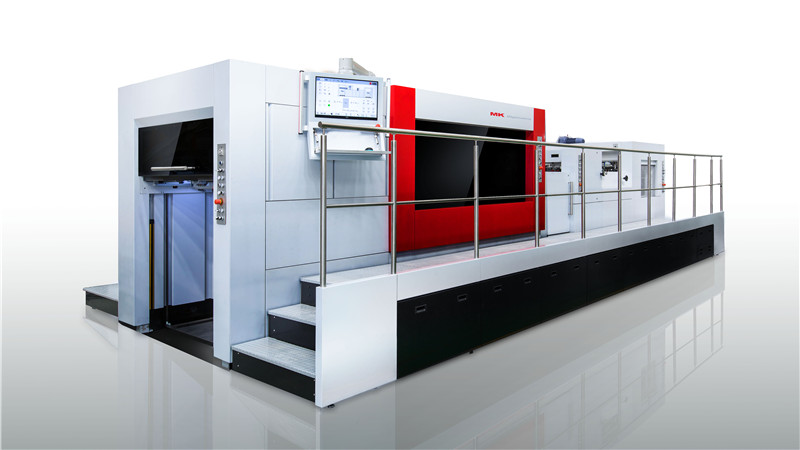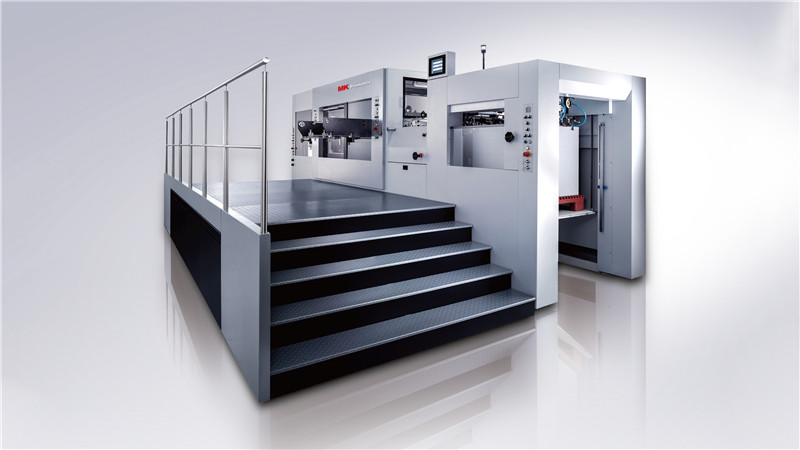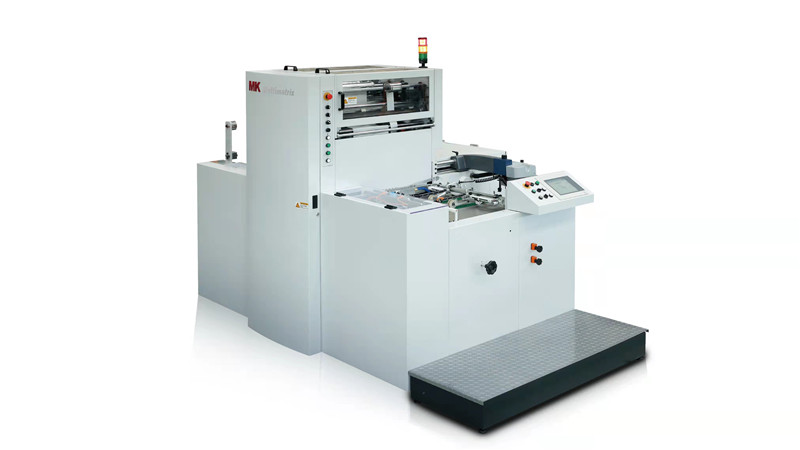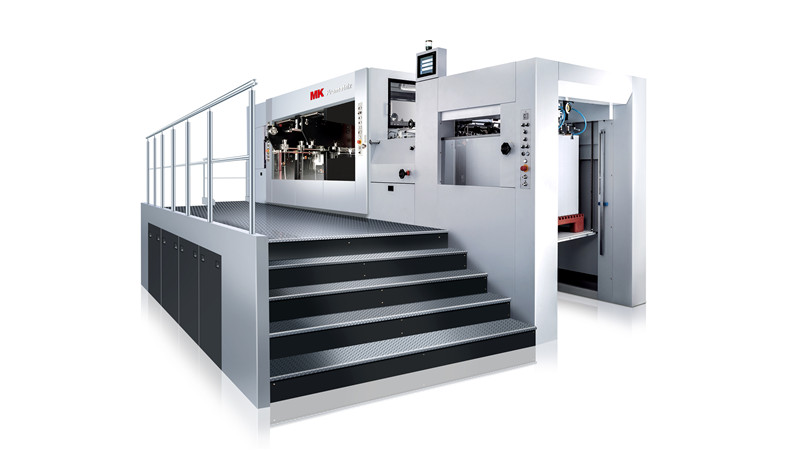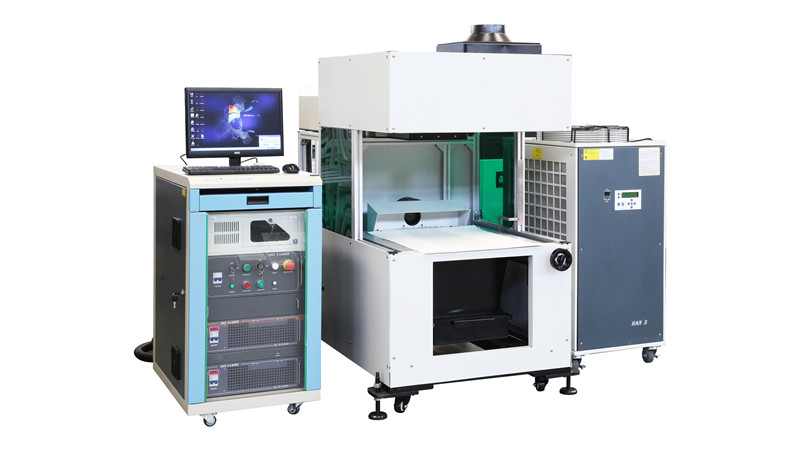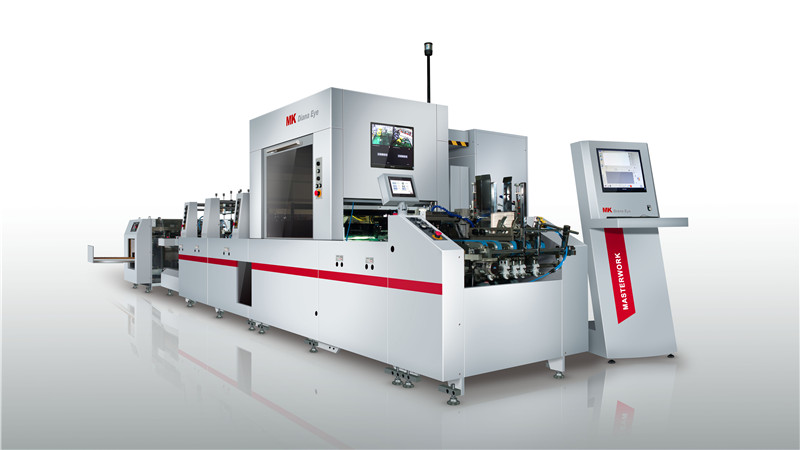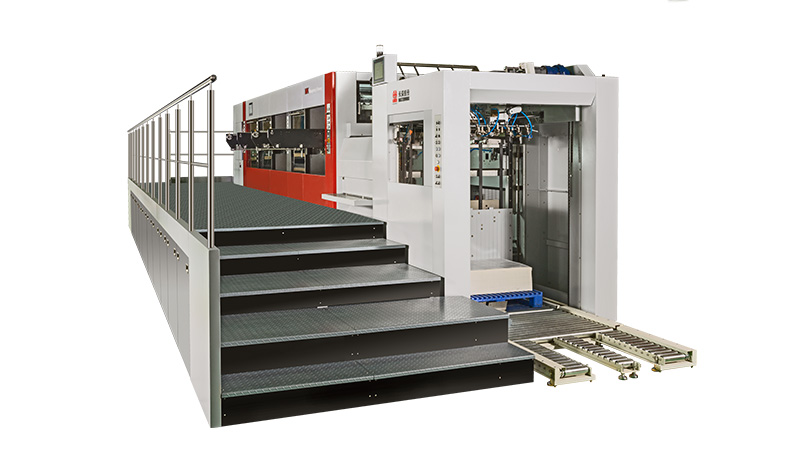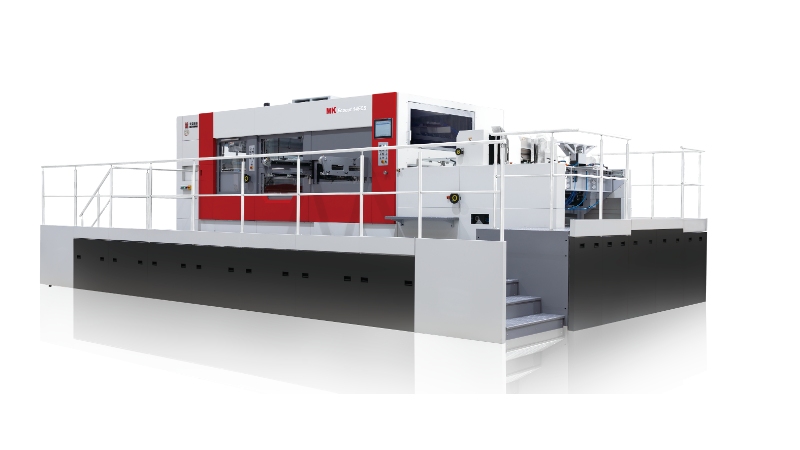
Hot foil stamping is widely used in packaging production to create premium visual effects on products such as cosmetic boxes, gift packaging, pharmaceutical cartons, and luxury paper products. However, choosing the right hot foil stamping machine is not simply about selecting a machine with higher speed or larger capacity.
Different packaging applications require different levels of stamping accuracy, pressure control, heating stability, and automation. Before investing in a hot foil stamping machine, manufacturers need to evaluate their production requirements, materials, and long-term operating goals to ensure the equipment matches their actual needs.
The first step in selecting a hot foil stamping machine is understanding your production environment and product requirements.
Packaging manufacturers should consider factors such as:
Type of packaging products
Daily or monthly production volume
Size of stamping area
Required stamping accuracy
Variety of materials being processed
For example, a small packaging workshop producing customized gift boxes may prioritize flexibility and easy operation, while a large-scale carton manufacturer may require an automatic hot foil stamping machine with higher productivity and stable continuous operation.
Clearly defining your production requirements helps avoid choosing equipment that is either insufficient for future growth or unnecessarily complex for current needs.
Hot foil stamping machines are available in different configurations, mainly including manual, semi-automatic, and automatic models.
Manual machines are generally suitable for small-batch production, sampling, and customized packaging projects.
Their advantages include:
Lower initial investment
Simple operation
Flexible adjustment for different jobs
However, manual operation usually requires more labor involvement and is less suitable for high-volume commercial production.
Semi-automatic machines provide a balance between flexibility and production efficiency.
They are commonly used by packaging companies that need:
More stable output than manual equipment
Moderate production capacity
Better consistency between stamping jobs
This type of machine is often suitable for medium-scale packaging manufacturers.
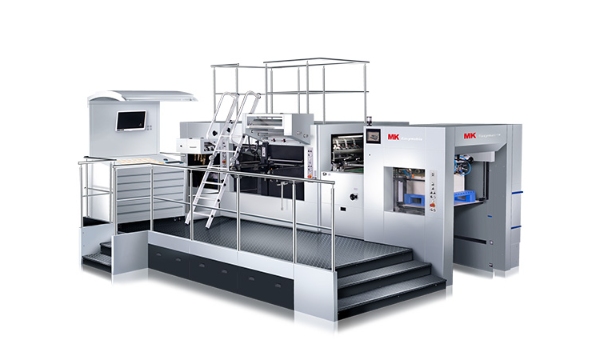
Automatic hot foil stamping machines are designed for continuous industrial production.
They typically offer:
Higher production speed
Improved registration accuracy
Reduced manual operation
More consistent stamping quality
For large packaging factories handling high-volume orders, automation can improve production efficiency and reduce labor dependence.
Machine specifications directly affect stamping quality and production performance. Several important factors should be evaluated before purchase.
Sufficient and stable pressure is essential for achieving clear foil transfer.
Different packaging materials require different pressure levels. Materials with textured surfaces or thicker structures may need stronger pressure control, while delicate paper products require more precise adjustment to prevent damage.
Temperature stability plays an important role in foil adhesion.
If the temperature is too low, the foil may not transfer completely. If the temperature is too high, it may affect the material surface or reduce stamping quality.
A reliable heating system helps maintain consistent results during long production cycles.
For packaging designs containing fine text, detailed patterns, or multiple decorative elements, accurate positioning is critical.
High registration accuracy helps ensure that:
Logos are correctly positioned
Decorative patterns remain consistent
Multiple stamping areas align properly
This is especially important for premium packaging where appearance directly affects product perception.
Higher speed does not always mean better performance. The ideal machine speed depends on product requirements, material characteristics, and quality expectations.
A suitable machine should balance:
Output capacity
Stamping quality
Machine stability
Maintenance requirements
Packaging materials vary significantly, and not every hot foil stamping machine performs equally on all substrates.
Common materials used for foil stamping include:
Coated paperboard
Kraft paper
Cardboard
Rigid boxes
Laminated packaging materials
Each material has different surface properties, thickness, and heat absorption characteristics.
For example, smooth coated paperboard usually allows sharp and detailed foil transfer, while textured or recycled materials may require optimized temperature and pressure settings.
Before purchasing equipment, manufacturers should test the machine with their actual packaging materials to confirm stamping quality.
Packaging trends continue to change, with manufacturers often handling more diverse products and shorter production cycles.
A suitable hot foil stamping machine should provide enough flexibility for future requirements, such as:
Different packaging sizes
Various foil materials
Multiple stamping designs
Changing order volumes
Features such as easier setup, adjustable parameters, and compatibility with different production processes can help manufacturers respond more efficiently to market changes.
The machine itself is only one part of a successful stamping operation. Supplier support also affects long-term production performance.
Before choosing a supplier, manufacturers should evaluate:
Machine installation and commissioning support
Technical training
Spare parts availability
Maintenance services
Application experience with similar packaging products
A supplier with strong technical support can help customers optimize machine settings and improve production stability after installation.
Choosing the right hot foil stamping machine requires a complete evaluation of production requirements, material compatibility, automation level, and long-term operating needs.
Instead of focusing only on machine speed or price, packaging manufacturers should select equipment that can deliver consistent stamping quality, efficient operation, and reliable performance for their specific applications.
By understanding your products, production volume, and processing requirements, you can make a more informed decision and choose a hot foil stamping solution that supports your packaging business growth.
Products
Contact us
Related Information
Content

We look forward to hearing from you. In order to respond to your message more quickly, we need some information. *These are required