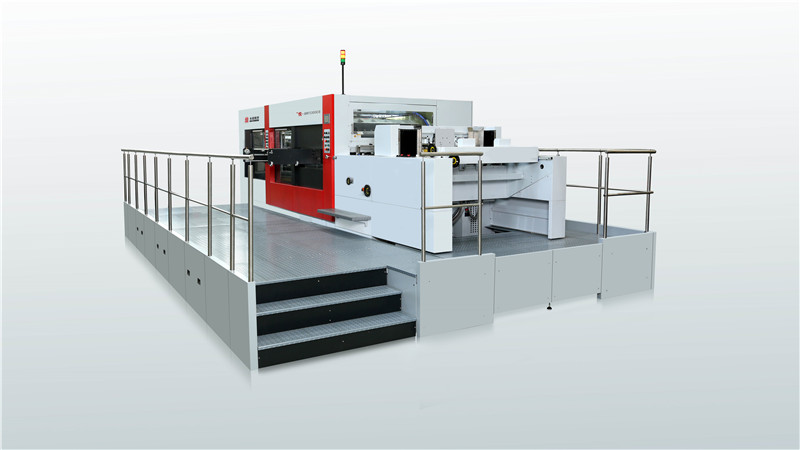
In packaging production, an automatic die cutting machine can process thousands of sheets per hour. However, high operating speed does not always translate into high daily output. Frequent job changes, tooling adjustments, and repeated test runs can consume valuable production time.
This challenge is especially common in folding carton and corrugated packaging plants handling multiple box sizes, materials, and order quantities.
Reducing setup time requires more than changing cutting dies faster. It also involves preparing tooling in advance, simplifying machine adjustments, improving operator workflows, and maintaining consistent cutting quality.
With the right approach, manufacturers can make better use of their automatic die cutting machines without sacrificing production accuracy.
Setup time, also called makeready time, is the time required to prepare a machine for a new production job.
For a practical measurement, changeover time can be defined as the period between the last acceptable sheet of the previous job and the first approved sheet of the next job.
A typical setup process includes:
Tooling preparation: Removing the previous cutting die and installing the new one.
Machine adjustments: Setting cutting pressure, sheet registration, and feeding parameters.
Stripping and blanking setup: Adjusting waste-removal tools and finished-carton separation equipment.
Test runs: Checking cutting accuracy, creasing quality, and waste removal before full production.
When these operations require repeated manual adjustments, even a high-speed machine may spend a considerable portion of a shift waiting for the next job to begin.
For manufacturers producing short runs or frequently changing carton designs, reducing these delays can have a significant impact on production capacity.
One of the simplest ways to reduce changeover time is to move as much preparation work as possible outside the machine.
Instead of waiting until the equipment stops, operators can prepare the next job while the current production run continues.
Before the changeover, confirm that:
Cutting dies match the approved carton design and dimensions.
Cutting rules, creasing rules, and rubber components are in good condition.
Stripping and blanking tools are prepared for the next layout.
The required paperboard or corrugated material is available.
Job specifications and previous production records are accessible.
Where compatible preparation equipment is available, tooling can be assembled or checked away from the running machine.
This approach allows operators to focus on installing and adjusting the prepared tools rather than searching for components or completing unnecessary assembly work after the machine has stopped.
Installing and securing cutting dies can be a time-consuming part of the setup process, particularly when conventional fastening methods require several manual steps.
Quick-lock chase systems simplify tool positioning and locking, helping operators reduce the time required to replace cutting dies.
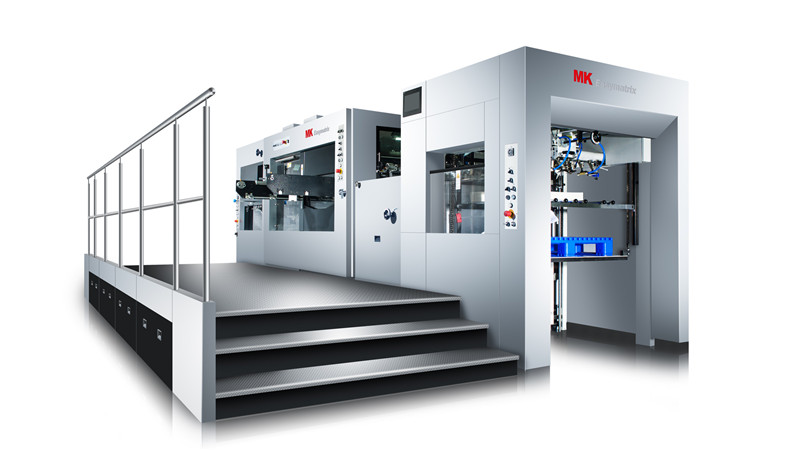
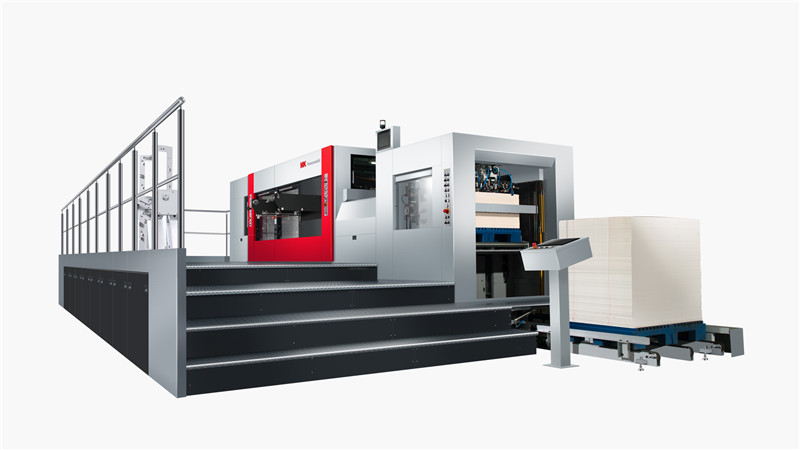
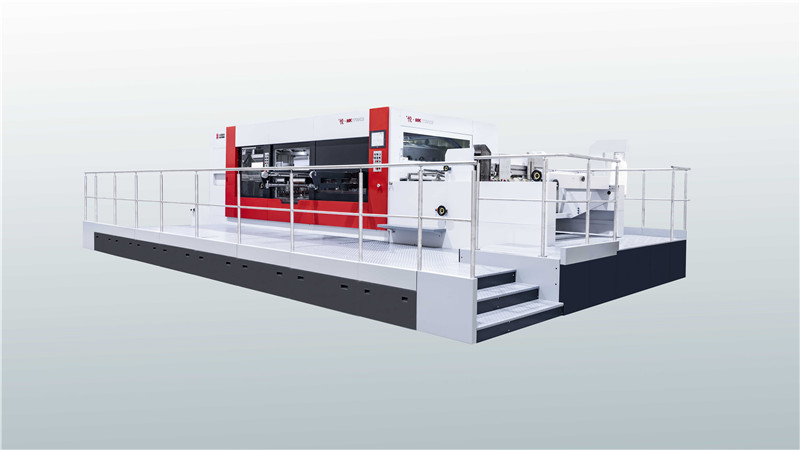
For example, MK Masterwork's Promatrix 106CSB incorporates a quick-lock chase and pneumatic locking system for the die-cutting station. An optional chase changer and pre-makeready table are also available.
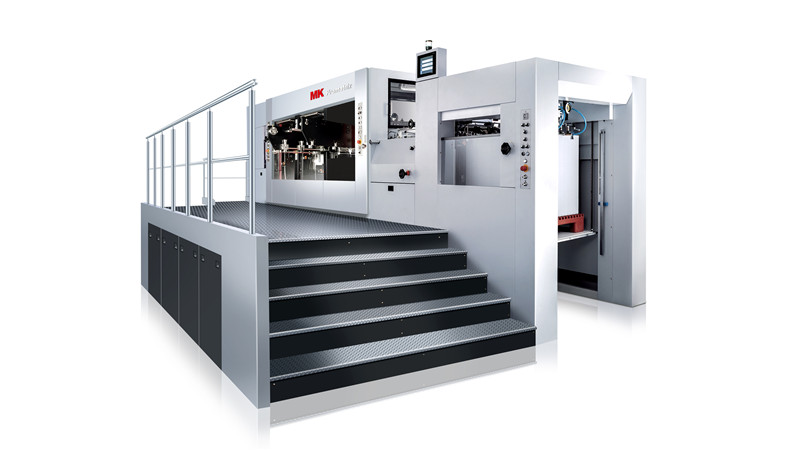
MK Masterwork Promatrix 106CSB
These features help simplify tool handling and support preparation for upcoming jobs.
The main benefits include:
Fewer manual fastening operations during die changes.
More convenient installation and removal of tooling.
Less time spent on repetitive mechanical adjustments.
Improved consistency when following standardized changeover procedures.
However, quick-lock systems do not eliminate the need to inspect tool positioning and verify cutting quality. Tool replacement must always follow the manufacturer's safety procedures.
Packaging manufacturers often receive repeat orders for the same carton designs. Repeating every adjustment from the beginning wastes time and increases the possibility of inconsistent settings.
A practical solution is to save previously approved production parameters.
Depending on the machine's control capabilities, useful records may include:
Sheet size and material specifications.
Feeder positioning parameters.
Cutting pressure settings.
Registration settings.
Delivery and related operating parameters.
When the same job returns, operators can use these records as a starting point rather than relying entirely on manual adjustments.
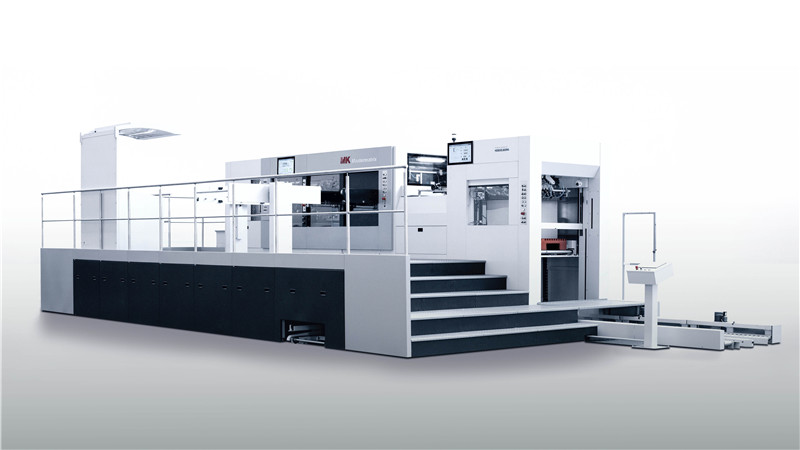
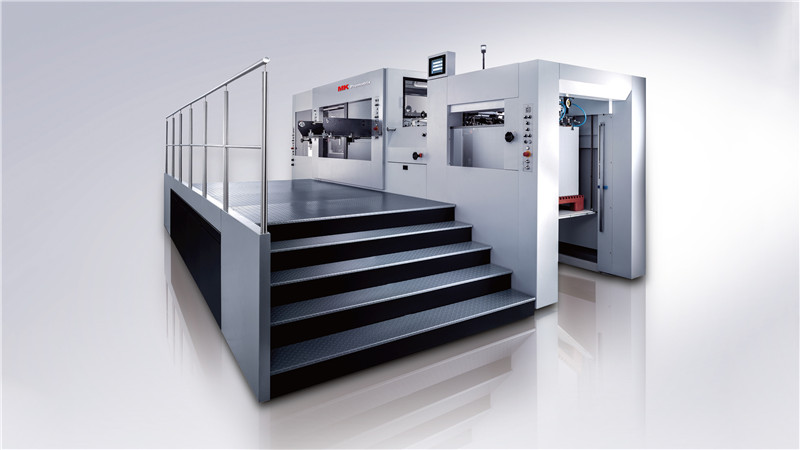
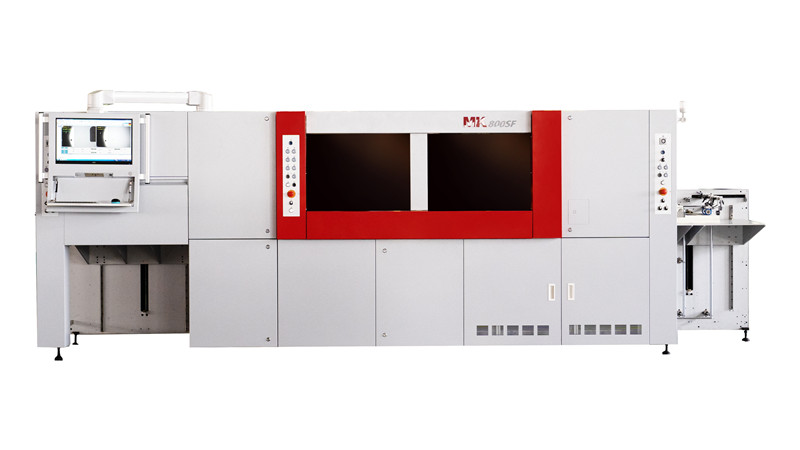
MK Masterwork Mastermatrix 106CSB
The Mastermatrix 106CSB from MK Masterwork supports production order recipe management and fast job switching. Its feeder also provides automatic positioning functions based on work order data.
These capabilities are particularly valuable for production environments handling frequent repeat orders.
Saved settings should still be checked against current material conditions, tooling wear, and production requirements before restarting full-speed operation.
Not every setup delay comes from cutting dies. Feeding and registration adjustments can also increase the time required to start a new job.
Different paperboard thicknesses, sheet sizes, coatings, and surface conditions may require different feeding settings.
To make the process more efficient, operators should follow a consistent sequence:
Confirm the sheet dimensions, material type, and feeding direction.
Inspect the paper pile for uneven edges, warping, or damaged sheets.
Set the feeder and sheet separation components according to the material.
Check front and side registration before fine-tuning cutting pressure.
Run test sheets at a controlled speed to verify stable feeding.
Addressing feeding and registration first helps avoid unnecessary adjustments elsewhere in the machine.
For example, if sheets are not reaching the registration position consistently, repeatedly adjusting the cutting die may not solve the underlying problem.
A systematic setup process helps operators identify the actual cause instead of making multiple corrections through trial and error.
On automatic die cutting machines equipped with stripping and blanking stations, the setup process involves more than the cutting station alone.
Stripping tools must remove waste material effectively, while blanking equipment must separate finished cartons according to the required layout.
Poorly prepared tools can cause additional adjustments and delays before production begins.
Several practices can help:
Prepare stripping and blanking tools before machine changeover.
Use compatible quick-lock and positioning systems where available.
Verify the alignment between cutting, stripping, and blanking tools.
Check waste removal and carton separation during initial test runs.
The objective is to complete these adjustments in a logical sequence and avoid repeatedly stopping the machine to correct problems that could have been identified earlier.
For packaging manufacturers producing complex carton layouts, the ease of setting up stripping and blanking stations should be considered alongside cutting speed when evaluating equipment.
Cutting pressure must be sufficient to produce clean cuts and properly formed creases without damaging the material or tooling.
Incorrect settings may result in incomplete cutting, uneven edges, damaged creases, or excessive wear on cutting rules.
These defects often require operators to stop the machine, adjust pressure, and produce additional test sheets.
To reduce repeated adjustments:
Inspect cutting dies and plates before installation.
Keep relevant machine surfaces clean and in good condition.
Use previous approved settings as a reference for repeat jobs.
Check the cutting and creasing quality across the sheet.
Make controlled corrections rather than increasing overall pressure unnecessarily.
If a particular area repeatedly fails to cut correctly, the operator should investigate possible tooling or pressure-distribution issues instead of continually increasing total cutting force.
Efficient setup means reaching acceptable quality with fewer adjustment cycles, not simply completing the first test run as quickly as possible.
Even with advanced automation, operator experience and equipment condition still influence setup efficiency.
Different operators may follow different setup sequences, use different parameter references, or spend varying amounts of time troubleshooting the same problem.
Standardized training helps establish a more consistent process.
Manufacturers should provide operators with clear instructions for die installation, registration, pressure adjustment, quality inspection, and safe tool changes.
Preventive maintenance is equally important. Worn components, dirty machine surfaces, and poorly maintained positioning mechanisms can increase setup difficulty and create repeated problems.
MK Masterwork provides technical services and training covering equipment operation, commissioning, troubleshooting, maintenance, and related support.
Combining appropriate machine features with consistent operator procedures helps manufacturers maintain more predictable changeover performance over time.
The benefits of shorter setup times depend on how frequently a packaging plant changes jobs.
Consider a hypothetical production line completing six job changes per shift.
| Production factor | Before improvement | After improvement |
|---|---|---|
| Average setup time | 45 minutes | 33 minutes |
| Job changes per shift | 6 | 6 |
| Total setup time | 270 minutes | 198 minutes |
| Time recovered per shift | — | 72 minutes |
In this example, reducing the average changeover by 12 minutes recovers 72 minutes of scheduled production time per shift.
That additional time could be used to process more orders or accommodate unexpected production requirements, provided materials, labor, and downstream capacity are available.
These figures are illustrative rather than guaranteed machine performance results.
The most useful measure is not simply how quickly a cutting die can be replaced. It is the total time required to move from the previous approved job to the next approved production run.
Before introducing new equipment or changing existing procedures, manufacturers can review each stage of their current setup process.
| Setup stage | Recommended action |
|---|---|
| Before machine stoppage | Prepare materials, cutting dies, job records, and compatible tooling |
| Tool replacement | Follow approved quick-lock or conventional tool-changing procedures |
| Feeder adjustment | Verify sheet dimensions, pile condition, and registration |
| Cutting setup | Use previous settings as a reference and confirm pressure distribution |
| Stripping and blanking | Check tool alignment, waste removal, and carton separation |
| First-sheet inspection | Approve cutting accuracy, creasing quality, and finished blanks |
| After changeover | Record setup time, rejected sheets, and any recurring problems |
This checklist can be adapted to different machine configurations and packaging applications.
Over time, production managers can identify which steps consistently take the longest and prioritize improvements accordingly.
Not necessarily.
A machine with a higher maximum operating speed may still produce less usable output over a shift if it requires lengthy preparation between jobs.
Consider two machines operating in a packaging plant with frequent order changes.
One machine has a higher rated cutting speed but requires extensive manual setup. Another operates at a slightly lower speed but offers faster tool changes and more convenient parameter adjustments.
For short production runs, the second machine may provide better overall productivity because less scheduled time is lost between orders.
For long, uninterrupted production runs, operating speed may have a greater influence on total output.
Therefore, buyers evaluating an automatic die cutting machine should consider both running speed and changeover efficiency, particularly when processing multiple carton designs each day.
Yes. Better tooling preparation, standardized operating procedures, organized job records, operator training, and preventive maintenance can all help reduce unnecessary setup delays.
The effectiveness of these measures depends on the existing machine configuration and the causes of current downtime.
A quick-lock chase simplifies the installation and securing of cutting dies, reducing some of the manual fastening work involved in conventional tool changes.
However, registration, cutting pressure, and production quality still need to be verified before full operation.
Not necessarily. A well-organized setup process can reduce unnecessary test runs and repeated adjustments.
The objective should be to reach the required production quality more efficiently, rather than skipping inspection steps to start the machine sooner.
In addition to maximum speed, buyers should evaluate tool-changing methods, feeder preset functions, job-setting management, stripping and blanking setup, operator accessibility, and service support.
A practical machine demonstration using the buyer's actual materials and carton designs can provide a more useful assessment of changeover efficiency than speed specifications alone.
Reducing setup time on an automatic die cutting machine requires a combination of preparation, machine capabilities, and consistent operating procedures.
For packaging manufacturers handling frequent job changes, the most effective improvements often begin with preparing tooling in advance, simplifying die replacement, reusing approved settings, and standardizing quality checks.
By measuring changeover time and addressing recurring bottlenecks, manufacturers can improve productive machine utilization while maintaining cutting and creasing quality.
When evaluating new equipment, the priority should be a machine configuration that matches the plant's materials, order sizes, changeover frequency, and production workflow—not maximum cutting speed alone.
Products
Contact us
Related Information
Content

We look forward to hearing from you. In order to respond to your message more quickly, we need some information. *These are required