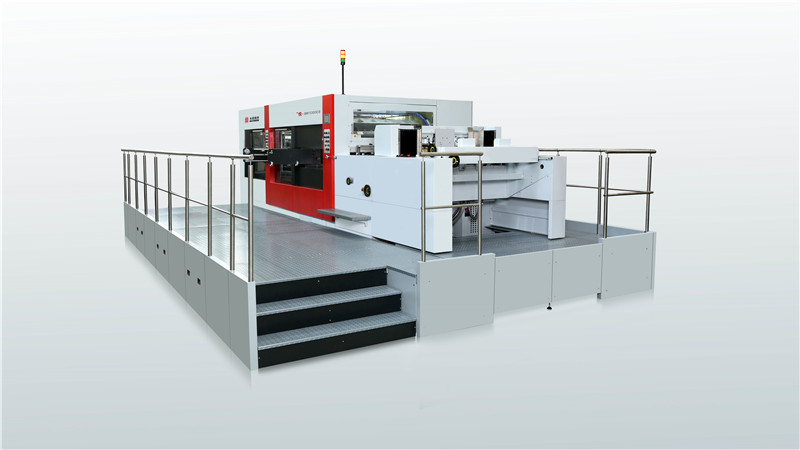
If you're investing in a die-cutting machine, it's natural to assume that a faster machine will deliver better productivity. However, speed alone does not determine production efficiency. The best die-cutting machine is one that combines high operating speed with excellent cutting accuracy, machine stability, automation, and low operating costs.
In many production environments, a slightly slower but more reliable automatic die-cutting machine can generate higher overall output than a machine that frequently stops or produces defects. This article explains why speed should be evaluated together with several other performance factors before purchasing new equipment.
Production speed remains one of the most important specifications when comparing a die-cutting machine. A higher sheet-per-hour rating allows manufacturers to complete more jobs within the same working shift, improving delivery times and increasing production capacity.
A faster die-cutting machine can help manufacturers:
Increase daily output
Reduce production costs per unit
Meet tight customer deadlines
Improve equipment utilization
Expand production capacity without adding additional machines
For high-volume packaging converters, even a small increase in production speed can significantly improve annual productivity.
However, the fastest machine is not always the most efficient one.
A die-cutting machine operating at high speed must also maintain exceptional cutting accuracy.
Poor registration may result in:
Misaligned cuts
Incomplete stripping
Damaged cartons
Material waste
Customer complaints
Luxury packaging, pharmaceutical cartons, cosmetics, and premium food packaging require extremely tight tolerances. In these applications, precision is often more valuable than maximum operating speed.
An advanced automatic die-cutting machine maintains consistent cutting accuracy throughout long production runs, ensuring every sheet meets quality standards.
Many equipment suppliers advertise maximum machine speed, but experienced production managers pay closer attention to continuous production speed.
If a machine frequently stops because of feeding problems, paper jams, or registration adjustments, actual production output may be much lower than its advertised speed.
A stable die-cutting machine offers:
Fewer production interruptions
Consistent sheet feeding
Stable pressure control
Better product quality
Lower maintenance requirements
In many factories, a machine running steadily at 8,000 sheets per hour produces more finished products than one rated for 10,000 sheets per hour but requiring frequent downtime.
Production efficiency begins long before the machine reaches full speed.
Many packaging converters process dozens of different jobs every day, making setup time one of the largest hidden costs.
Modern die-cutting machines reduce setup time through intelligent automation, including:
Automatic pressure adjustment
Digital job memory
Quick die replacement
Automatic registration systems
User-friendly touch-screen controls
Reducing setup time allows operators to spend more time producing and less time preparing the machine.
Today's automatic die-cutting machine is far more intelligent than traditional equipment.
Advanced automation features may include:
Automatic feeder adjustment
Non-stop feeder systems
Automatic waste stripping
Blank separating
Real-time production monitoring
Intelligent fault diagnosis
Automatic lubrication systems
Automation reduces manual intervention, improves consistency, and lowers labor costs while maintaining stable production throughout long shifts.
For many manufacturers, automation contributes more to productivity than increasing machine speed alone.
Every packaging material behaves differently during die cutting.
A professional die-cutting machine should process a wide variety of substrates, including:
Folding carton
Corrugated board
Heavy paperboard
Laminated materials
Specialty packaging materials
Printed paper
The ability to maintain both speed and accuracy across different materials is a key indicator of machine quality.
The purchase price is only one part of the total ownership cost.
Running a die-cutting machine at extremely high speeds may increase:
Energy consumption
Spare parts replacement
Mechanical wear
Maintenance frequency
Downtime risk
A machine with slightly lower operating speed but superior reliability often provides a better return on investment over its service life.
Rather than focusing only on machine speed, buyers should evaluate several key factors.
Ask the following questions before purchasing a die-cutting machine:
What is my average production volume?
How often do I change jobs?
Which materials do I process?
What level of automation do I need?
How important is cutting precision?
What is my expected production growth over the next five years?
The answers will help determine which machine delivers the highest long-term value.
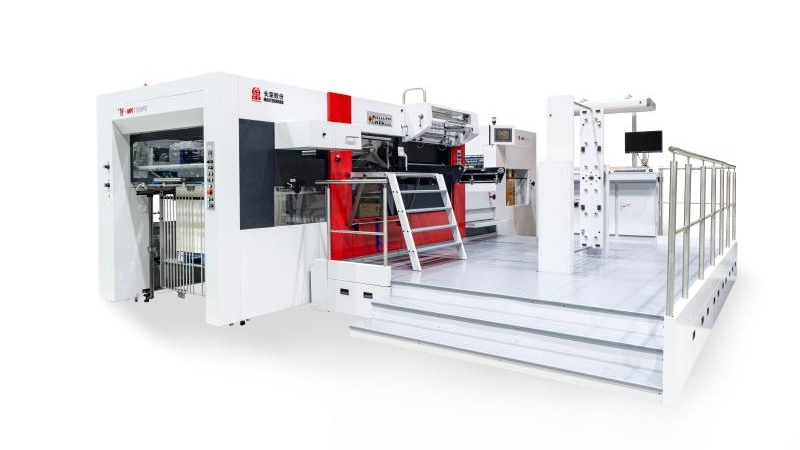
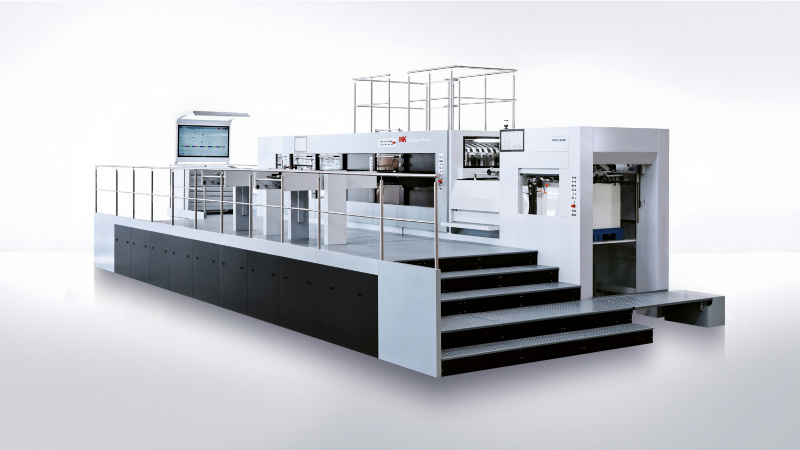
For companies seeking a balance between speed, precision, and reliability, MK Masterwork has become a trusted global supplier of automatic die-cutting machines.
Rather than simply pursuing higher sheet-per-hour ratings, MK Masterwork focuses on optimizing the entire production workflow. Its machines combine:
High-speed production
Excellent cutting accuracy
Intelligent control systems
Stable feeding performance
Automatic stripping
Blank separating
Fast job changeovers
Reliable long-term operation
These technologies enable packaging manufacturers to improve overall equipment effectiveness while reducing waste, labor costs, and production downtime.
Whether producing folding cartons, pharmaceutical packaging, cosmetics, food packaging, or luxury products, MK Masterwork provides industrial die-cutting machine solutions designed for modern packaging production.
A faster die-cutting machine is not always the better investment.
The most productive machine is one that balances speed with precision, stability, automation, material compatibility, and long-term reliability.
When evaluating an automatic die-cutting machine, manufacturers should look beyond the maximum sheets-per-hour specification and focus on overall production efficiency. A well-designed machine that delivers consistent performance every day will create greater value than one that simply advertises the highest speed.
For packaging companies planning long-term growth, investing in a balanced, high-performance solution such as those offered by MK Masterwork can improve productivity, reduce operating costs, and ensure consistent product quality for years to come.
Products
Contact us
Related Information
Content

We look forward to hearing from you. In order to respond to your message more quickly, we need some information. *These are required