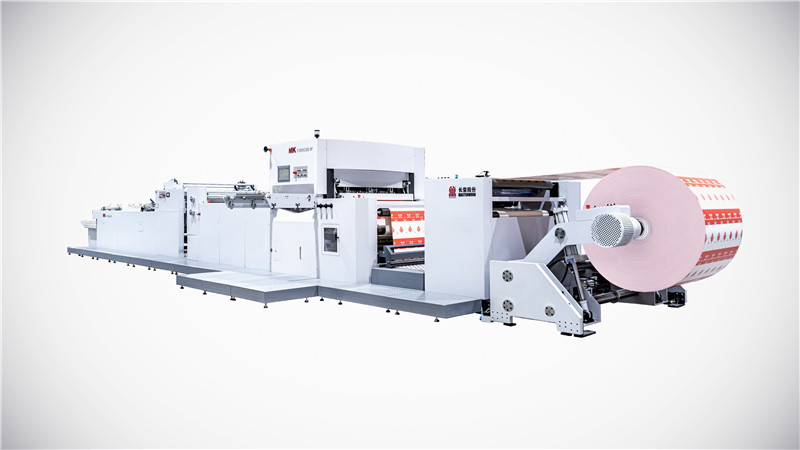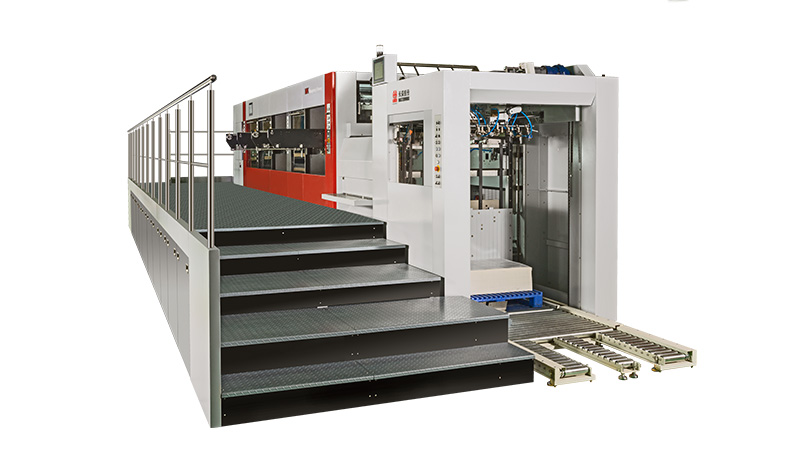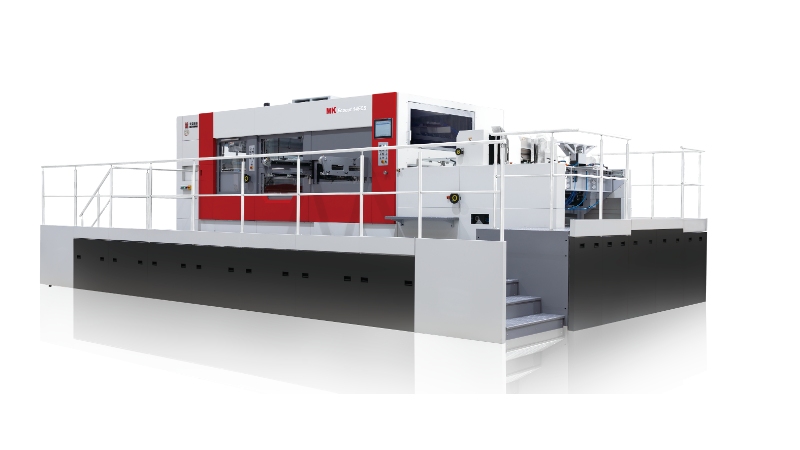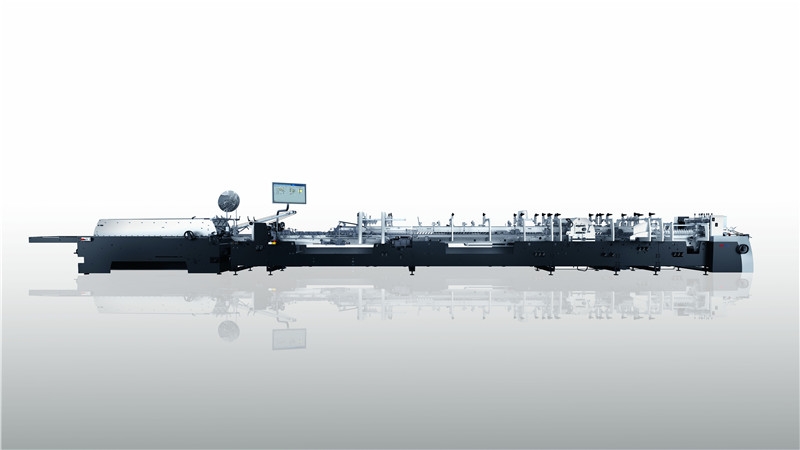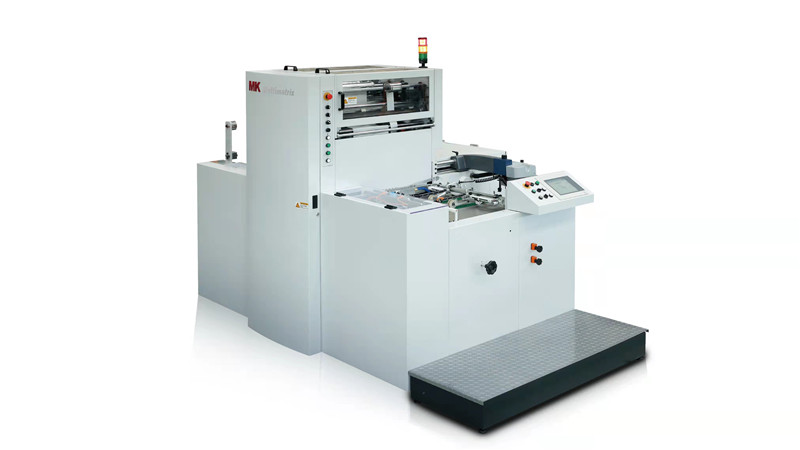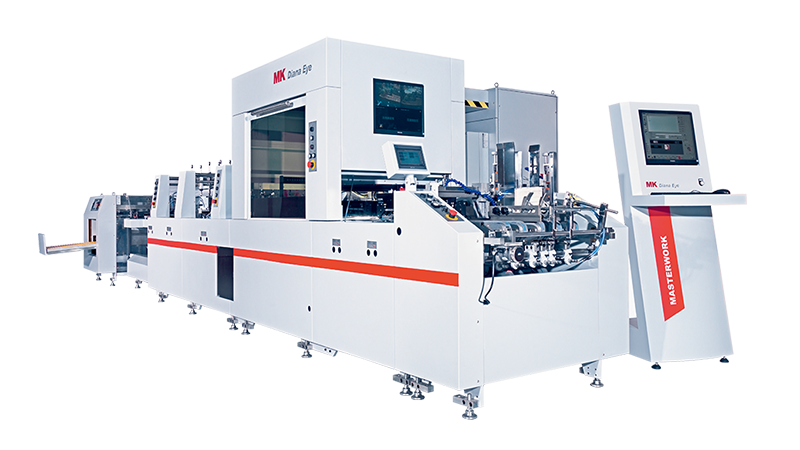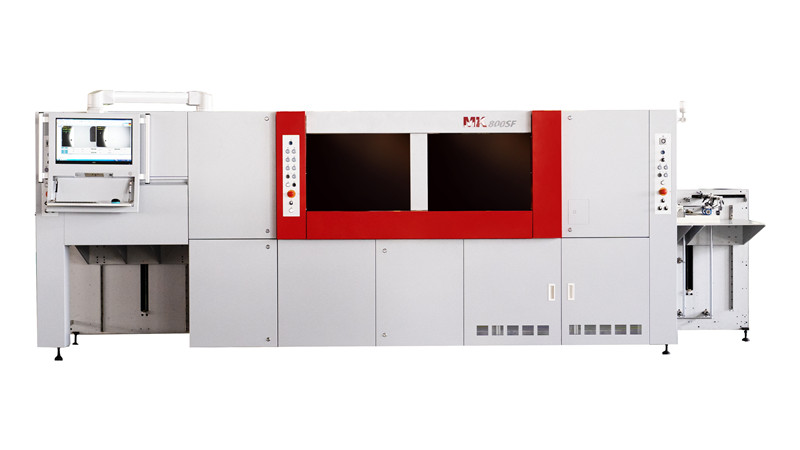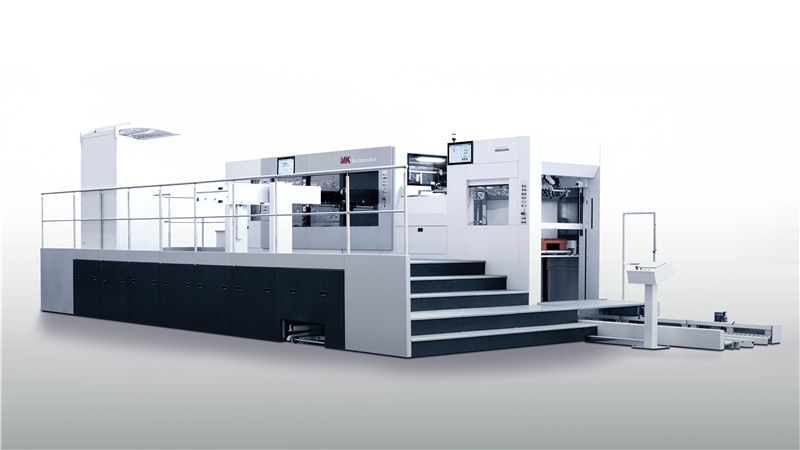
Cardboard is one of the most widely used materials in packaging production, from luxury gift boxes and cosmetic packaging to food cartons and pharmaceutical boxes. With the growing demand for premium packaging designs, hot foil stamping has become an important finishing process for adding logos, patterns, and decorative effects to cardboard products.
However, many packaging manufacturers have a common question before investing in equipment: Can one cardboard stamping machine handle different types of packaging materials?
The answer depends on several factors, including the material structure, surface characteristics, thickness, and machine adjustment capabilities. Understanding material compatibility is essential for achieving consistent stamping quality and avoiding production issues.
Different packaging materials respond differently to heat, pressure, and foil transfer.
During the hot foil stamping process, the machine applies controlled heat and pressure to transfer metallic foil onto the material surface. If the material is too rough, too thick, or has poor heat absorption properties, the stamping result may be affected.
Common quality issues caused by material mismatch include:
Incomplete foil transfer
Uneven stamping appearance
Blurred details or edges
Material deformation
Poor adhesion between foil and surface
Therefore, selecting a cardboard stamping machine with adjustable pressure and temperature control is important when working with various packaging materials.
A suitable cardboard stamping machine can process a wide range of packaging materials. However, each material has different processing characteristics.
| Packaging Material | Common Applications | Key Stamping Considerations |
|---|---|---|
| Coated Paperboard | Cosmetic boxes, food packaging, retail cartons | Smooth surfaces usually provide clear and detailed foil transfer |
| Kraft Paperboard | Eco-friendly packaging, natural product boxes | May require optimized pressure due to textured surfaces |
| Rigid Board | Luxury gift boxes, premium packaging | Requires stable pressure for thicker materials |
| Laminated Cardboard | High-end packaging with protective finishes | Surface coating can affect foil adhesion |
| Corrugated Board | Shipping boxes and industrial packaging | Requires suitable pressure control to avoid crushing |
Cardboard thickness is an important factor affecting stamping performance.
Thin cardboard usually requires precise pressure control to avoid excessive indentation or deformation. On the other hand, thicker boards may require stronger pressure and better heating stability to ensure complete foil transfer.
For manufacturers producing different packaging formats, a machine with adjustable operating parameters provides greater flexibility.
Important factors include:
Adjustable stamping pressure
Stable heating system
Suitable working area
Accurate material positioning
These features allow manufacturers to handle different cardboard structures while maintaining consistent results.
Besides thickness, the surface finish of cardboard also influences stamping performance.
Coated cardboard is commonly used for premium packaging because its smooth surface supports fine details, small text, and complex patterns.
It is suitable for applications such as:
Cosmetic boxes
Electronic product packaging
High-end retail cartons
Materials such as kraft board often have a more uneven surface. While they are popular for sustainable packaging, they may require adjustments in temperature and pressure to achieve uniform foil transfer.
Laminated cardboard provides durability and a premium appearance, but the additional surface layer may affect how foil bonds with the material.
Testing different foil types and adjusting machine settings are important steps when working with laminated packaging.
If your production involves different packaging materials, choosing a flexible machine design is essential.
Key features to consider include:
Different materials require different heat levels. Stable temperature control helps maintain consistent foil transfer across various substrates.
Pressure adjustment allows operators to adapt the machine for different cardboard thicknesses and surface structures.
For packaging designs with detailed logos, text, or decorative patterns, precise positioning ensures consistent results across different materials.
Easy adjustment of stamping parameters helps reduce setup time when switching between different packaging products.
Before using a cardboard stamping machine for large-scale production, manufacturers should conduct material testing.
A practical testing process usually includes:
Selecting the actual packaging material used in production
Testing different temperature and pressure settings
Checking foil adhesion and visual quality
Confirming stamping accuracy and repeatability
Testing helps identify the optimal machine settings and reduces material waste during mass production.
A cardboard stamping machine can handle different packaging materials when the equipment provides sufficient adjustment flexibility and stable performance.
However, there is no universal setting that works for every material. Successful stamping depends on matching the machine capabilities with the specific requirements of each packaging application.
When selecting equipment, manufacturers should consider:
Types of cardboard materials used
Product size and design complexity
Production volume
Required stamping quality
Future packaging requirements
By choosing a machine that supports different materials and offers reliable parameter control, packaging manufacturers can improve production flexibility while maintaining consistent finishing quality.
Products
Contact us
Related Information
Content

We look forward to hearing from you. In order to respond to your message more quickly, we need some information. *These are required