Embossing and debossing are two widely used finishing techniques in packaging printing that create three-dimensional effects on paper and paperboard. While embossing raises a design above the material surface, debossing presses it below the surface. Both techniques can improve the visual appeal and tactile experience of packaging, particularly when combined with an industrial foil stamping machine and other postpress equipment.
From cosmetics and luxury goods to pharmaceutical and food packaging, understanding the differences between embossing and debossing helps packaging manufacturers choose suitable finishing processes, tooling and production equipment.
Embossing is a finishing process that creates a raised design on the surface of a material through controlled pressure and specially manufactured dies.
During production, the paperboard is generally positioned between a male die and a corresponding female counter-die. When pressure is applied, the material is formed into the desired shape, producing a raised image, pattern, logo or text.
Embossing creates depth without necessarily adding ink or decorative materials. It is particularly effective when packaging designers want consumers to notice and feel specific design elements.
Common applications include:
Raised brand logos on cosmetic cartons.
Decorative patterns on luxury gift boxes.
Textured details on wine and spirits packaging.
Raised lettering on premium printed products.
Three-dimensional patterns on presentation folders.
Embossing can be performed independently or combined with printing and hot foil stamping to create more elaborate decorative effects.
Debossing creates a recessed impression below the surface of paper or paperboard. Rather than raising the design, the tooling presses the selected area inward to produce a depressed pattern.
The result is generally more understated than embossing. Light and shadow within the recessed area create depth, allowing the design to remain visible even without additional ink or foil.
Debossing is commonly used for minimalist packaging, premium stationery, presentation materials and luxury products where subtle decoration is preferred over prominent raised graphics.
The depth and clarity of the recessed design depend on the material thickness, tooling geometry, pressure distribution and compressibility of the substrate.
Although both processes use pressure to create surface relief, their visual effects, material requirements and tooling considerations differ.
Feature | Embossing | Debossing |
|---|---|---|
Surface effect | Raised design | Recessed design |
Visual appearance | Prominent and three-dimensional | Subtle and refined |
Tactile effect | Raised texture | Depressed texture |
Tooling | Typically matched male and female dies | Debossing die with suitable support or counter-die |
Material considerations | Requires sufficient formability | Requires suitable compressibility and surface strength |
Common applications | Luxury cartons, logos and decorative graphics | Minimalist packaging, stationery and premium boxes |
Foil stamping compatibility | Can be combined with hot foil stamping | Can also be combined with foil using suitable tooling |
Neither technique is inherently better than the other. The appropriate choice depends on packaging design, substrate characteristics, expected visual effects and production requirements.
For manufacturers unfamiliar with finishing terminology, understanding the different processes covered in the hot stamping machine industry glossary can help improve communication with equipment suppliers and tooling manufacturers.
The quality of an embossed or debossed design depends heavily on how the material responds to pressure.
Paperboard thickness alone does not determine whether a material is suitable. Fiber structure, coating flexibility, moisture content and surface treatments can all influence the final result.
Paperboard is widely used for embossed and debossed folding cartons because many grades offer a suitable combination of stiffness and formability.
However, coated paperboard may develop surface cracking when the relief is too deep or the tooling edges are too sharp. Manufacturers should evaluate the actual printed and coated material rather than relying only on the specifications of unprinted board.
Textured papers, metallic papers and specialty decorative substrates can produce distinctive finishing effects.
Their surface characteristics may also affect the visibility of fine details. A heavily textured surface, for example, may require adjustments to the design or tooling to produce a clearly defined impression.
Laminated paperboard and coated packaging materials require careful evaluation because their surface layers may respond differently from the underlying board.
Excessive forming pressure or unsuitable die geometry can cause cracking, delamination or visible deformation.
Testing representative production samples is therefore important before approving the tooling and starting large-volume production.
Yes. Embossing and debossing can both be combined with hot foil stamping when the substrate, foil, tooling and machine configuration are suitable.
Hot foil stamping transfers a decorative foil onto the material surface, while embossing or debossing changes the physical shape of that surface.
Combining these processes allows packaging manufacturers to create metallic graphics with raised or recessed details.
For example, a cosmetic carton may feature a raised gold logo, while a luxury gift box may use recessed metallic lettering to create a more restrained appearance.
Foil stamping and embossing can be completed in separate operations or through suitable combination tooling. The best approach depends on the complexity of the design, registration requirements, material characteristics and available equipment.
Compared with other decorative processes, hot foil stamping is particularly suitable for packaging applications that require metallic decoration combined with surface relief.
Achieving consistent finishing quality across thousands of printed sheets requires more than increasing machine pressure.
Tooling determines the shape, depth and definition of the finished impression.
Sharp transitions, narrow details and excessive relief depth may increase the risk of material damage. Tooling should be designed according to the actual paperboard grade, surface coating and graphic requirements.
Uneven pressure can result in partially formed graphics, inconsistent impression depth or visible marks in surrounding areas.
The tooling should be properly installed and supported, with pressure adjusted according to the approved production sample.
When embossing is combined with printed graphics or metallic foil, registration accuracy becomes especially important.
Even a small positioning error may create visible outlines or misaligned decorative elements. Stable sheet feeding, effective alignment and consistent tooling positioning help maintain registration throughout production.
Variations in paperboard thickness, moisture content and surface treatment can affect the forming process.
Manufacturers should establish repeatable production settings for each substrate and periodically inspect finished samples during long production runs.
Packaging manufacturers should select equipment according to production volume, sheet format, finishing complexity and the number of processing operations required.
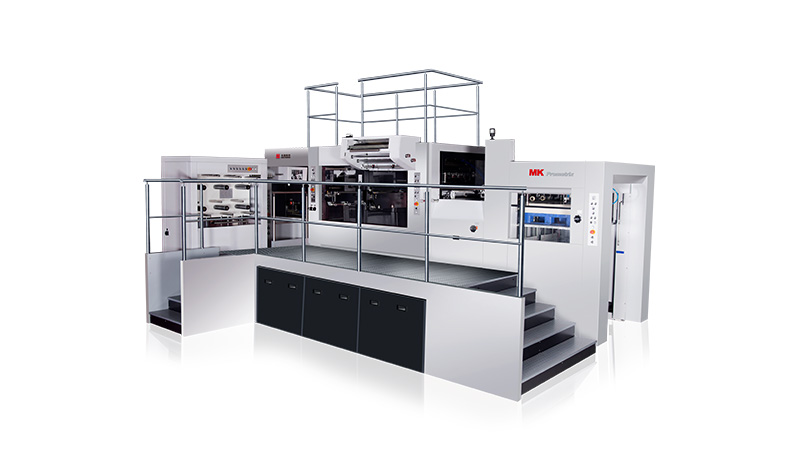
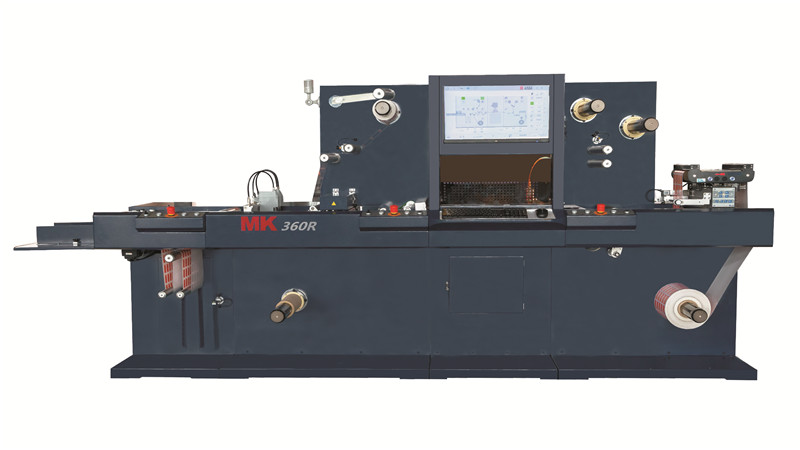
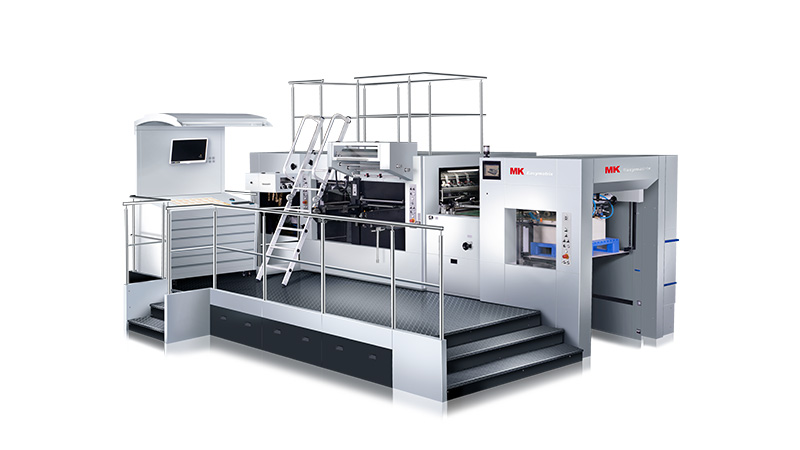
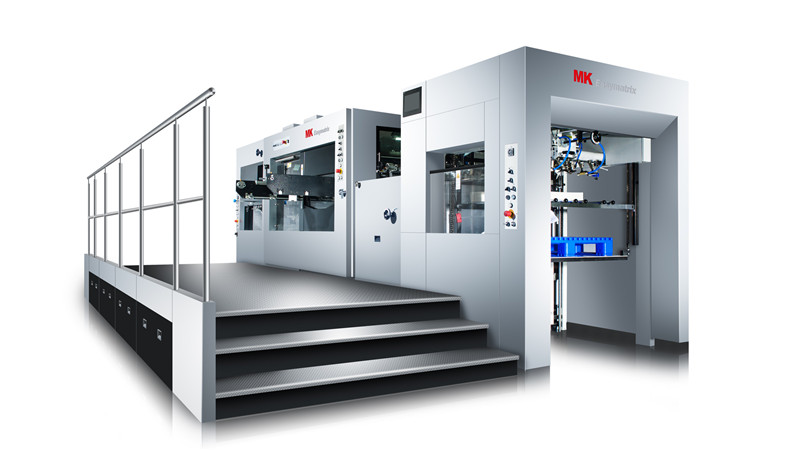
MK Masterwork offers different machine configurations for industrial printing and packaging applications.
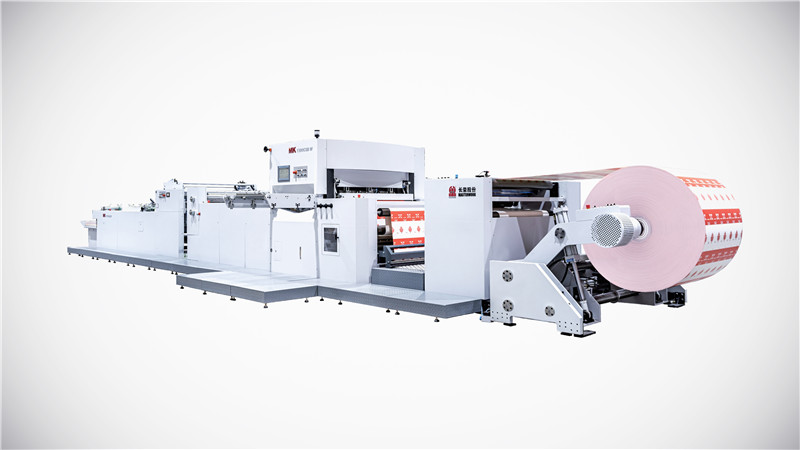
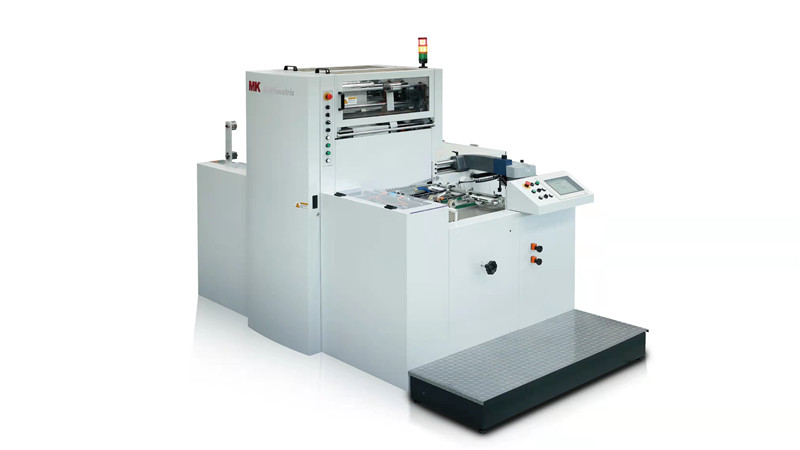
The Multimatrix 60FC is a small-format die-cutting and hot foil stamping machine designed for applications such as folding cartons, presentation folders and short-to-medium production runs.
Its maximum sheet format of 450 × 600 mm makes it suitable for manufacturers handling smaller packaging formats that require flexible finishing capabilities, including hot foil stamping and embossing.
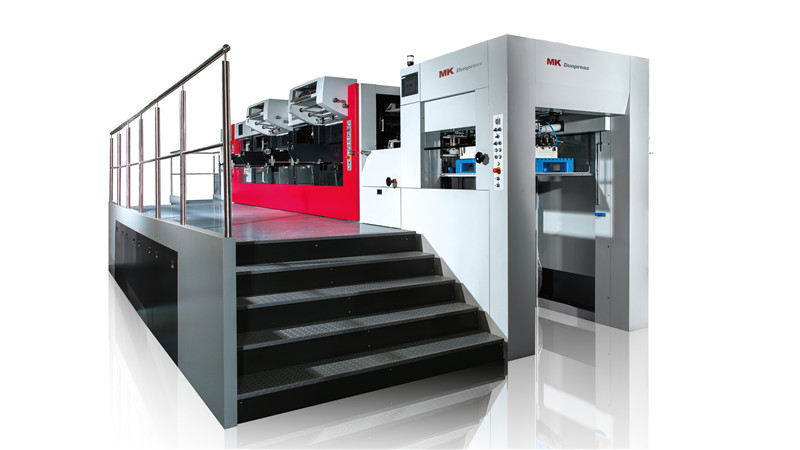
For more complex packaging production, the Duopress 106FCSB integrates multiple finishing operations, including foil stamping, embossing, die cutting, stripping and blanking.
This configuration is suitable for packaging manufacturers looking to reduce intermediate material handling and coordinate multiple finishing processes within a single production workflow.
Its suitability for specific embossed or debossed designs should be evaluated according to tooling, substrates and production requirements.
Embossing is generally a suitable choice when a design needs a prominent, raised appearance, while debossing is preferred when a subtle, recessed effect better matches the packaging concept.
Both techniques can add value to printed packaging, especially when combined with suitable foil decoration and precise postpress processing.
As a printing and packaging equipment manufacturer, MK Masterwork provides technical consultation and application support to help customers evaluate material characteristics, finishing requirements and machine configurations for their packaging production.
Products
Contact us
Related Information
Content

We look forward to hearing from you. In order to respond to your message more quickly, we need some information. *These are required