Reducing foil waste in hot foil stamping production requires optimizing graphic layouts, selecting suitable foil widths, controlling foil feeding distances and minimizing production defects. An industrial hot foil stamping machine with programmable foil advancement can also help manufacturers improve material utilization and reduce production costs.
For packaging manufacturers producing cosmetic cartons, luxury boxes and other premium printed products, improving foil utilization is an effective way to control consumable costs without compromising finishing quality.
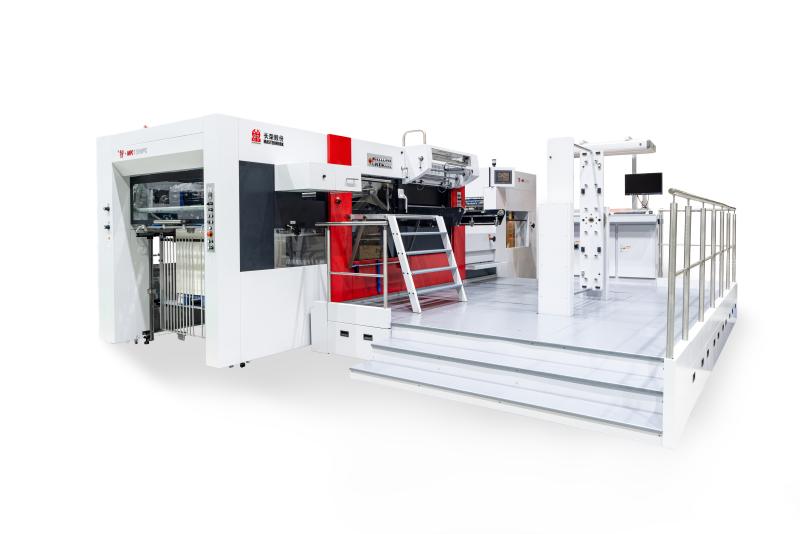
During hot foil stamping, only selected areas of the decorative foil are transferred onto the substrate. Unused foil remaining on the carrier film contributes to material waste.
Although some waste is unavoidable, excessive foil consumption is often associated with the following factors:
| Cause | Improvement Method |
|---|---|
| Inefficient graphic layout | Optimize the arrangement of stamping areas |
| Excessive foil width | Select suitable foil reel dimensions |
| Excessive feeding distance | Optimize foil advancement steps |
| Repeated machine adjustments | Standardize and save production settings |
| Incomplete foil transfer | Optimize temperature, pressure and foil compatibility |
| Inaccurate registration | Improve sheet positioning and alignment |
Identifying the main sources of waste allows manufacturers to make targeted improvements.
Foil consumption is directly influenced by the arrangement of logos, text and decorative patterns on the printed sheet.
Where packaging design allows, manufacturers can arrange stamping areas along common foil feeding paths and reduce unnecessary gaps between graphics. This allows more impressions to be produced using the same length of foil.
Layout optimization should begin during prepress and tooling design without compromising printing registration, paperboard grain direction or downstream die cutting requirements.
Using wider foil reels than necessary increases unused material on both sides of the stamped graphics.
For example, if a stamping area is 70 mm wide, using a 120 mm foil reel may create unnecessary material waste. Manufacturers should select a reel width that covers the stamping area while allowing sufficient margins for stable feeding.
For designs containing several separate stamping areas, multiple narrow foil reels may provide better material utilization if the machine supports independent foil feeding.
Choosing compatible foil stamping materials is equally important for reducing incomplete transfer and rejected sheets.
The foil feeding step determines how far the foil advances between stamping impressions. Excessive advancement leaves unused material between impressions, while insufficient advancement may cause overlapping and incomplete transfer.
Programmable foil feeding systems allow operators to adjust advancement according to graphic dimensions and layout requirements.
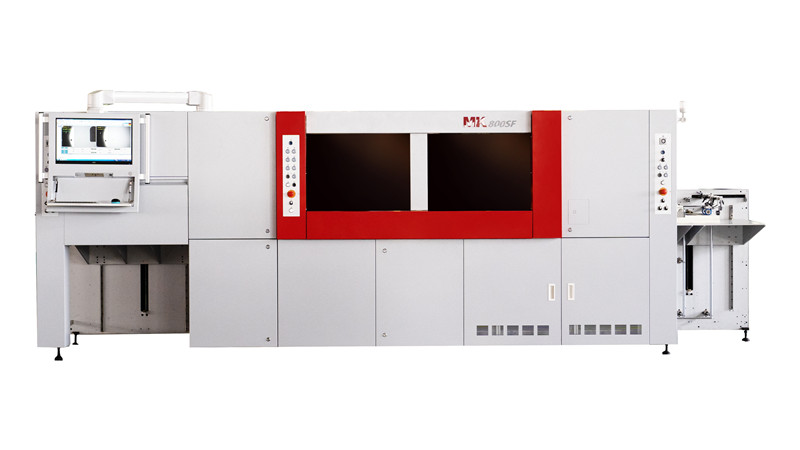
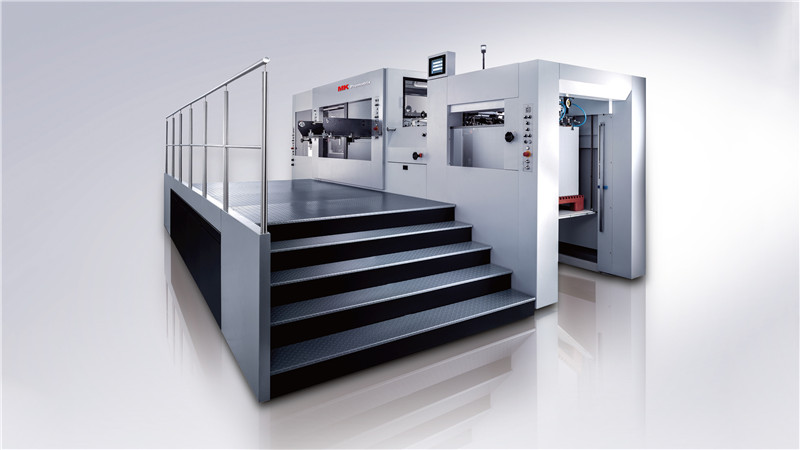
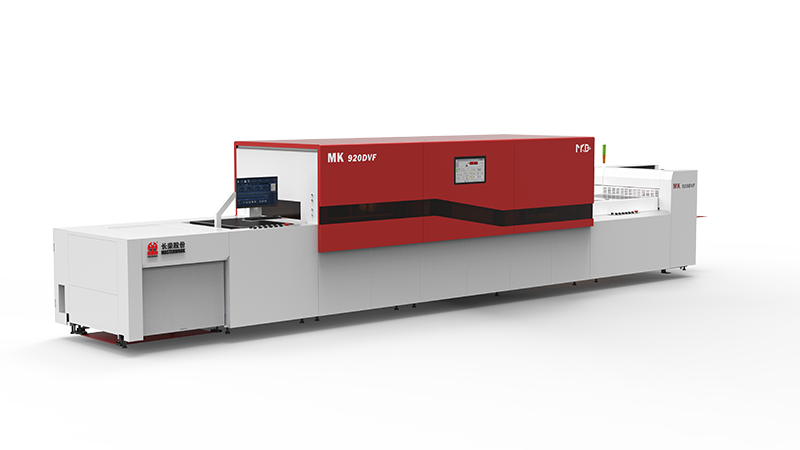
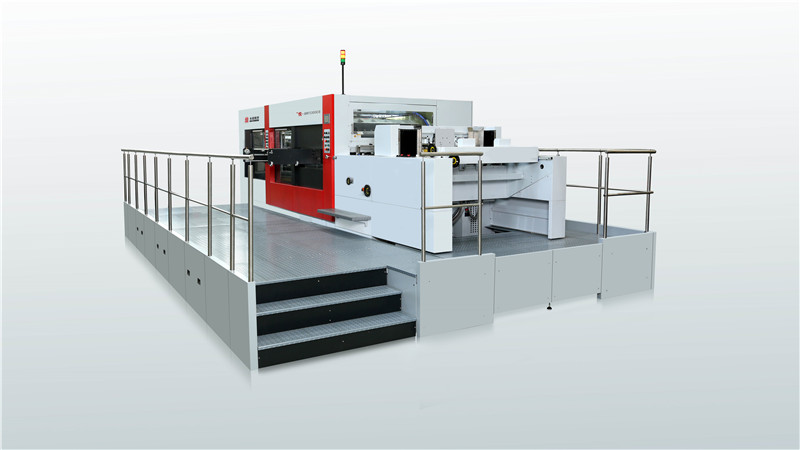
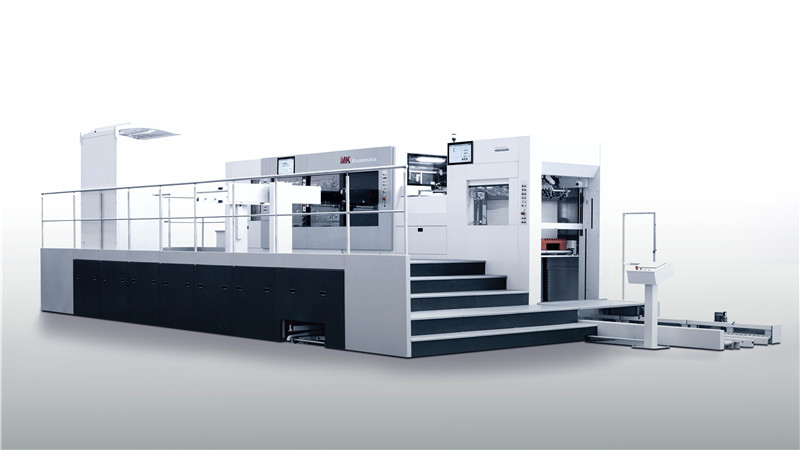
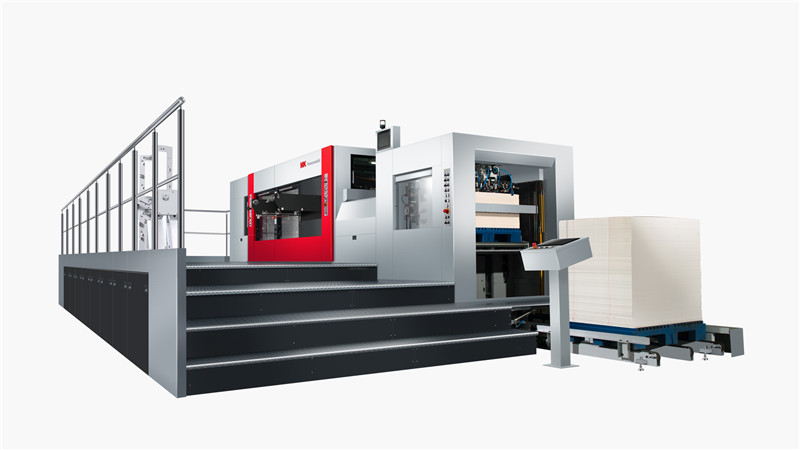
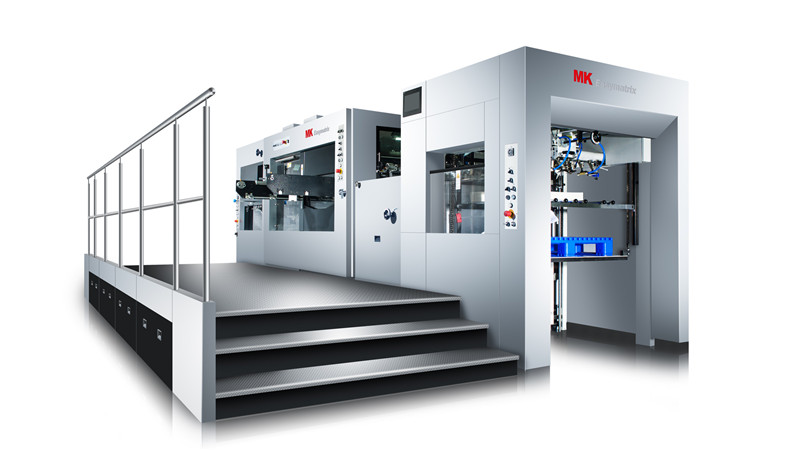
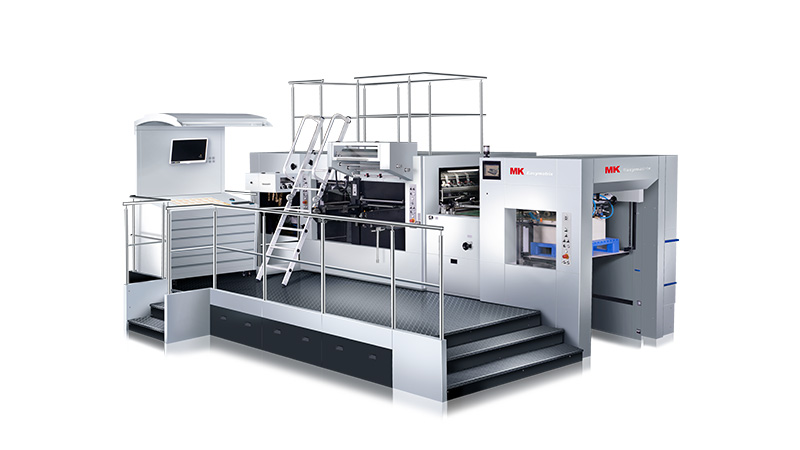
The MK Masterwork Duopress 106FCSB, for example, supports longitudinal and transversal foil guidance and features a foil advancement program designed to improve foil utilization.
Repeated adjustments during machine setup consume both stamping foil and printed paperboard.
For recurring orders, manufacturers should record approved production settings, including:
Foil type and reel width.
Foil feeding direction and advancement steps.
Stamping temperature and pressure.
Tooling position and registration settings.
Approved production speed.
Reusing validated settings can reduce trial runs and help operators achieve acceptable production quality with fewer adjustments.
Incomplete foil transfer, uneven coverage and inaccurate registration can result in rejected sheets, wasting both foil and previously processed materials.
Manufacturers should establish suitable temperature, pressure and speed settings according to the substrate, foil characteristics and tooling requirements.
Regular quality inspections during production also help identify defects early and prevent unnecessary material consumption.
For a single foil reel with a constant feeding step and one advancement per processed sheet, foil consumption can be estimated using the following formula:
Foil Consumption (m²) = Foil Width (m) × Feeding Step (m) × Number of Sheets
The following example demonstrates how optimizing foil width and feeding distance can reduce material consumption.
| Production Parameter | Before Optimization | After Optimization |
|---|---|---|
| Processed sheets | 20,000 | 20,000 |
| Foil width | 120 mm | 100 mm |
| Feeding step | 100 mm | 85 mm |
| Foil consumption | 240 m² | 170 m² |
| Material savings | — | 70 m² |
| Consumption reduction | — | 29.2% |
In this illustrative example, optimizing foil width and feeding distance reduces theoretical foil consumption by approximately 29.2%.
Actual savings depend on graphic layouts, machine configurations, setup waste and production conditions. For multiple foil reels, manufacturers should calculate and add the consumption of each reel.
Modern industrial hot foil stamping machines can improve material utilization through precise foil feeding, programmable advancement and repeatable production settings.
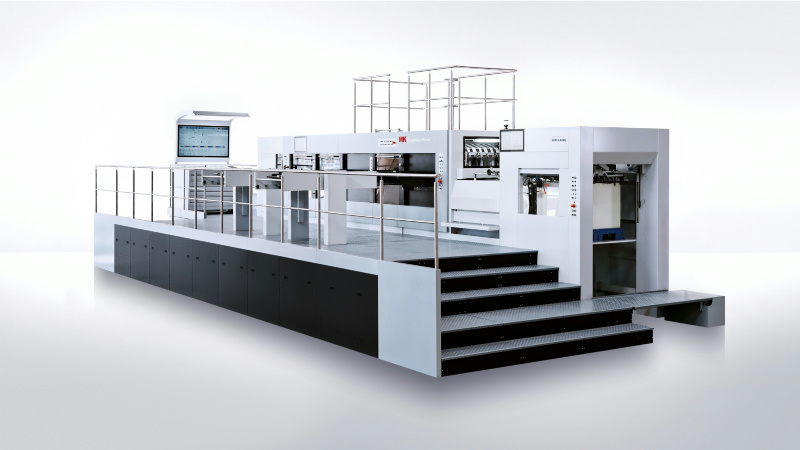
The MK Masterwork Promatrix 106FC features a hot foil computer system supporting foil feeding step calculation, feeding simulation and job data storage.
Its three longitudinal and two transversal foil feeding shafts provide flexibility for different stamping layouts, helping manufacturers optimize foil consumption across various packaging applications.
When selecting a hot foil stamping machine, manufacturers should consider foil feeding flexibility, registration accuracy, job preparation efficiency and material utilization alongside production speed.
By combining suitable equipment with optimized layouts and stable production settings, packaging manufacturers can reduce foil waste, improve production efficiency and maintain consistent finishing quality.
Looking to reduce foil waste and improve your packaging production efficiency? Contact MK Masterwork today for professional technical advice, customized equipment recommendations and a hot foil stamping machine quotation.
Products
Contact us
Related Information
Content

We look forward to hearing from you. In order to respond to your message more quickly, we need some information. *These are required